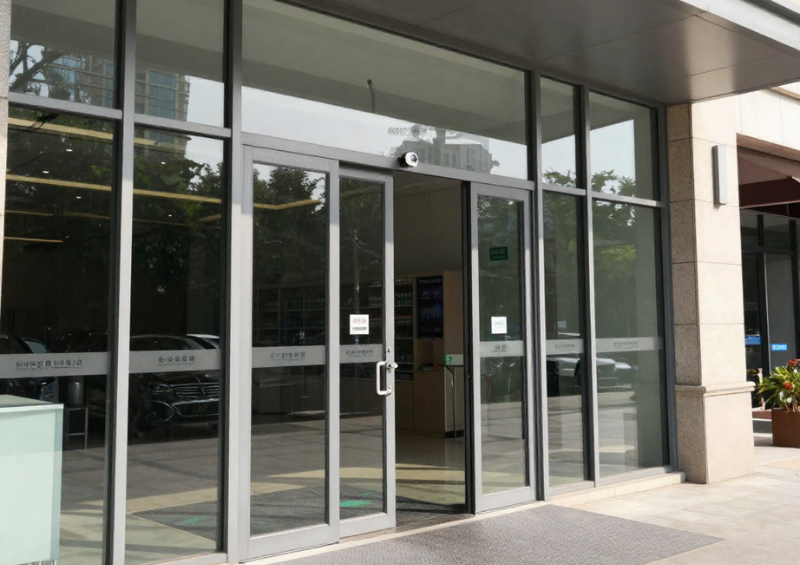
Automatic doors are designed to improve accessibility, convenience, and safety across residential, commercial, and healthcare environments. In hot climates, however, these systems face an additional challenge that is often underestimated: motor overheating. Prolonged exposure to high ambient temperatures, combined with frequent use, can significantly reduce the lifespan and reliability of an automatic swing door opener if it is not selected, installed, and maintained correctly.
This buyer’s guide explains why overheating happens, how it affects performance, and—most importantly—how to prevent automatic door motor overheating in hot climates. Whether you are a homeowner, facility manager, installer, or building designer, this guide will help you make informed decisions that protect your investment and ensure long-term, reliable operation.
Why automatic door motor overheating is a serious issue
Motor overheating is not just a performance inconvenience—it can lead to permanent damage.
When an automatic swing door opener overheats, common consequences include:
-
Reduced opening and closing speed
-
Intermittent operation or shutdowns
-
Premature motor wear
-
Electronic component failure
-
Increased maintenance and replacement costs
In extreme cases, overheating can cause complete system failure, disrupting access in critical environments such as clinics, aged care facilities, or emergency exits.

Why hot climates increase overheating risk
Hot climates create a harsher operating environment for automatic doors.
Key contributing factors include:
-
High ambient air temperatures
-
Direct sunlight on door hardware
-
Heat buildup in enclosed door headers
-
Increased door usage due to high foot traffic
An automatic swing door opener that performs well in mild climates may struggle when installed in consistently hot conditions without additional precautions.
Understanding how an automatic swing door opener motor works
To prevent overheating, it helps to understand how the motor operates.
An automatic swing door opener typically includes:
-
An electric motor
-
Gearbox or drive mechanism
-
Control electronics
-
Power supply and sensors
Each opening and closing cycle generates heat. In hot environments, the motor has less opportunity to dissipate this heat, especially if airflow is limited.
Common causes of motor overheating in automatic swing door openers
Overheating is rarely caused by temperature alone. It usually results from a combination of factors.
High door weight or resistance
If the door is heavier than the opener is rated for, the motor must work harder, generating excess heat.
Incorrect installation
Poor alignment, tight hinges, or friction in the door mechanism forces the motor to draw more current.
Excessive usage cycles
Doors that operate constantly—such as in shopping centres or clinics—generate continuous heat.
Inadequate ventilation
Enclosed headers or mounting locations trap heat around the motor.
Incorrect power supply
Voltage instability or incorrect power input can stress the motor and electronics.
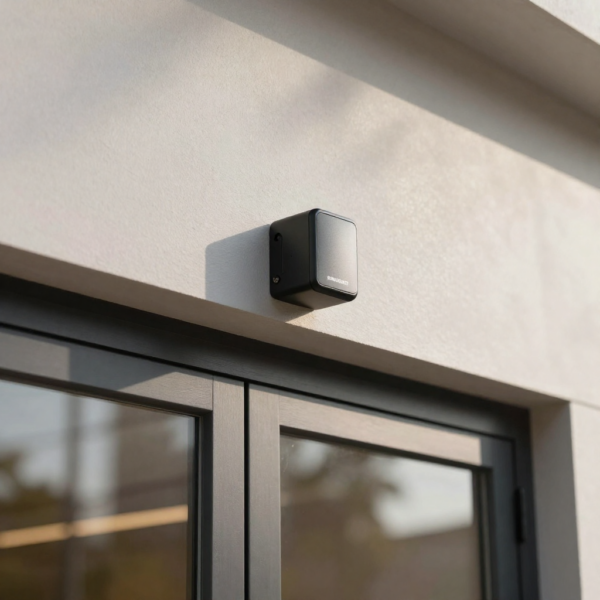
Choosing the right automatic swing door opener for hot climates
Prevention starts with product selection.
When choosing an automatic swing door opener for hot climates, consider:
-
Motor duty cycle rating
-
Maximum ambient temperature rating
-
Thermal protection features
-
Manufacturer recommendations for climate conditions
A unit designed for light residential use may not survive in a hot, high-traffic commercial setting.
Duty cycle and why it matters
The duty cycle defines how often a motor can operate without overheating.
In hot climates, a high-duty-cycle automatic swing door opener is essential. These models are designed to:
-
Run continuously without overheating
-
Distribute heat more efficiently
-
Handle peak traffic periods
Choosing a low-duty-cycle opener for a high-use environment is one of the most common causes of overheating.
Importance of proper door weight and balance
A well-balanced door dramatically reduces motor strain.
Ensure that:
-
The door weight is within the manufacturer’s specifications
-
Hinges move freely without resistance
-
Door closers or springs are adjusted correctly
Even small increases in resistance can significantly increase motor temperature over time.
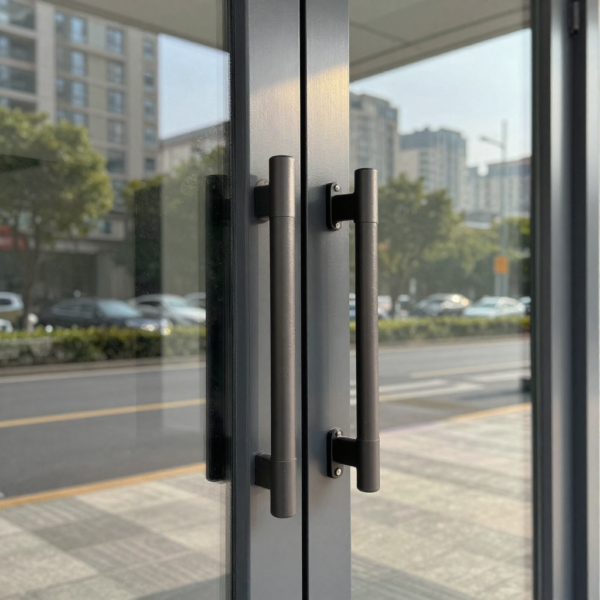
Installation best practices to reduce heat buildup
Correct installation is just as important as product selection.
Key installation practices include:
-
Accurate door alignment
-
Proper hinge lubrication
-
Correct arm geometry and angles
-
Secure mounting to prevent vibration
A poorly installed automatic swing door opener will overwork its motor regardless of climate.
Ventilation and airflow considerations
Heat dissipation is critical in hot climates.
To reduce overheating risk:
-
Avoid fully sealed enclosures around the motor
-
Allow airflow around the header unit
-
Use ventilated covers where possible
In some cases, relocating the opener slightly to improve airflow can significantly reduce operating temperature.
Protecting the opener from direct sunlight
Direct sunlight can raise surface temperatures far beyond ambient air temperature.
Prevention strategies include:
-
Installing the opener on shaded sides of the building
-
Using sun shields or protective covers
-
Avoiding dark-coloured housings that absorb heat
These small design choices can make a measurable difference in motor longevity.
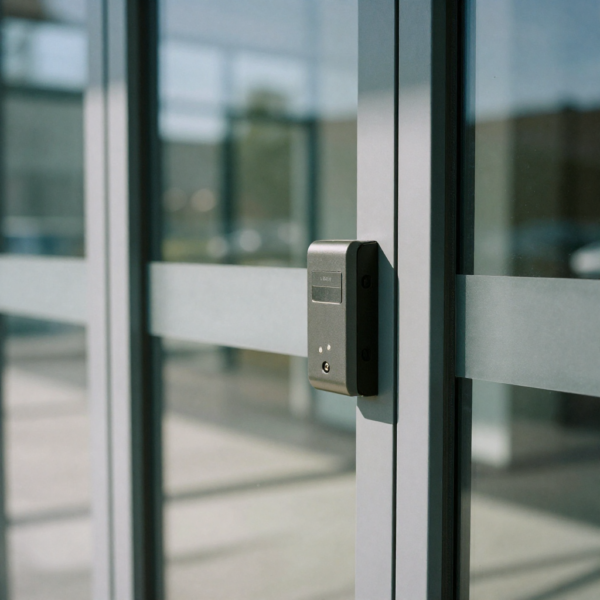
Managing opening speed and force settings
Faster opening speeds require more power and generate more heat.
In hot climates:
-
Avoid setting the maximum speed unless necessary
-
Adjust force settings to the minimum required for smooth operation
-
Use soft-start and soft-stop features if available
These adjustments reduce peak motor load and heat generation.
Reducing unnecessary door cycles
Every door movement generates heat.
Strategies to reduce cycles include:
-
Adjusting sensor sensitivity to avoid false triggers
-
Using activation buttons instead of motion sensors in low-traffic areas
-
Implementing hold-open timers strategically
Fewer cycles mean less cumulative heat buildup.
Using smart control features to manage load
Modern automatic swing door openers often include smart control features.
These may allow:
-
Scheduled operation times
-
Reduced operation during peak heat hours
-
Integration with building management systems
Smart control helps balance accessibility needs with motor protection.
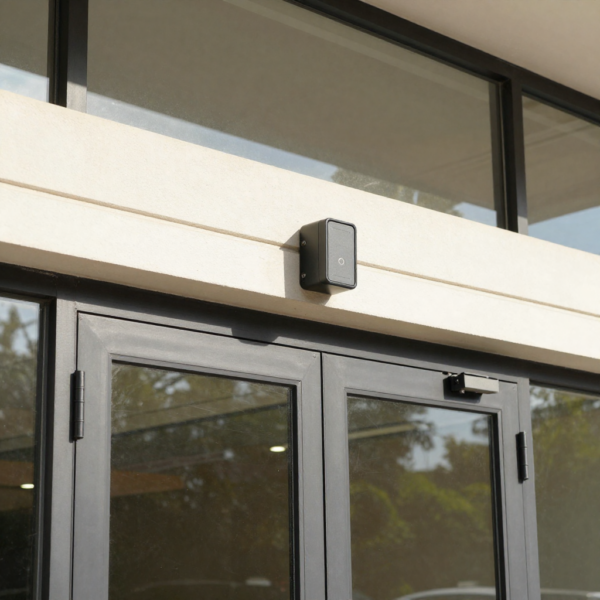
Importance of regular maintenance in hot climates
Maintenance becomes even more critical in high-temperature environments.
Regular checks should include:
-
Inspecting hinges and pivots
-
Checking for unusual motor noise
-
Cleaning ventilation openings
-
Verifying sensor alignment
Preventive maintenance reduces friction, lowers motor load, and improves heat management.
Recognising early warning signs of overheating
Catching problems early prevents major failures.
Common warning signs include:
-
Slower door response
-
Intermittent shutdowns
-
Error codes or fault lights
-
Warm or hot housing surfaces
If these signs appear, the system should be inspected immediately.
Thermal protection features to look for
Many modern automatic swing door openers include built-in thermal protection.
Useful features include:
-
Automatic shutdown on over-temperature
-
Temperature sensors within the motor
-
Fault alerts or diagnostic indicators
While shutdowns can be inconvenient, they prevent permanent damage.
Power supply stability and heat management
Electrical issues can worsen overheating.
Ensure that:
-
Power supply voltage matches specifications
-
Wiring is correctly sized
-
Surge protection is installed
Stable power reduces unnecessary motor strain and heat.
Indoor vs outdoor installation considerations
Outdoor or semi-outdoor installations face higher heat exposure.
For these environments:
-
Choose openers rated for outdoor use
-
Protect against weather and direct sun
-
Ensure adequate ventilation
An automatic swing door opener designed for indoor use may fail quickly outdoors in hot climates.
Applications where overheating risk is highest
Certain environments are more demanding than others.
High-risk applications include:
-
Hospitals and clinics
-
Aged care facilities
-
Retail entrances
-
Public buildings in hot regions
These sites require commercial-grade openers with robust heat management.
Cost vs longevity: making the right investment
Cheaper openers often lack the thermal capacity for hot climates.
While higher-quality units may cost more upfront, they:
-
Last longer
-
Require fewer repairs
-
Reduce downtime
Over time, the total cost of ownership is usually lower.
Working with experienced installers
An experienced installer understands climate-specific challenges.
They can:
-
Recommend appropriate models
-
Optimise installation for airflow
-
Adjust settings to reduce heat load
Professional installation is a key factor in preventing overheating.
Compliance and safety considerations
Automatic doors must meet safety and accessibility standards.
Overheating can compromise:
-
Emergency exit reliability
-
Accessibility compliance
-
Fire safety requirements
Choosing the right automatic swing door opener helps maintain compliance even in harsh conditions.
Future-proofing for climate extremes
Climate conditions are becoming more extreme in many regions.
Future-proofing strategies include:
-
Selecting openers with higher temperature tolerance
-
Designing for ventilation and shading
-
Planning for increased usage over time
A future-ready installation avoids repeated upgrades.
Who should prioritise overheating prevention
This guide is especially relevant for:
-
Building owners in hot regions
-
Facility managers
-
Architects and designers
-
Installers and integrators
Understanding overheating prevention helps protect both people and infrastructure.
Common mistakes to avoid
Avoid these frequent errors:
-
Underrating door weight and usage
-
Ignoring ventilation requirements
-
Using residential openers in commercial settings
-
Skipping regular maintenance
Each mistake increases overheating risk.
Final thoughts
Preventing motor overheating in hot climates is not about a single solution—it’s about choosing the right automatic swing door opener, installing it correctly, and maintaining it properly.
By considering duty cycle, ventilation, door balance, usage patterns, and environmental exposure, you can dramatically extend the lifespan of your automatic door system. In demanding climates, these precautions are not optional—they are essential.
A well-selected and properly managed automatic swing door opener delivers reliable performance, protects accessibility, and ensures smooth operation even under extreme heat conditions.
Choose Automatic Swing Door Openers engineered for continuous operation