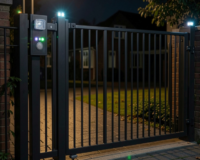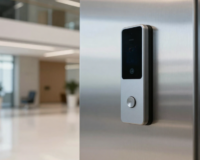
As security systems become smarter and more interconnected, the way alarms are designed and deployed has changed significantly. Modern properties—whether residential estates, commercial facilities, or mixed-use buildings—are no longer protected by a single alarm zone and one basic siren. Instead, they rely on multi-zone alarm systems that can detect, isolate, and respond to threats across different areas independently.
Within these systems, Z-Wave sirens play a crucial role. They provide audible and visual alerts, integrate seamlessly with smart home platforms, and allow flexible, zone-based alarm strategies. Among the available options, the Vision Z-Wave Outdoor Siren has become a popular choice for users who need reliable, weather-resistant, and automation-ready alerting.
This buyer’s guide explains how Z-Wave sirens work in multi-zone alarm systems, why zoning matters, and how to use the Vision Z-Wave Outdoor Siren effectively to improve security, responsiveness, and system reliability.
Understanding Multi-Zone Alarm Systems
A multi-zone alarm system divides a property into multiple, independently monitored areas, known as zones. Each zone may represent a room, floor, perimeter area, or specific risk location.
Instead of triggering a single global alarm, a multi-zone system allows:
-
Precise identification of where an event occurred
-
Different responses for different zones
-
Reduced false alarms
-
More intelligent automation workflows
For example, a motion trigger in a garage zone may activate an outdoor siren, while a sensor in a bedroom zone may trigger a quieter alert or notification during nighttime hours.
This is where smart sirens, especially Z-Wave–based devices, become essential.
What Is a Z-Wave Siren?
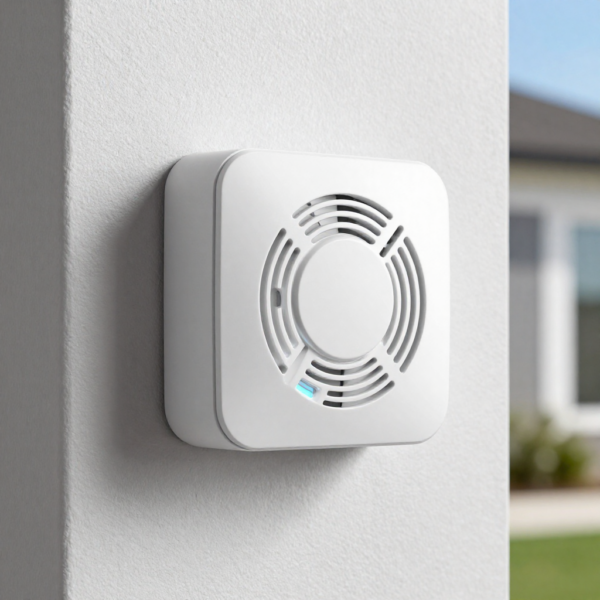
A Z-Wave siren is a wireless alarm device that communicates using the Z-Wave protocol. Unlike traditional wired sirens, Z-Wave sirens integrate directly with smart hubs, alarm panels, and automation platforms.
Z-Wave sirens can be triggered by:
-
Motion sensors
-
Door and window sensors
-
Smoke or water leak sensors
-
Automation rules or scenes
They often support features such as adjustable volume, flashing LED lights, tamper alerts, and battery backup.
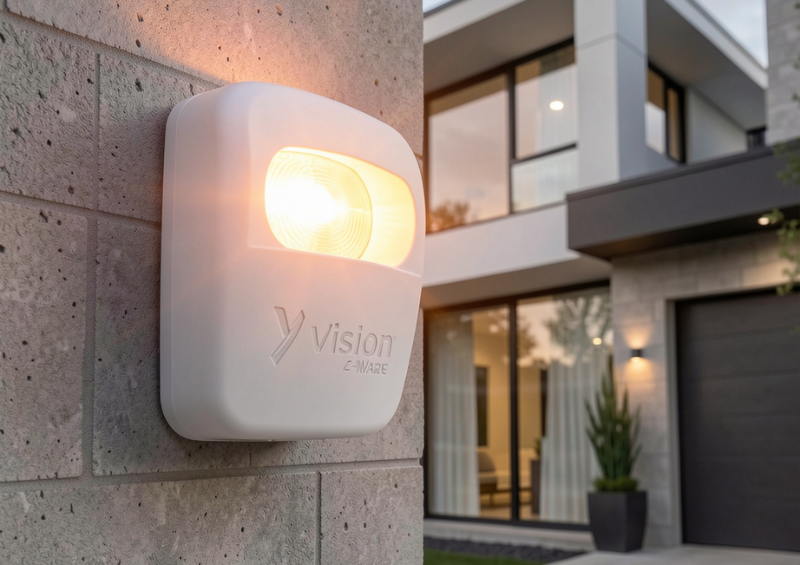
The Vision Z-Wave Outdoor Siren is designed specifically for outdoor use, making it ideal for perimeter alerts, deterrence, and zone-based alarm strategies.
Introducing the Vision Z-Wave Outdoor Siren
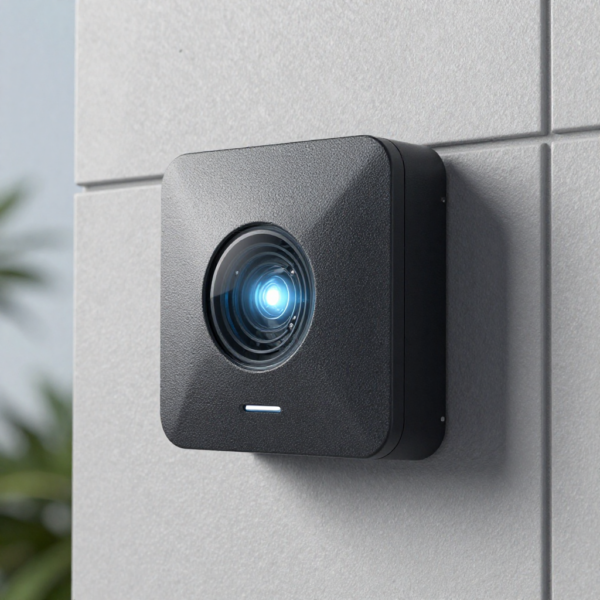
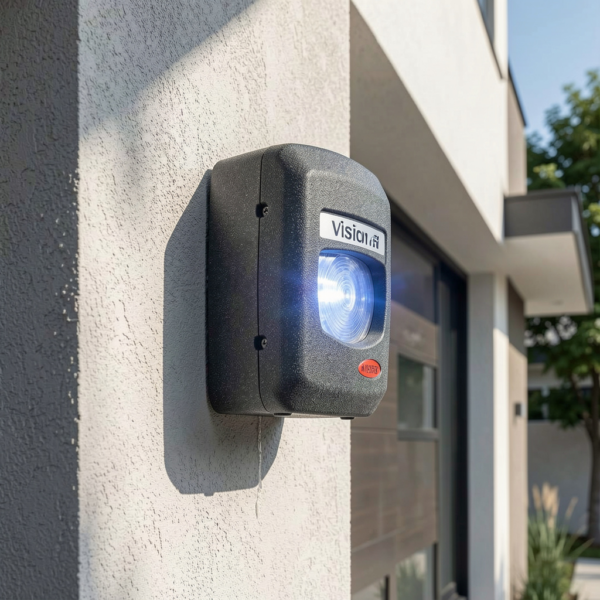
The Vision Z-Wave Outdoor Siren is a weather-resistant, wireless siren designed to integrate with Z-Wave alarm and automation systems. It is commonly used in residential and light commercial security setups where external audible alerts are required.
Key characteristics of the Vision Z-Wave Outdoor Siren include:
-
Z-Wave compatibility for smart system integration
-
Loud audible alarm for deterrence
-
Visual LED strobe for added visibility
-
Outdoor-rated enclosure
-
Battery-powered operation with low maintenance
These features make it particularly suitable for multi-zone alarm systems that require targeted outdoor alerts.
Why Use Z-Wave Sirens in Multi-Zone Alarm Systems?
Zone-Specific Alerting
In a multi-zone alarm system, not every event requires the same response. Z-Wave sirens allow users to assign specific sirens to specific zones.
For example:
-
Perimeter breach → Vision Z-Wave Outdoor Siren activates
-
Indoor motion after hours → Indoor siren only
-
Fire or emergency → All sirens activate
This level of control improves security effectiveness and reduces unnecessary disturbance.
Wireless Flexibility
Z-Wave sirens eliminate the need for extensive wiring. This is especially valuable in large properties or retrofitted buildings where running cables is impractical.
The Vision Z-Wave Outdoor Siren can be placed exactly where it is most effective, such as near entrances, gates, or external walls.
Integration With Smart Automation
Z-Wave sirens are not limited to simple on/off alarms. They can be integrated into complex automation rules.
For example:
-
Activate siren only if alarm is armed
-
Trigger siren after confirmation from multiple sensors
-
Flash LED without sound for warning scenarios
The Vision Z-Wave Outdoor Siren supports these advanced use cases when paired with a compatible hub.
How Multi-Zone Alarm Logic Works With Z-Wave Sirens
In a multi-zone system, sensors report events to a central controller or smart hub. The system then evaluates which zone is affected and applies predefined rules.
Z-Wave sirens, including the Vision Z-Wave Outdoor Siren, act as output devices in this logic chain.
A typical flow looks like this:
-
Sensor detects an event
-
Hub identifies the zone
-
Automation rules are evaluated
-
Assigned siren(s) are triggered
This architecture allows highly targeted and intelligent alarm responses.
Outdoor Sirens vs Indoor Sirens in Zone Design
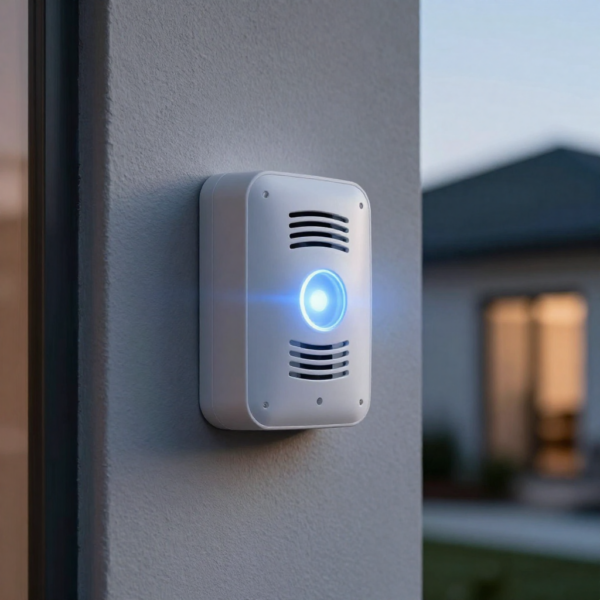
Outdoor sirens serve a different purpose than indoor sirens.
Indoor sirens are primarily designed to alert occupants. Outdoor sirens are designed to:
-
Deter intruders
-
Alert neighbors or security personnel
-
Signal that the property is protected
The Vision Z-Wave Outdoor Siren excels in this role by combining loud sound output with visual alerts.
In multi-zone systems, outdoor sirens are typically linked to perimeter zones such as gates, fences, driveways, or external doors.
Key Benefits of the Vision Z-Wave Outdoor Siren in Zoned Systems
Strong Deterrence
A loud, outdoor siren significantly increases the deterrent effect of an alarm system. Intruders are more likely to flee when an external siren activates.
Weather-Resistant Reliability
Because it is designed for outdoor use, the Vision Z-Wave Outdoor Siren can operate reliably in rain, heat, and varying environmental conditions—critical for perimeter zones.
Easy System Expansion
As Z-Wave devices, Vision sirens can be added to existing networks without major system changes. This makes them ideal for expanding multi-zone alarm systems over time.
Customisable Automation
Users can configure how and when the siren activates, tailoring behavior to different zones and scenarios.
Common Use Cases for Vision Z-Wave Outdoor Siren
Residential Properties
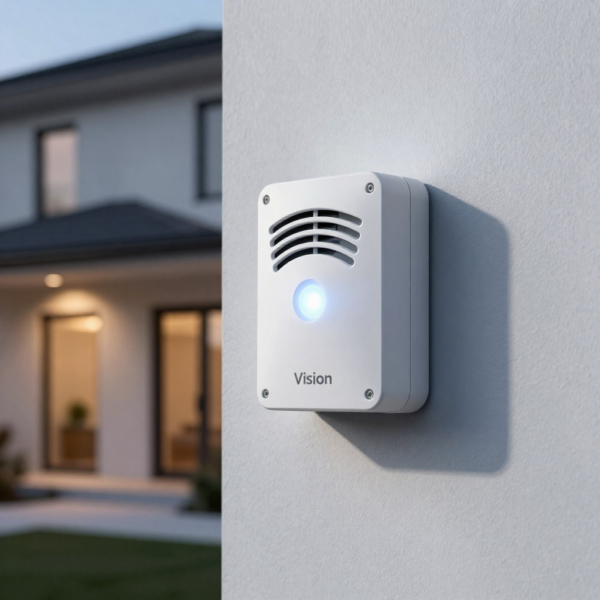
In homes with front yards, backyards, and garages, the Vision Z-Wave Outdoor Siren can be linked to perimeter zones to provide strong external alerts without disturbing occupants unnecessarily.
Commercial Buildings
Small offices and retail spaces often use outdoor sirens to alert security teams and discourage after-hours intrusion.
Multi-Dwelling or Shared Properties
In co-living or multi-unit setups, outdoor sirens can signal a security event without triggering alarms inside individual units.
Buyer’s Guide: Choosing the Right Z-Wave Siren for Multi-Zone Systems
Compatibility With Your Z-Wave Hub
Before choosing a siren, ensure it is compatible with your Z-Wave controller or smart hub. The Vision Z-Wave Outdoor Siren is widely supported, but confirmation is essential.
Alarm Volume and Visibility
Outdoor environments require higher sound output and visual indicators. Buyers should prioritize sirens designed specifically for external use.
Power and Battery Considerations
Battery life and low-battery alerts are important in multi-zone systems where sirens may not be frequently accessed.
Automation and Scene Support
Choose a siren that supports advanced automation triggers rather than basic alarm-only functionality.
Durability and Installation Location
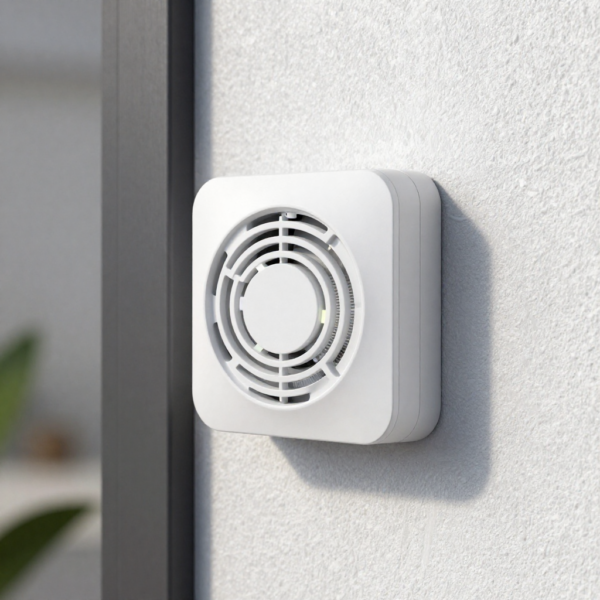
Outdoor sirens must be mounted securely and protected from tampering. Placement should align with zone design and coverage goals.
Installation Best Practices for Vision Z-Wave Outdoor Siren
Correct installation ensures reliable operation.
Recommended practices include:
-
Mounting at a height that maximizes sound dispersion
-
Positioning away from direct tampering
-
Ensuring strong Z-Wave signal coverage
-
Testing activation from all assigned zones
Proper placement is just as important as device selection.
Managing False Alarms in Multi-Zone Systems
False alarms undermine trust in security systems. Multi-zone logic combined with smart sirens helps reduce this risk.
For example, the Vision Z-Wave Outdoor Siren can be configured to activate only after multiple sensor confirmations or during specific arming modes.
This selective activation improves system credibility and user confidence.
Z-Wave Range and Network Design Considerations
Z-Wave operates as a mesh network, meaning devices relay signals for one another.
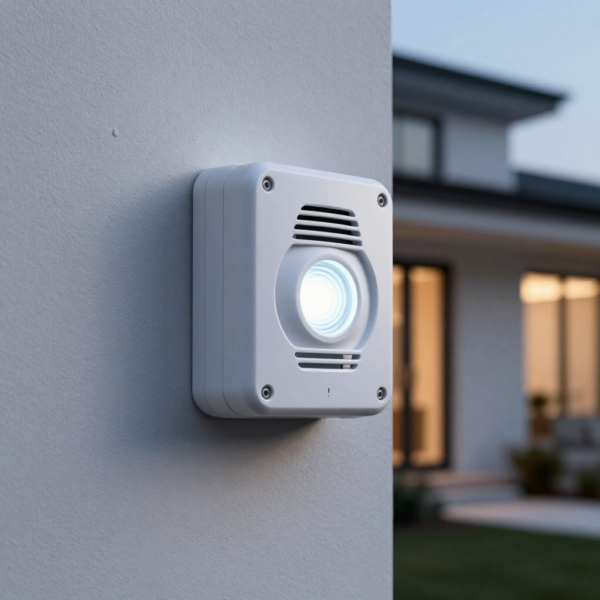
Outdoor sirens like the Vision Z-Wave Outdoor Siren can benefit from nearby powered Z-Wave devices acting as repeaters. Buyers should plan network layout to ensure reliable communication across zones.
Maintenance and Long-Term Reliability
Smart sirens require minimal maintenance but should be tested periodically.
Maintenance considerations include:
-
Battery replacement schedules
-
Firmware updates via the hub
-
Periodic alarm testing per zone
Regular testing ensures that the Vision Z-Wave Outdoor Siren performs correctly when needed.
Cost Considerations and Value
While Z-Wave sirens may cost more than basic wired sirens, they offer greater flexibility, intelligence, and scalability.
In multi-zone alarm systems, the added value of zone-specific alerting and automation often outweighs the initial cost difference.
The Vision Z-Wave Outdoor Siren represents a balance between performance, reliability, and long-term value.
Future Trends in Z-Wave Alarm Systems
As smart security systems evolve, Z-Wave sirens are becoming more tightly integrated with automation, analytics, and remote monitoring.
Future enhancements may include:
-
Smarter event prioritization
-
Integration with AI-based detection
-
Enhanced visual signaling
-
Deeper system diagnostics
Devices like the Vision Z-Wave Outdoor Siren are well positioned to support these trends due to their open protocol and automation compatibility.
Final Thoughts: Is the Vision Z-Wave Outdoor Siren Right for Your System?
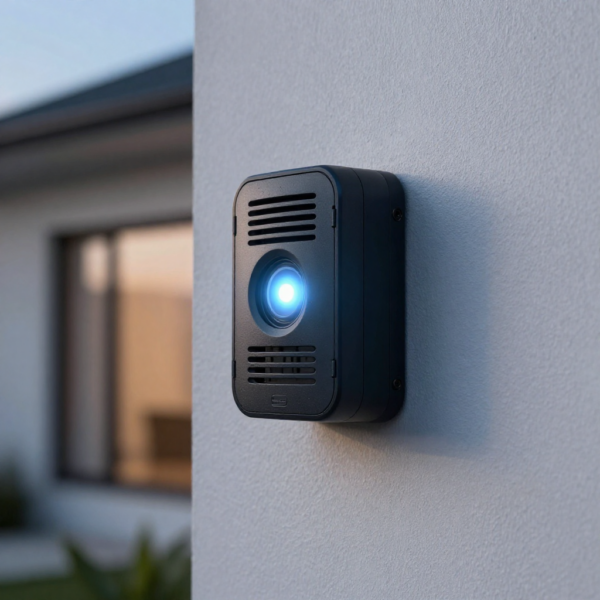
For users designing or upgrading multi-zone alarm systems, a reliable outdoor siren is essential. The Vision Z-Wave Outdoor Siren provides strong deterrence, flexible automation, and seamless integration with Z-Wave platforms.
When used correctly, it enhances zone-based security strategies, reduces false alarms, and improves overall system effectiveness.
Upgrade your smart security system with a Vision Z-Wave Outdoor Siren