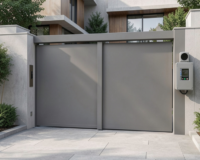
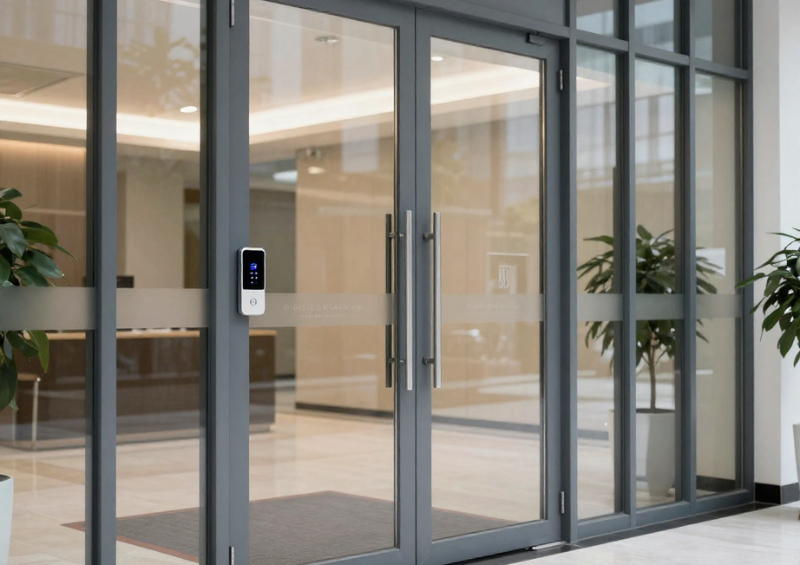
Access control systems are the backbone of modern building security. From small offices to large commercial campuses, these systems regulate who can enter, when they can enter, and where they can go. However, like all technology, access control systems do not last forever.
Many organisations continue using outdated systems long after they have become inefficient, vulnerable, or incompatible with modern security needs. The result is often higher risk, increased maintenance costs, and poor user experience.
So how do you know when it’s time to upgrade?
In this comprehensive guide, we’ll explain the key warning signs, business triggers, technical limitations, and strategic considerations that indicate it’s time to modernise your access control systems. Whether you manage a commercial facility, residential complex, school, or industrial site, this buyer-focused resource will help you make an informed decision.
What Are Access Control Systems?
Access control systems are electronic security solutions that manage and monitor entry to physical spaces. Instead of traditional mechanical keys, these systems use digital credentials and automated verification to grant or deny access.
Common Components
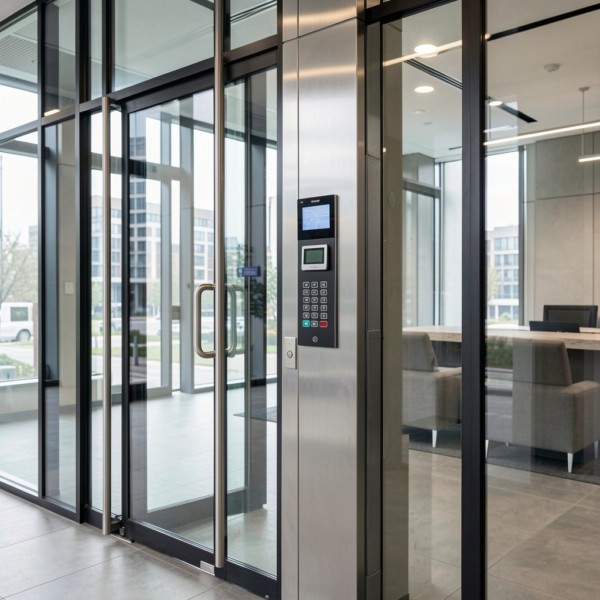
A typical access control system includes:
-
Credential readers (card, fob, mobile, biometric)
-
Control panels or controllers
-
Electronic door locks
-
Management software
-
Exit devices and sensors
-
Network infrastructure
Together, these components create a controlled and auditable security environment.
Why Upgrading Access Control Systems Matters
Many organisations delay upgrades because their system still “works.” However, functioning does not equal secure or efficient.
Risks of Keeping Outdated Systems
Older access control systems often suffer from:
-
Security vulnerabilities
-
Limited scalability
-
Poor integration capability
-
High maintenance costs
-
Lack of remote management
-
Compliance risks
Benefits of Modern Access Control Systems
Upgrading can deliver:
-
Stronger cybersecurity protection
-
Cloud and mobile access
-
Real-time monitoring
-
Better user management
-
Lower long-term costs
-
Improved compliance
-
Enhanced user convenience
Understanding the right timing is critical to maximising these benefits.
Key Signs It’s Time to Upgrade Your Access Control Systems
Below are the most important indicators that your current system may be due for replacement or modernisation.
Your System Is More Than 7–10 Years Old
Technology in access control systems evolves rapidly. Most legacy systems older than a decade lack modern security features.
Why Age Matters
Older systems typically have:
-
Unsupported firmware
-
Obsolete encryption
-
Limited processing power
-
Poor compatibility with new devices
If your system was installed before widespread mobile credentials or cloud management became standard, it is likely nearing end of life.
You Still Rely on Physical Keys
If parts of your facility still depend heavily on mechanical keys, your security posture is likely outdated.
Problems with Key-Based Access
-
Keys can be copied easily
-
Lost keys require rekeying
-
No audit trail
-
No remote control
-
Difficult user management
Modern access control systems eliminate these risks through digital credentials.
Frequent System Failures or Downtime
Reliability issues are a major red flag.
Warning Signs
-
Doors randomly unlock or fail
-
Readers stop responding
-
Software crashes
-
Controllers need frequent resets
-
Intermittent network issues
Frequent failures usually indicate aging hardware or unsupported software.
Rising Maintenance Costs
When maintenance costs begin climbing year after year, replacement often becomes more economical than repair.
Hidden Costs of Old Systems
-
Expensive replacement parts
-
Specialist technician visits
-
Emergency call-outs
-
Productivity losses during downtime
-
Workarounds and manual processes
A modern access control system typically reduces ongoing service costs significantly.
Limited Integration with Other Security Systems
Today’s security environment is interconnected. If your access control systems cannot integrate with other platforms, you are losing efficiency and visibility.
Important Integrations
-
CCTV and video surveillance
-
Alarm systems
-
Building management systems (BMS)
-
Visitor management platforms
-
HR databases
-
Mobile credential platforms
Lack of integration creates security blind spots and operational inefficiencies.
You Cannot Manage the System Remotely
Remote management is now a standard expectation.
If your team must be physically onsite to:
-
Add or remove users
-
Unlock doors
-
Run reports
-
Change schedules
…then your system is likely outdated.
Modern access control systems provide secure web or cloud dashboards accessible from anywhere.
Poor User Experience
User frustration is often an overlooked upgrade trigger.
Common Complaints
-
Slow card readers
-
Frequent access denials
-
Complicated credential issuance
-
Long queues at entry points
-
No mobile access
A poor experience affects employees, tenants, and visitors alike.
Security or Compliance Requirements Have Changed
Regulations evolve, and your system must keep up.
Common Compliance Drivers
-
Workplace health and safety requirements
-
Privacy regulations
-
Industry security standards
-
Insurance requirements
-
Disability access rules
If your current access control systems cannot support updated compliance needs, an upgrade becomes essential.
Your Facility Has Expanded
Business growth often exposes system limitations.
Expansion Triggers
-
New buildings or doors
-
Additional staff
-
Multi-site operations
-
New departments
-
Increased visitor traffic
Legacy systems often struggle to scale efficiently.
You Need Better Audit and Reporting
Modern security management relies heavily on data.
If your system cannot easily produce:
-
Entry logs
-
User activity reports
-
Exception alerts
-
Occupancy data
-
Compliance reports
…you are operating with limited visibility.
Strategic Reasons to Upgrade Access Control Systems
Beyond technical problems, there are strategic moments when upgrading makes strong business sense.
Moving to a Cloud-Based Security Model
Cloud access control systems are rapidly becoming the industry standard.
Advantages of Cloud Access Control
-
Remote management
-
Automatic updates
-
Lower on-site infrastructure
-
Multi-site visibility
-
Easier scalability
-
Improved cybersecurity
Organisations undergoing digital transformation should strongly consider upgrading.
Transitioning to Mobile Credentials
Mobile access is one of the fastest-growing trends in access control systems.
Benefits
-
No physical cards to manage
-
Contactless entry
-
Enhanced security
-
Better user convenience
-
Easier credential revocation
If your system cannot support mobile credentials, it may be time to modernise.
Improving Cybersecurity Posture
Older access control systems were not designed for today’s cyber threat landscape.
Common Vulnerabilities
-
Default passwords
-
Unencrypted communication
-
Outdated operating systems
-
Unsupported firmware
-
Open network ports
Modern platforms include:
-
End-to-end encryption
-
Secure APIs
-
Role-based access
-
Multi-factor authentication
-
Regular security patches
Cyber risk alone is often enough reason to upgrade.
Preparing for Smart Building Integration
Smart buildings require connected systems that share data seamlessly.
Upgrading enables integration with:
-
HVAC optimisation
-
Occupancy analytics
-
Energy management
-
Smart lighting
-
Workplace experience platforms
Legacy access control systems often cannot support these capabilities.
Upgrade vs. Retrofit: What’s the Difference?
Not every situation requires a full replacement.
Retrofit (Partial Upgrade)
A retrofit may involve:
-
Replacing readers only
-
Upgrading controllers
-
Updating software
-
Adding mobile credential support
Best when:
-
Cabling is still good
-
Door hardware is modern
-
System architecture is scalable
Full System Replacement
A full upgrade is recommended when:
-
Hardware is obsolete
-
System is unsupported
-
Security risks are high
-
Expansion is required
-
Infrastructure is failing
A professional audit can determine the best path.
How to Plan an Access Control System Upgrade
A structured approach ensures a smooth transition.
Step 1: Conduct a Security Audit
Evaluate:
-
Current system age
-
Failure history
-
Coverage gaps
-
User pain points
-
Compliance status
-
Future growth plans
Step 2: Define Your Objectives
Common upgrade goals include:
-
Better security
-
Remote management
-
Mobile access
-
Multi-site control
-
Lower maintenance
-
Improved reporting
Clear goals guide product selection.
Step 3: Assess Infrastructure
Review:
-
Door hardware condition
-
Network capacity
-
Power availability
-
Cable pathways
-
Server environment
This determines whether retrofit or replacement is best.
Step 4: Choose the Right Technology
Consider:
-
Cloud vs on-premise
-
Credential types
-
Integration requirements
-
Cybersecurity features
-
Scalability
Step 5: Plan the Migration
A good upgrade plan minimises disruption.
Best Practices
-
Phased rollout
-
After-hours installation
-
Parallel system testing
-
Staff training
-
Data migration planning
Cost Considerations
Upgrading access control systems is an investment, but delaying too long often costs more.
Factors That Affect Cost
-
Number of doors
-
Type of readers
-
Credential technology
-
Network upgrades
-
Software licensing
-
Installation complexity
-
Integration requirements
The Hidden Cost of Not Upgrading
Organisations often overlook:
-
Security incidents
-
Compliance penalties
-
Productivity loss
-
Manual administration time
-
Emergency repairs
-
Insurance impacts
In many cases, modern access control systems deliver strong ROI within a few years.
Future-Proof Features to Look For
When upgrading, prioritise systems that will remain viable long term.
Must-Have Capabilities
-
Open API architecture
-
Mobile credential support
-
Cloud management option
-
Strong encryption
-
Multi-site scalability
-
Real-time alerts
-
Detailed audit logs
-
Integration readiness
Future-proofing reduces the need for another upgrade in the near term.
Common Upgrade Mistakes to Avoid
Avoid these frequent pitfalls.
Underestimating Cybersecurity
Physical security is now IT security. Always involve IT stakeholders.
Choosing Proprietary Closed Systems
Closed ecosystems limit flexibility and increase long-term costs.
Ignoring User Experience
Complicated systems lead to poor adoption and workarounds.
Failing to Plan for Growth
Always size access control systems for future expansion.
Skipping Professional Assessment
Expert evaluation often reveals risks and opportunities you might miss.
Conclusion
Access control systems are critical infrastructure that must evolve alongside your organisation’s security, operational, and compliance needs. While many legacy systems continue to function, the risks and inefficiencies of outdated technology can quietly accumulate over time.
If your system is aging, unreliable, difficult to manage, or unable to integrate with modern platforms, it is likely time to consider an upgrade.
By recognising the warning signs early and planning strategically, organisations can transition to modern access control systems that deliver stronger security, better user experience, improved compliance, and long-term cost savings.
Upgrading is not just about replacing hardware — it is about building a smarter, more resilient security foundation for the future.