In contemporary architecture, large glass panels, open-plan layouts, and floor-to-ceiling windows have become defining features of both residential and commercial spaces. While these designs maximize natural light and create visually appealing environments, they also introduce a persistent challenge—sunlight glare.
Glare is more than just a minor inconvenience. It affects comfort, productivity, energy efficiency, and even long-term interior durability. Traditional solutions such as curtains, blinds, and tinted films often fall short because they rely on manual operation and cannot adapt to changing sunlight conditions throughout the day.
This is where Automated Window Systems and Smart Window Control System technologies provide a transformative solution. By combining intelligent sensors, automation, and real-time data, these systems offer precise control over natural light—enhancing comfort while supporting energy efficiency and sustainability.
Understanding Sunlight Glare in Modern Buildings
Sunlight glare occurs when excessive brightness enters a space, creating visual discomfort and reducing visibility. It is especially problematic in environments where screens, reflective surfaces, or direct sunlight exposure are common.
In office environments, glare can significantly impact employee productivity. Workers may struggle to view screens clearly, leading to eye strain and fatigue. In residential spaces, glare can disrupt daily activities such as watching television, working from home, or simply relaxing.
Additionally, glare often comes with increased solar heat gain, which raises indoor temperatures. This leads to higher reliance on air conditioning systems, increasing energy consumption and operational costs.
Understanding the nature of glare is the first step toward implementing effective solutions—and Automated Window Systems are designed specifically to address this issue.
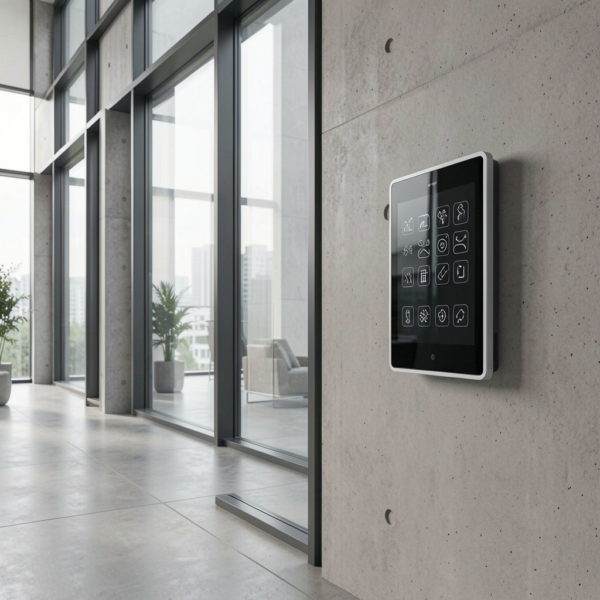
What Are Automated Window Systems?
Automated Window Systems are advanced solutions that control window coverings—such as blinds, shades, louvers, or curtains—automatically based on environmental conditions or user preferences.
These systems rely on a combination of technologies, including:
- Light sensors to detect brightness levels
- Temperature sensors to monitor heat gain
- Motorized mechanisms to adjust coverings
- Control systems to process data and execute actions
Unlike manual systems, automated solutions operate continuously and dynamically. They respond instantly to changes in sunlight, ensuring optimal indoor conditions at all times.
When integrated with a Smart Window Control System, users can also control these systems remotely, schedule operations, and customize settings based on specific needs.
The Evolution from Manual to Smart Window Control
Traditional window treatments require constant manual adjustments, which are often impractical in large buildings or busy households. As a result, blinds may remain closed for extended periods, reducing natural light, or remain open when glare becomes problematic.
The introduction of automation marked a significant improvement, allowing basic scheduling and remote control. However, modern Smart Window Control System solutions go even further by incorporating intelligence and adaptability.
Today’s systems can:
- Automatically adjust based on real-time sunlight conditions
- Learn user preferences over time
- Integrate with other smart devices and systems
- Optimize both comfort and energy efficiency
This evolution represents a shift from reactive to proactive light management.
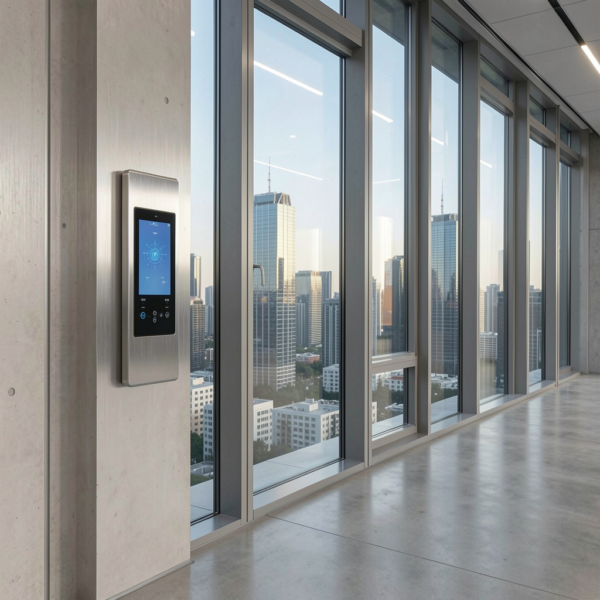
How Smart Window Control Systems Work
A Smart Window Control System operates through a network of interconnected components that work together seamlessly.
Sensors collect real-time data on light intensity, temperature, and occupancy. This data is processed by a central control unit, which determines the optimal position of window coverings.
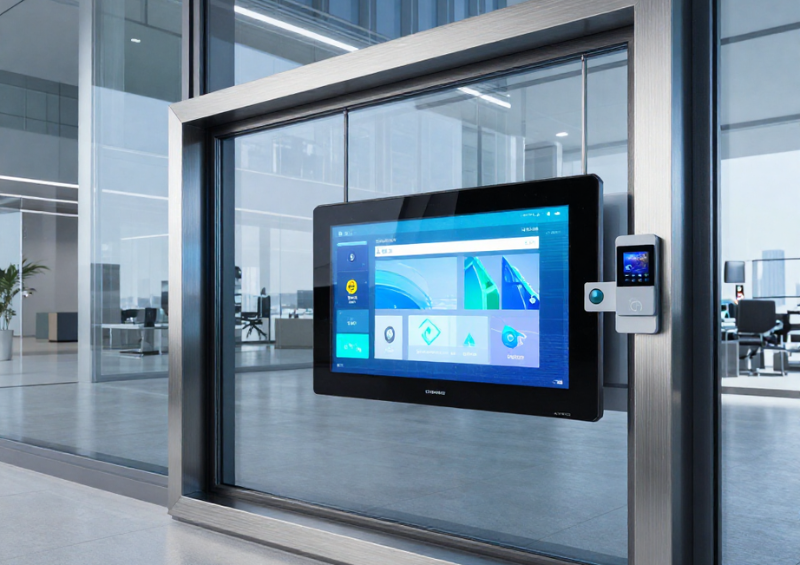
Motorized blinds or shades then adjust automatically, reducing glare or allowing more light as needed. Users can interact with the system through mobile apps, voice assistants, or centralized dashboards.
Advanced systems also use cloud connectivity and AI algorithms to analyze patterns and improve performance over time.
The Science Behind Glare Reduction
Effective glare management requires a balance between blocking excessive light and maintaining sufficient illumination.
Automated Window Systems achieve this balance by adjusting the angle and position of blinds or shades to diffuse sunlight rather than block it entirely. This reduces harsh brightness while preserving natural light.
Some systems use dynamic shading techniques, which adapt continuously throughout the day based on the sun’s position. This ensures consistent lighting conditions without compromising visibility or comfort.
By applying scientific principles of light diffusion and reflection, these systems deliver superior performance compared to static solutions.
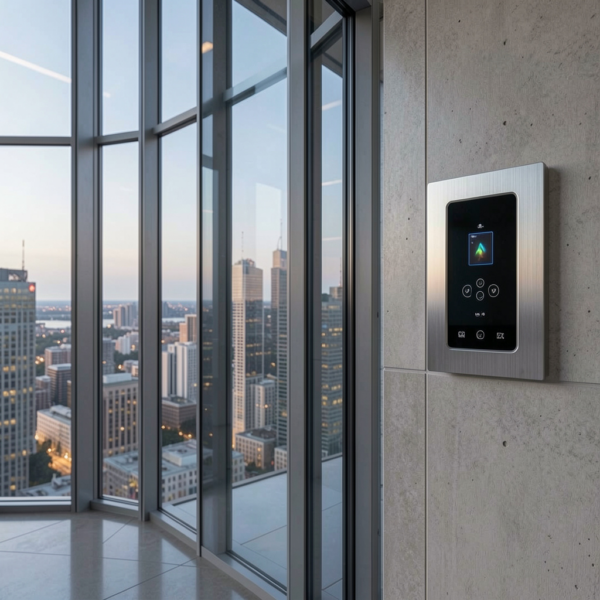
Benefits of Automated Window Systems for Glare Management
Improved Visual Comfort
Automated systems eliminate the need to constantly adjust blinds manually. By maintaining optimal lighting conditions, they reduce eye strain and improve overall comfort.
Enhanced Productivity
In work environments, consistent lighting is essential for focus and efficiency. Smart Window Control System solutions help create a distraction-free environment, improving employee performance.
Energy Efficiency
By controlling solar heat gain, automated systems reduce the need for air conditioning. This leads to significant energy savings and lower utility costs.
Protection of Interiors
Prolonged exposure to sunlight can fade furniture, flooring, and artwork. Automated systems limit UV exposure, preserving interior elements.
Increased Property Value
Smart technologies, including automated window systems, add value to properties by enhancing functionality, comfort, and energy efficiency.
Residential Applications: Comfort Meets Convenience
In homes, Automated Window Systems provide a seamless blend of comfort and convenience.
Homeowners can schedule blinds to open in the morning, allowing natural light to wake them gently, and close during peak sunlight hours to prevent overheating. Integration with smart home systems enables voice control and automation based on daily routines.
For example, a Smart Window Control System can automatically close blinds when the temperature rises or when no one is home, improving energy efficiency.
These features make everyday living more comfortable while reducing energy costs.
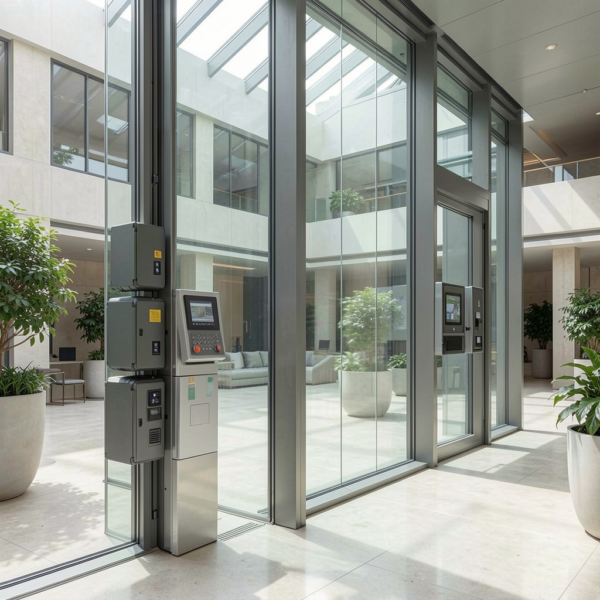
Commercial Applications: Enhancing Workplace Efficiency
In commercial buildings, glare management is critical for maintaining productivity and comfort.
Automated Window Systems are widely used in offices, conference rooms, and coworking spaces. They ensure consistent lighting conditions, reducing distractions and improving focus.
In retail environments, controlled lighting enhances product visibility and customer experience. Hotels use automated systems to provide guests with personalized comfort and luxury.
Large-scale buildings benefit from centralized control, allowing facility managers to monitor and adjust window systems across multiple areas efficiently.
Integration with Smart Building Ecosystems
A Smart Window Control System does not operate in isolation. It can be integrated with other building systems, such as lighting, HVAC, and security.
This integration enables coordinated responses to environmental changes. For example, when sunlight increases, the system can:
- Adjust blinds to reduce glare
- Dim artificial lighting
- Reduce cooling output
This holistic approach maximizes energy efficiency and enhances overall building performance.
Role of IoT and AI in Automated Window Systems
The Internet of Things (IoT) and Artificial Intelligence (AI) are key drivers of innovation in Automated Window Systems.
IoT devices provide continuous data from sensors, enabling real-time monitoring of environmental conditions. AI algorithms analyze this data to predict patterns and optimize system behavior.
For instance, AI can anticipate changes in sunlight based on weather forecasts and adjust window coverings proactively. Over time, the system learns user preferences, delivering a personalized experience.
This combination of IoT and AI makes smart window control systems more intelligent, efficient, and user-friendly.
Customization and User Experience
One of the greatest advantages of a Smart Window Control System is its flexibility.
Users can customize settings based on their preferences, such as preferred brightness levels, schedules, or specific room requirements. Mobile apps provide intuitive interfaces for easy control, while voice assistants offer hands-free operation.
Advanced systems allow for zoned control, enabling different settings for different areas within a building. This ensures that each space is optimized for its specific use.
Energy Savings and Sustainability Benefits
Energy efficiency is a major advantage of Automated Window Systems.
By reducing solar heat gain, these systems lower the demand for air conditioning. They also optimize the use of natural light, reducing the need for artificial lighting.
This dual benefit leads to significant energy savings and contributes to sustainability goals. In commercial buildings, automated window systems can support green certifications and reduce carbon footprints.
As sustainability becomes increasingly important, these systems play a vital role in creating eco-friendly environments.
Challenges and Considerations
Despite their benefits, implementing Automated Window Systems requires careful planning.
Initial costs can be higher than traditional solutions, particularly for large-scale installations. Compatibility with existing infrastructure may also pose challenges, especially in older buildings.
Maintenance and system reliability are important considerations. Choosing high-quality products and experienced providers is essential for long-term performance.
However, the long-term benefits in terms of comfort, energy savings, and efficiency often outweigh these challenges.
Best Practices for Implementation
To maximize the benefits of a Smart Window Control System, it is important to follow best practices.
Start by assessing the specific needs of the space, including sunlight exposure, usage patterns, and energy goals. Choose systems that offer scalability and integration with existing technologies.
Work with experienced professionals to ensure proper installation and configuration. Regular maintenance and updates will help maintain optimal performance.
User training is also important, as it ensures that occupants can fully utilize the system’s capabilities.
Future Trends in Smart Window Technology
The future of Automated Window Systems is driven by continuous innovation.
Smart glass technology is emerging as an alternative to traditional window coverings, allowing windows to adjust transparency dynamically. AI-driven systems will become more predictive, optimizing performance based on environmental data and user behavior.
Integration with smart cities and energy grids will further enhance efficiency. As technology advances, smart window control systems will become more accessible and widely adopted.
Conclusion: A Smarter Approach to Light Management
Managing sunlight glare is essential for creating comfortable, productive, and energy-efficient spaces. Automated Window Systems and Smart Window Control System technologies provide a modern solution that goes beyond traditional methods.
By combining automation, intelligence, and integration, these systems offer precise control over indoor environments. They enhance comfort, reduce energy consumption, and support sustainability goals.
As buildings become smarter and more connected, automated window systems will play a central role in shaping the future of indoor living and working environments.