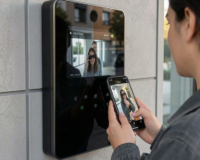

Modern architecture increasingly features large glass façades and expansive atriums designed to maximize natural light, improve aesthetics, and create open interior spaces. While these designs offer many benefits, they also introduce challenges related to ventilation, temperature control, energy efficiency, and occupant comfort. This is where a Smart Window Control System becomes essential.
A Smart Window Control System uses automation technology, sensors, and intelligent controls to manage windows, skylights, and façade openings automatically. These systems adjust window positions based on environmental conditions such as temperature, air quality, wind speed, sunlight, and occupancy levels. As a result, buildings can maintain comfortable indoor environments while reducing energy consumption and improving sustainability.
In this comprehensive guide, we explore how Smart Window Control System technology works, its benefits for atriums and large façades, the components involved, and best practices for implementation in modern buildings.
Table of Contents
ToggleUnderstanding Smart Window Control System Technology
A Smart Window Control System is an automated building technology designed to manage the opening and closing of windows, skylights, and façade vents using electronic controls. Instead of manually operating windows, the system uses intelligent automation to respond to real-time environmental conditions.
These systems typically integrate with building management systems (BMS) and smart building platforms, allowing centralized monitoring and control.
Key capabilities of a Smart Window Control System include:
-
Automatic ventilation control
-
Temperature regulation
-
Smoke and heat ventilation during emergencies
-
Energy efficiency optimization
-
Remote operation and monitoring
-
Integration with climate and lighting systems
For large architectural features like atriums and glass façades, automation ensures windows operate efficiently even in hard-to-reach areas.
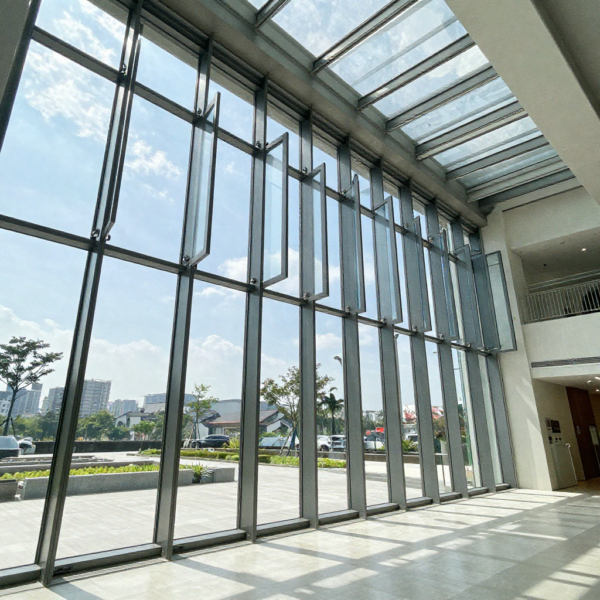
Why Atriums and Large Facades Need Smart Window Control Systems
Atriums and large glass façades create visually impressive spaces but present unique challenges in building management. These structures often experience significant heat gain, uneven airflow, and ventilation difficulties.
A Smart Window Control System helps address these issues by providing automated environmental control.
Improved Ventilation
Large spaces often trap warm air at higher levels. Automated windows release warm air while drawing in fresh air from lower openings.
Temperature Regulation
Sensors monitor temperature and adjust window positions to maintain comfortable indoor conditions.
Energy Efficiency
By reducing reliance on mechanical HVAC systems, automated ventilation can significantly lower energy consumption.
Accessibility
High windows in atriums or tall façades can be difficult to operate manually. Automation eliminates this challenge.
Safety and Emergency Ventilation
In the event of a fire, automated window systems can open automatically to release smoke and heat.
Key Components of a Smart Window Control System
A typical Smart Window Control System includes several integrated components that work together to automate window operation.
Window Actuators
Actuators are motorized devices that physically open and close windows. They can be chain actuators, spindle actuators, or linear actuators depending on window size and type.
Environmental Sensors
Sensors collect data about environmental conditions such as temperature, humidity, wind speed, and air quality.
Control Panels and Controllers
Controllers process sensor data and determine when windows should open or close.
Weather Stations
External weather stations monitor outdoor conditions such as rain, wind, and sunlight to protect windows from adverse weather.
Building Management System Integration
Many systems integrate with building management systems to coordinate ventilation, lighting, and climate control.
Together, these components enable a Smart Window Control System to operate efficiently and autonomously.
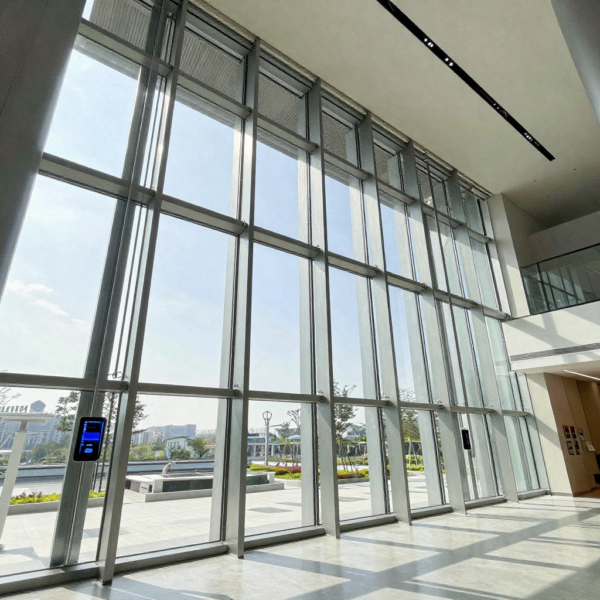
How Smart Window Control Systems Work in Atriums
Atriums often feature large open spaces extending multiple floors, making ventilation management challenging. A Smart Window Control System uses natural airflow principles to improve air circulation within these spaces.
When sensors detect rising indoor temperatures or poor air quality, the system automatically opens upper windows or skylights. Warm air naturally rises and escapes through these openings, while cooler air enters through lower windows.
This natural ventilation process, often referred to as the stack effect, helps regulate temperature without relying heavily on mechanical air conditioning systems.
By leveraging natural airflow, a Smart Window Control System improves indoor comfort while reducing energy costs.
Smart Window Control for Large Glass Facades
Large glass façades are common in modern commercial buildings, offices, airports, and shopping centers. However, these structures can lead to excessive heat gain and glare if not properly managed.
A Smart Window Control System can automatically adjust window openings to balance indoor temperature and airflow.
For example:
-
Windows open during cooler periods to allow fresh air circulation
-
Windows close when outdoor temperatures rise
-
Sensors adjust openings to reduce glare and overheating
This dynamic control ensures that large façades remain comfortable and energy efficient.
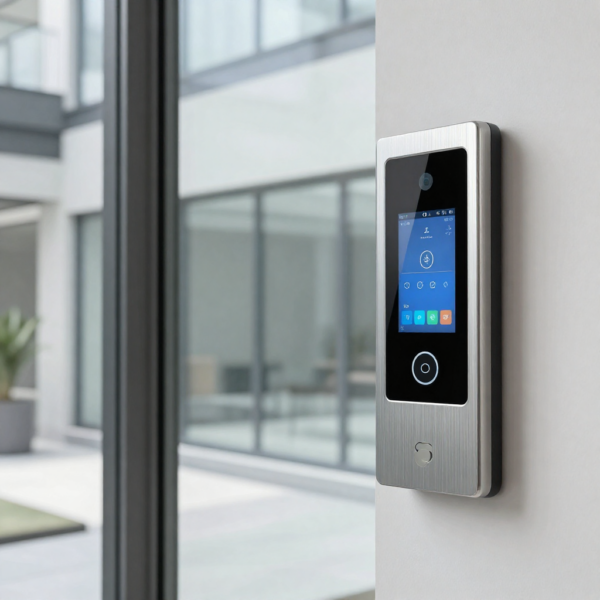
Integration with Smart Building Systems
One of the most significant advantages of a Smart Window Control System is its ability to integrate with other building technologies.
Modern smart buildings use interconnected systems that share data to optimize building performance.
Integration possibilities include:
HVAC Systems
Window automation can work alongside heating and cooling systems to maintain optimal indoor temperatures.
Lighting Systems
Daylight sensors can coordinate with window openings and shading systems to maximize natural lighting.
Fire Safety Systems
Smoke ventilation systems can automatically open windows during emergencies.
Building Management Platforms
Facility managers can monitor and control window systems through centralized dashboards.
This level of integration transforms window automation into an essential part of intelligent building infrastructure.
Energy Efficiency Benefits of Smart Window Control Systems
Energy efficiency is one of the primary motivations for implementing a Smart Window Control System.
Buildings consume a significant portion of global energy, much of which is used for heating, cooling, and ventilation.
Automated window systems help reduce energy consumption by:
-
Using natural ventilation instead of mechanical cooling
-
Optimizing airflow based on environmental conditions
-
Reducing reliance on HVAC systems
-
Minimizing energy loss through intelligent window management
Studies have shown that natural ventilation systems can significantly reduce building energy usage when implemented correctly.
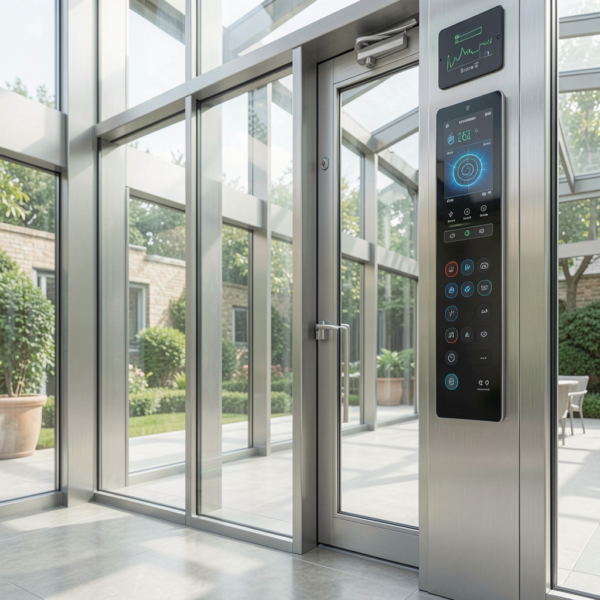
Enhancing Indoor Air Quality with Smart Window Automation
Indoor air quality is critical for occupant health, comfort, and productivity. Poor ventilation can lead to the accumulation of pollutants, carbon dioxide, and humidity.
A Smart Window Control System improves air quality by introducing fresh outdoor air automatically.
Sensors continuously monitor indoor air conditions. When air quality levels drop below acceptable thresholds, the system opens windows to improve ventilation.
This automated process ensures that occupants always experience a healthy indoor environment without requiring manual intervention.
Safety and Smoke Ventilation in Atriums
Large atriums must comply with strict fire safety regulations. Smoke ventilation systems are essential for maintaining safe evacuation routes during emergencies.
A Smart Window Control System can serve as part of a building’s smoke and heat exhaust ventilation system.
During a fire emergency, the system can automatically open designated windows or vents to release smoke and heat from the building. This improves visibility and reduces the risk of heat buildup.
Automated smoke ventilation systems are commonly required in large public buildings such as shopping centers, airports, and stadiums.
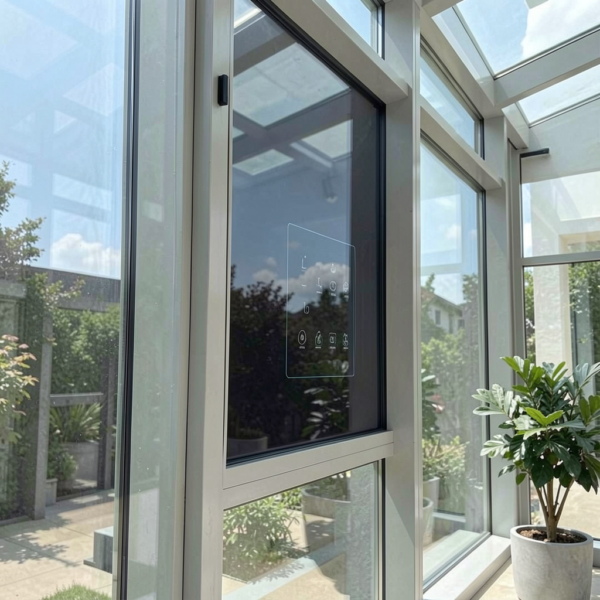
Remote Monitoring and Smart Controls
Modern Smart Window Control System technology often includes remote monitoring capabilities. Facility managers can control and monitor window systems through mobile apps or cloud-based platforms.
Remote features may include:
-
Real-time system monitoring
-
Remote window control
-
Automated scheduling
-
Performance analytics
-
Maintenance alerts
These capabilities allow building managers to ensure that systems operate efficiently and respond quickly to changing conditions.
Best Window Types for Smart Window Control Systems
Different window designs can be integrated with a Smart Window Control System depending on architectural requirements.
Common window types include:
Top-Hung Windows
These windows open outward from the top and are commonly used in façade ventilation systems.
Bottom-Hung Windows
Often used for smoke ventilation in atriums and high-rise buildings.
Skylights
Skylights provide natural light and ventilation in large atriums and roof structures.
Louvre Windows
Adjustable louvers allow precise airflow control and are ideal for natural ventilation systems.
Selecting the appropriate window type ensures optimal performance of the automation system.
Maintenance and Reliability of Smart Window Systems
Proper maintenance is essential for ensuring long-term reliability of a Smart Window Control System.
Routine maintenance activities include:
-
Inspecting window actuators
-
Cleaning sensors and weather stations
-
Testing emergency ventilation functions
-
Checking electrical connections
-
Updating system software
Regular inspections help prevent system failures and ensure continued performance.
Challenges in Implementing Smart Window Control Systems
While automation provides many benefits, implementing a Smart Window Control System may present some challenges.
System Integration Complexity
Connecting window automation with existing building systems may require specialized expertise.
Environmental Factors
Strong winds, rain, or extreme temperatures must be carefully managed by the control system.
Installation Costs
Advanced automation systems may require higher initial investment.
However, long-term energy savings and improved building performance often justify these costs.
Future Trends in Smart Window Automation
Advancements in building automation technology are driving new innovations in Smart Window Control System solutions.
AI-Powered Building Automation
Artificial intelligence can analyze environmental data and optimize window operations automatically.
Smart Glass Integration
Dynamic glass technologies may work alongside automated windows to regulate heat and light.
IoT-Enabled Building Systems
Internet of Things sensors allow real-time data collection for improved automation accuracy.
Sustainable Building Design
As sustainability becomes a priority, automated natural ventilation systems will play an increasingly important role in green architecture.
These innovations will continue to enhance the capabilities of Smart Window Control System technology.
Conclusion
Atriums and large glass façades are defining features of modern architecture, offering natural light, visual appeal, and open interior spaces. However, managing ventilation, temperature, and air quality in these structures requires advanced solutions.
A Smart Window Control System provides the automation needed to regulate airflow, improve energy efficiency, and maintain comfortable indoor environments. By integrating sensors, actuators, and intelligent controls, these systems enable buildings to respond dynamically to environmental conditions.
From enhancing natural ventilation to supporting smoke evacuation systems, smart window automation plays a crucial role in modern building design. As technology continues to evolve, Smart Window Control System solutions will become an essential component of intelligent, sustainable buildings.
Explore how automation enhances comfort and energy efficiency in our guide to smart window control systems benefits