Smart homes promise seamless control, automation, and convenience—but what happens when connectivity fails? In many regions, internet outages, weak Wi-Fi signals, or temporary disruptions are common. When it comes to something as critical as home or business security, relying entirely on the internet can raise serious concerns.
This is why understanding how a Smart Lock functions without internet is essential. Contrary to popular belief, most smart locks are not fully dependent on cloud connectivity. In fact, they are intentionally designed to operate offline for core functions such as unlocking, authentication, and access control.
In this comprehensive guide, we will explore in detail what still works offline, how these systems are built for reliability, and why offline capability is one of the most important features to consider when choosing a smart lock.
What Defines a Smart Lock in Modern Security Systems
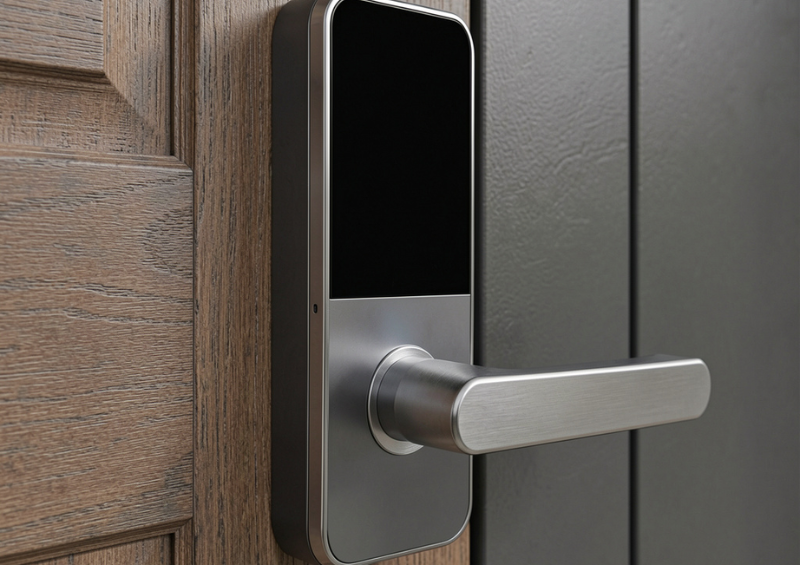
A Smart Lock is more than just a digital replacement for a traditional lock—it is a complete access control system. It combines mechanical locking hardware with electronic components and intelligent software.
At its core, a smart lock includes:
- A motorized locking mechanism
- A control unit (microprocessor)
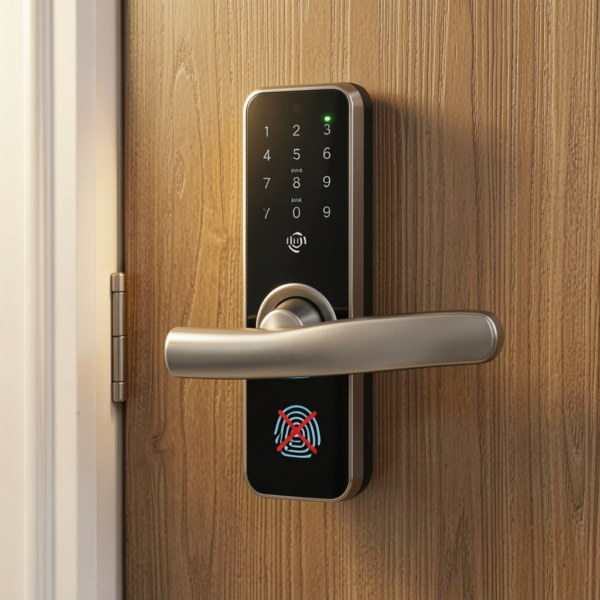
- Input methods (keypad, fingerprint sensor, RFID reader)
- Communication modules (Bluetooth, Wi-Fi, Zigbee, etc.)
While many users focus on app control and remote access, the most critical aspect of a smart lock is its local functionality—the ability to operate independently of external systems.
This design ensures that even without internet, the lock continues to perform its primary role: securing and granting access.
Why Offline Functionality Is a Critical Feature
When evaluating a Smart Lock, many buyers prioritize advanced features such as app control or integration with voice assistants. However, offline capability is arguably more important.
Imagine scenarios such as:
- A sudden Wi-Fi outage
- Router failure or power disruption
- Weak signal in certain areas of the property
- Remote or rural locations with limited connectivity
In these situations, a lock that depends entirely on the internet would fail. Fortunately, most smart locks are built with redundancy in mind, ensuring continuous operation regardless of network status.
Offline functionality is not just a backup—it is a core design principle.
How Smart Locks Are Engineered to Work Offline
The reason a Smart Lock can function without internet lies in its architecture. These devices are designed with local authentication systems, meaning they do not need to communicate with a server to verify access.
When a user enters a PIN code or scans a fingerprint, the lock compares this input against stored data within its internal memory. This process happens instantly and entirely offline.
Additionally, Bluetooth-enabled locks use direct device-to-device communication, allowing smartphones to connect without Wi-Fi.
This decentralized approach ensures that the lock remains operational, secure, and responsive at all times.
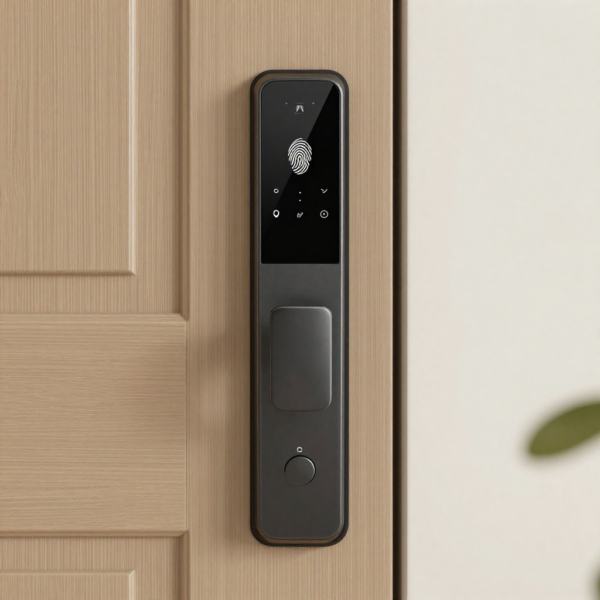
Offline Access Methods: A Detailed Breakdown
PIN Code Entry
PIN codes are the most widely used offline access method. They are stored securely within the lock’s internal system and can be verified instantly.
This makes PIN access ideal for families, employees, and temporary users.
Fingerprint Recognition
Biometric smart locks process fingerprint data locally. This eliminates the need for cloud verification and ensures fast, secure access.
Fingerprint access is particularly useful for high-security environments.
RFID Cards and Key Tags
RFID technology is commonly used in offices and hotels. These cards or tags communicate directly with the lock, allowing quick and reliable access without internet.
Bluetooth Unlocking
Bluetooth provides a secure, short-range connection between the lock and a smartphone. Users can unlock doors via mobile apps even when offline.
Mechanical Key Override
Despite being a digital device, every Smart Lock includes a physical key option. This serves as a fail-safe in extreme situations.
What Exactly Stops Working Without Internet
While offline functionality covers essential operations, some advanced features are unavailable without internet.
These include:
- Remote access from anywhere
- Real-time notifications
- Cloud-based activity logs
- Integration with smart assistants
- Remote user management
These features enhance convenience but are not necessary for basic operation.
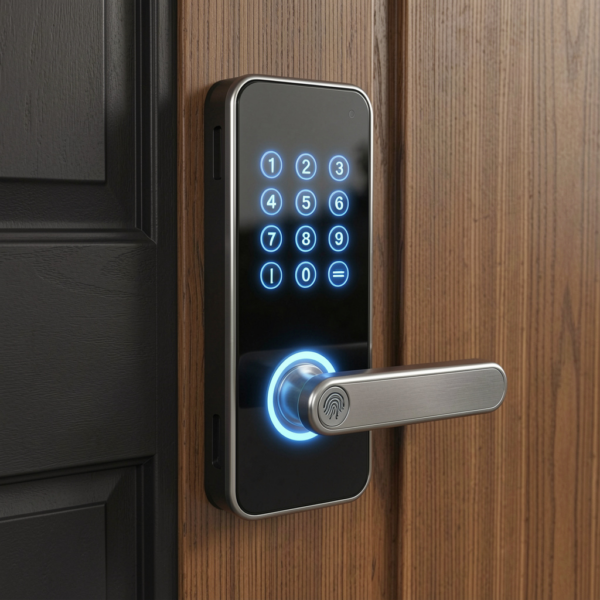
The Role of Bluetooth in Offline Smart Locks
Bluetooth is one of the most important technologies enabling offline functionality.
Unlike Wi-Fi, which requires internet access, Bluetooth allows direct communication between devices. This means your smartphone can connect to your Smart Lock without relying on a network.
Bluetooth also offers advantages such as:
- Low power consumption
- Fast response time
- Secure encrypted communication
For many users, Bluetooth is the primary method of offline smart lock control.
Security Advantages of Offline Smart Locks
Operating offline can actually enhance security in several ways.
Reduced Cyber Risk
Without internet connectivity, the lock is less exposed to hacking attempts or cloud vulnerabilities.
Local Data Storage
Sensitive information such as PIN codes and fingerprints is stored within the device, reducing the risk of data breaches.
Controlled Access
Offline systems limit access to physical proximity, making unauthorized remote access impossible.
These factors make offline Smart Lock systems highly secure and reliable.
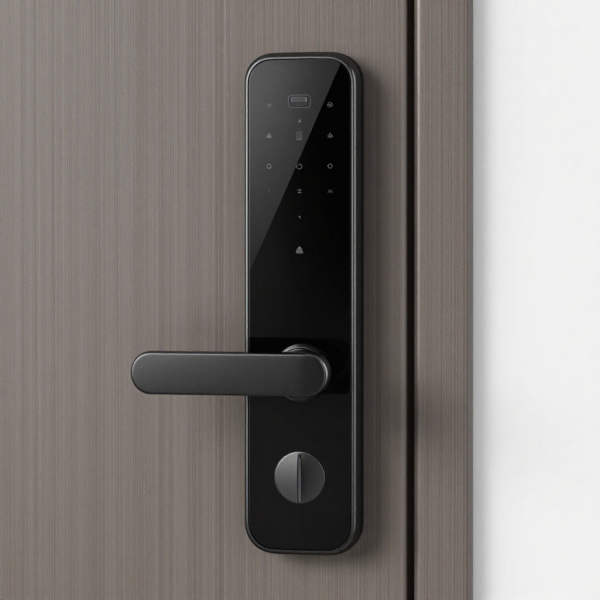
Potential Risks and How to Mitigate Them
While offline operation makes a Smart Lock reliable and independent from internet issues, it still comes with certain risks that require proper management.
Lost or Shared PIN Codes
PIN codes can become a security risk if they are shared too widely or not updated regularly. Temporary users may retain access longer than intended, and simple codes are easier to guess.
How to mitigate:
- Use strong, unique PIN codes
- Assign separate codes for each user
- Regularly delete or update old codes
- Avoid sharing codes unnecessarily
Physical Tampering
Like any lock, a Smart Lock can be physically tampered with if it is not well-built or properly installed.
How to mitigate:
- Choose high-quality, tamper-resistant locks
- Install on solid doors and frames
- Use models with anti-tamper alarms
- Consider adding extra security (cameras, sensors)
Battery Dependency
Smart door locks rely on battery power, and a drained battery can disable electronic access methods.
How to mitigate:
- Monitor battery levels regularly
- Replace batteries before they run out
- Keep spare batteries available
- Use locks with low-battery alerts or backup power
Limited Access Monitoring
Without internet, real-time notifications and cloud logs may not be available.
How to mitigate:
- Sync data when internet is available
- Use locks with local activity storage
- Combine with security cameras or alarms
User Mismanagement
Poor access control or lack of maintenance can create vulnerabilities.
How to mitigate:
- Regularly review user access
- Remove unused credentials
- Ensure users understand how to operate the lock
Environmental Wear
Dust, humidity, or extreme weather can affect performance over time.
How to mitigate:
- Use weather-resistant models
- Clean and maintain regularly
- Protect from harsh conditions where possible
Real-Life Scenarios Where Offline Smart Locks Excel
Offline functionality proves invaluable in many real-world situations.
In residential homes, family members can access the house without needing internet or smartphones. This is especially helpful for children or elderly individuals.
In rental properties, hosts can provide temporary PIN codes for guests, ensuring access even if the internet is unavailable.
In commercial environments, employees can continue operations without disruption during network outages.
These scenarios highlight the importance of choosing a Smart Lock with strong offline capabilities.
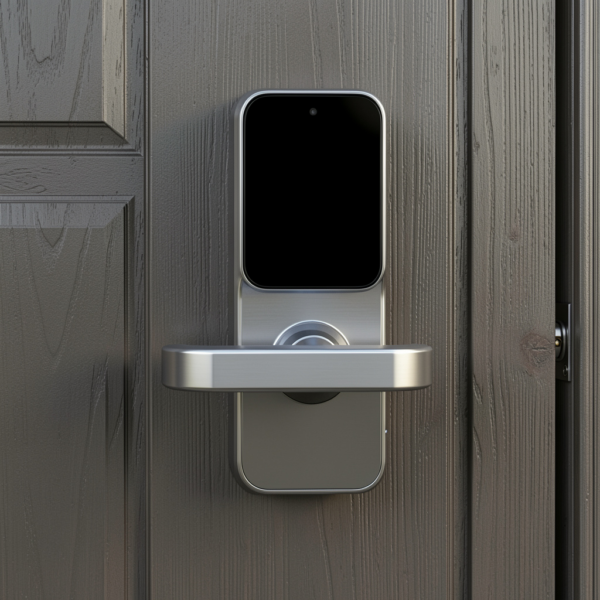
Comparing Offline and Online Smart Lock Experiences
While online features offer convenience, offline functionality ensures reliability.
Online systems provide:
- Remote control
- Notifications
- Integration with other devices
Offline systems provide:
- Immediate access
- Independence from networks
- Enhanced privacy
The best smart door locks combine both, offering flexibility depending on user needs.
Choosing the Right Smart Lock for Offline Performance
When selecting a Smart Lock, consider the following:
- Availability of multiple offline access methods
- Quality of biometric sensors and keypads
- Battery life and backup options
- Build quality and durability
- Security certifications and encryption
A well-designed smart door lock should perform flawlessly both online and offline.
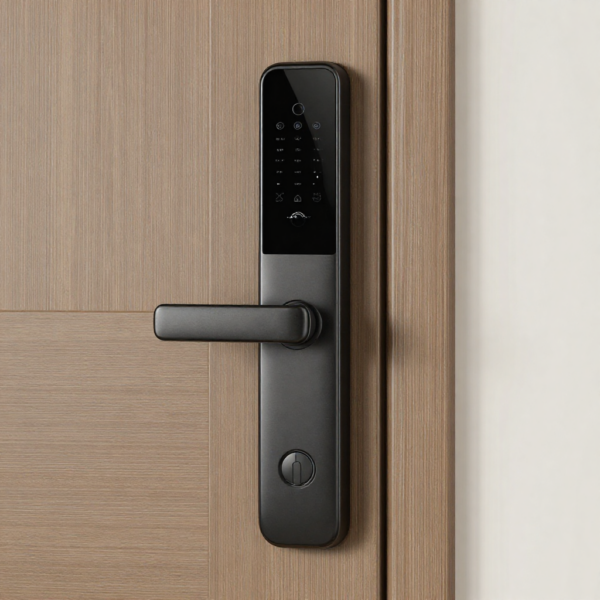
Installation and Setup for Offline Use
Proper installation is key to ensuring reliable performance.
Position the lock correctly to ensure smooth operation. Configure access methods such as PIN codes and fingerprints during setup.
Test all offline features to ensure they work as expected. Keep backup keys accessible but secure.
A well-installed Smart Lock will provide years of dependable service.
Maintenance Tips for Long-Term Reliability
To keep your smart door lock functioning optimally:
- Replace batteries regularly
- Update firmware when internet is available
- Clean sensors and keypads
- Review and manage user access
- Test offline functionality periodically
Regular maintenance ensures consistent performance and security.
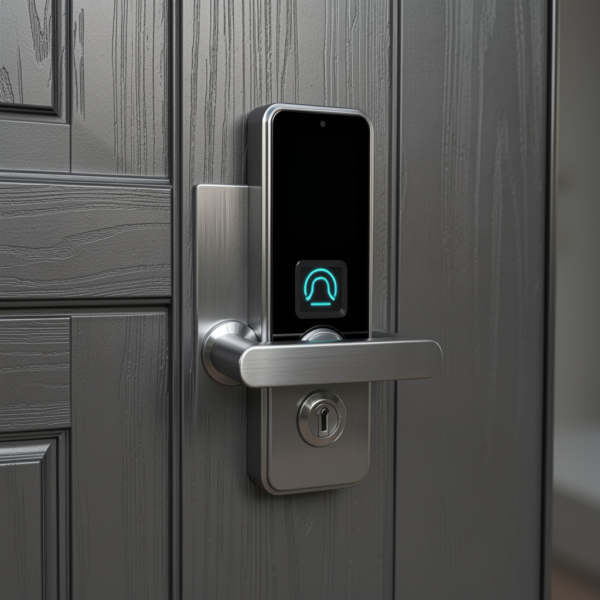
Future Innovations in Offline Smart Lock Technology
The future of Smart Lock technology is focused on greater independence and intelligence.
Advancements in edge computing will allow locks to make smarter decisions locally. AI integration will enable predictive security features.
Battery technology will improve, extending device lifespan. Decentralized systems may reduce reliance on cloud services entirely.
These innovations will make offline smart door locks even more powerful and reliable.
Conclusion: Smart Locks That Work Beyond Connectivity
A Smart Lock is not just about convenience—it is about dependable security. While internet connectivity enhances functionality, it is not essential for core operations.
Offline features such as PIN codes, biometrics, and Bluetooth ensure that users can always access their property, regardless of network conditions.
By choosing a smart door lock with strong offline capabilities, you gain the best of both worlds: advanced technology and reliable performance.
In the end, true smart security is not about constant connectivity—it is about consistency, control, and peace of mind.
Upgrade your home security with a reliable Smart Lock designed for convenience and protection.