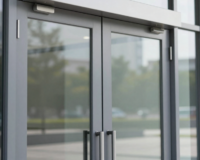
Shared spaces are redefining how people work, live, and interact. Offices are more flexible, gyms operate extended hours with minimal staff, and co-living spaces welcome a constantly changing flow of residents and guests. While these environments offer convenience and efficiency, they also introduce one major challenge: secure and manageable access control.
Traditional keys and mechanical locks simply cannot keep up with the demands of shared spaces. Lost keys, unauthorized duplication, difficult access management, and lack of visibility all create security and operational risks. This is why the Smart Lock has become a core technology for modern shared environments.
This buyer’s guide explores how intelligent locks are used in shared spaces such as offices, gyms, and co-living properties, explains the benefits and challenges, and provides a step-by-step framework for choosing the right intelligent lock solution.
What Is a Smart Lock?
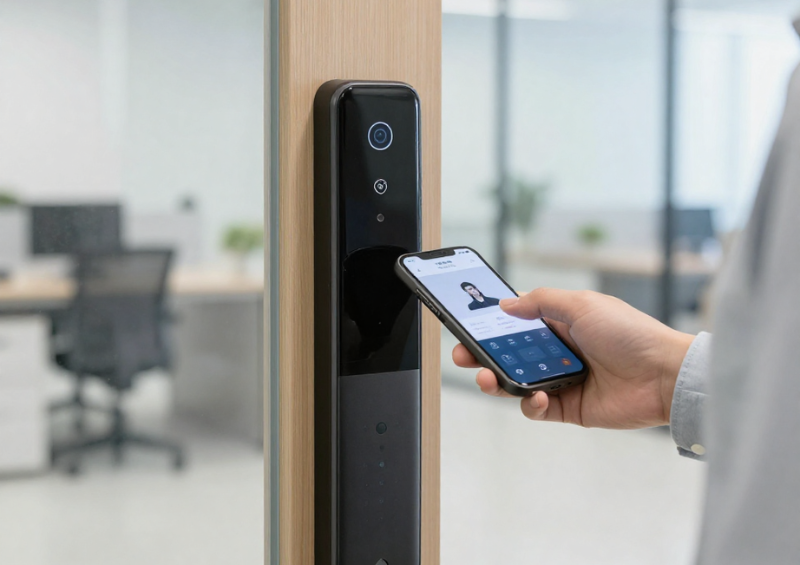
A Smart Lock is an electronic locking device that allows doors to be locked and unlocked without a traditional physical key. Instead, access is granted using digital credentials such as mobile apps, PIN codes, RFID cards, or biometric identifiers.
Intelligent Locks are typically connected to a centralized management platform, enabling administrators to control access remotely, issue or revoke credentials instantly, and monitor entry activity in real time.
For shared spaces, the ability to manage access dynamically is the single biggest advantage of using intelligent locks.
Why Shared Spaces Need Smart Locks
Shared environments are fundamentally different from single-user properties. Access needs change constantly, and security must be balanced with convenience.
Common access challenges in shared spaces include:
-
Frequent user turnover
-
Temporary or time-limited access requirements
-
High traffic volumes
-
Limited on-site staff
-
Need for audit trails and accountability
A intelligent lock addresses these challenges by replacing static keys with flexible digital access.
Smart Locks vs Traditional Locks in Shared Spaces
Traditional locks rely on physical keys, which are difficult to manage in environments where many people require access.
Keys can be lost, copied, or shared without authorization. Re-keying locks is costly and disruptive, especially in large facilities.
Intelligent Locks eliminate these issues by allowing access to be granted and revoked instantly, without changing hardware. For shared spaces, this flexibility is essential rather than optional.
How Smart Locks Work in Shared Environments
Smart locks operate using a combination of hardware, software, and connectivity.
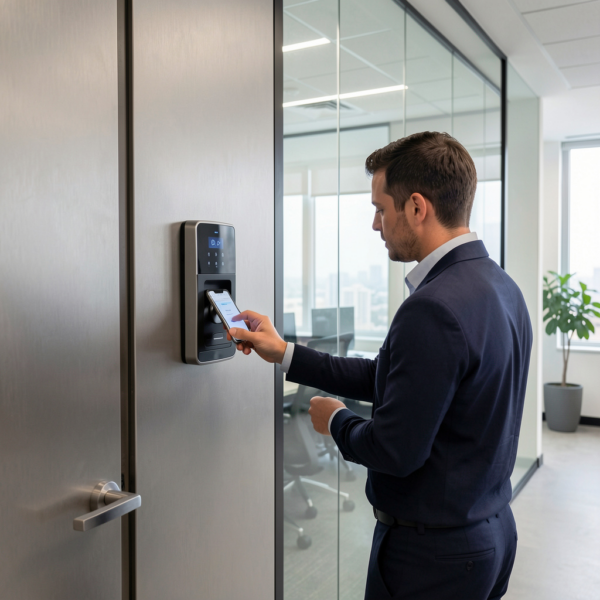
Users authenticate themselves using approved credentials. The intelligent lock verifies the credential and unlocks the door if access is permitted. All activity can be logged and reviewed by administrators.
In offices, gyms, and co-living spaces, intelligent locks are often integrated with access management software that allows centralized control over multiple doors and locations.
Smart Locks for Offices
Access Challenges in Modern Offices
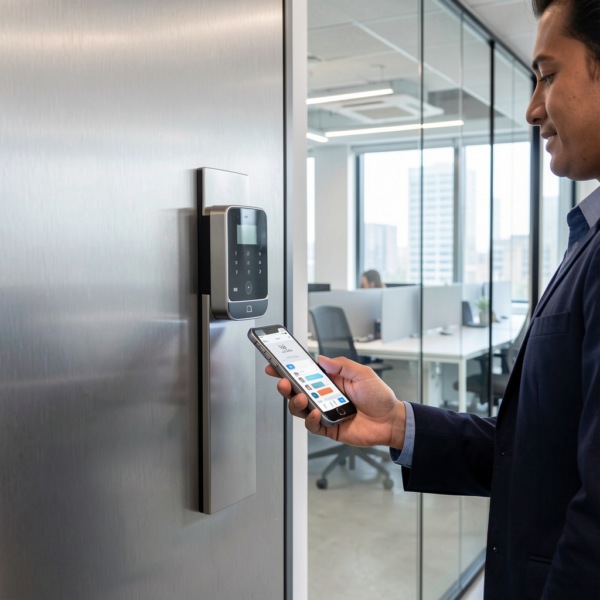
Modern offices often operate with hybrid work models, flexible schedules, and shared workspaces. Employees, contractors, and visitors may all require different levels of access.
Managing keys in such environments quickly becomes inefficient and insecure.
How Smart Locks Improve Office Access Management
A intelligent lock allows office administrators to:
-
Grant access based on roles or departments
-
Schedule access by time and day
-
Instantly revoke access for departing staff
-
Monitor entry activity for security and compliance
This level of control supports both security and operational efficiency.
Smart Locks and Workplace Security
Smart locks help reduce insider threats by limiting access to sensitive areas such as server rooms, executive offices, or document storage areas.
Audit logs provide visibility into who accessed which areas and when, supporting investigations and compliance requirements.
Smart Locks for Gyms and Fitness Facilities
Unique Access Needs in Gyms
Gyms often operate early mornings, late nights, or even 24/7. Staffing costs can be high, and access must be controlled without relying on front desk personnel at all times.
Members may have different access levels based on membership type, class schedules, or payment status.
How Intelligent Locks Enable Flexible Gym Access
Intelligent locks allow gym operators to:
-
Provide members with mobile or PIN-based access
-
Automatically enable or disable access based on membership status
-
Restrict access to certain areas or times
-
Operate unmanned or low-staff facilities
This flexibility supports modern fitness business models while maintaining security.
Reducing Unauthorized Entry and Tailgating
Intelligent Locks integrated with access policies and monitoring tools help reduce unauthorized access and misuse of facilities. Access logs also help resolve disputes and improve operational oversight.
Smart Locks for Co-Living Spaces
The Complexity of Co-Living Access
Co-living environments combine private living spaces with shared amenities. Residents may stay for weeks or months, and guests are common.
Managing physical keys in co-living spaces is particularly challenging due to frequent turnover and shared access points.
Why Smart Locks Are Ideal for Co-Living
A intelligent lock enables co-living operators to:
-
Issue digital keys to residents instantly
-
Set expiration dates for access
-
Manage guest access securely
-
Eliminate key handovers and re-keying
This not only improves security but also enhances the resident experience.
Improving Resident Satisfaction
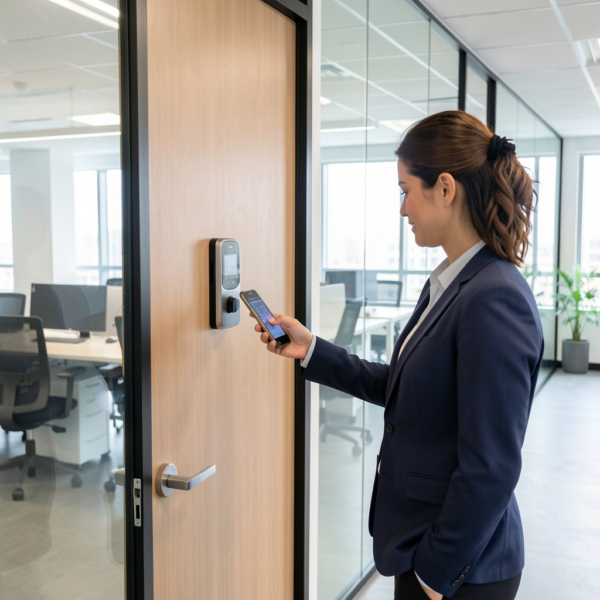
Residents value convenience and autonomy. Smart locks allow them to access their living spaces without keys, manage guest access through apps, and enjoy seamless entry to shared areas.
For operators, this translates into fewer support requests and smoother operations.
Key Benefits of Smart Locks for Shared Spaces
Centralized Access Control
Smart locks enable centralized management of access across multiple doors and locations. Administrators can manage permissions from a single platform.
Enhanced Security
Digital credentials are harder to duplicate than physical keys. Combined with access logs and monitoring, intelligent locks provide stronger security for shared spaces.
Operational Efficiency
Automated access management reduces administrative workload, eliminates manual key handling, and speeds up onboarding and offboarding processes.
Scalability
Smart lock systems scale easily as shared spaces grow. New users, doors, or locations can be added without major infrastructure changes.
Better User Experience
Keyless entry improves convenience for users while reducing friction and frustration.
Types of Smart Locks for Shared Spaces
PIN Code Smart Locks
PIN-based intelligent locks are popular in gyms and co-living spaces. Codes can be issued, changed, or revoked easily.
RFID and Card-Based Smart Locks
RFID intelligent locks are commonly used in offices. They integrate well with existing access card systems.
Mobile App-Based Intelligent Locks
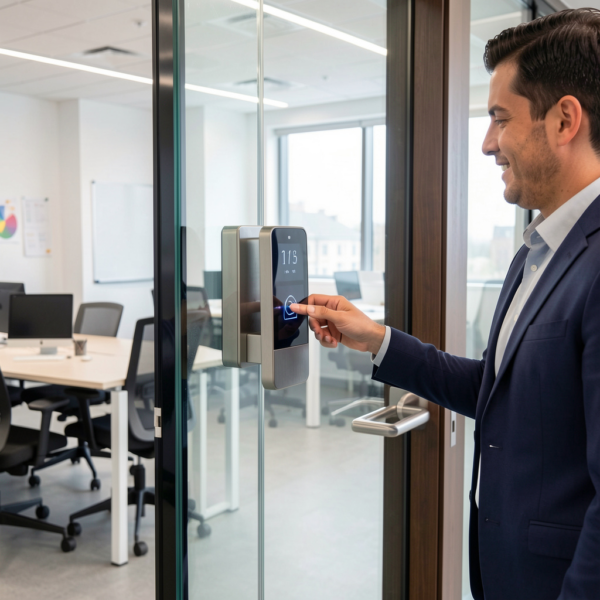
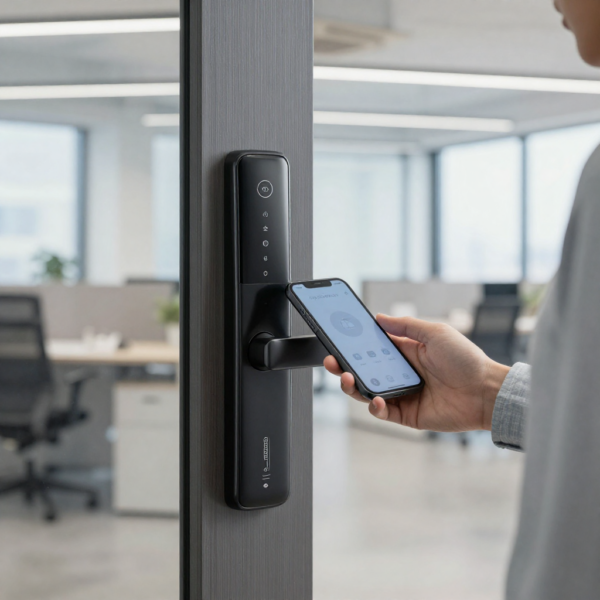
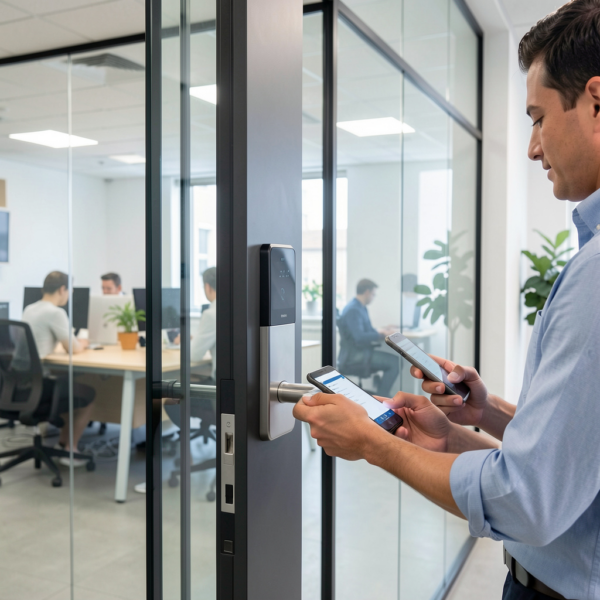
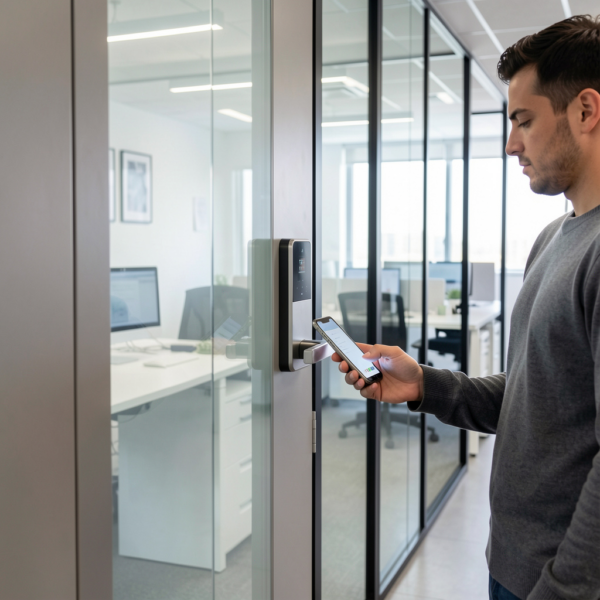
Mobile intelligent locks use smartphones as credentials. These are increasingly popular due to convenience and flexibility.
Biometric Intelligent Locks
Biometric intelligent locks offer high security by using fingerprints or facial recognition. They are often used in restricted areas rather than general shared access.
Buyer’s Guide: How to Choose the Right Intelligent Lock
Understand Your Use Case
Different shared spaces have different requirements. Offices, gyms, and co-living spaces each demand specific access policies and user experiences.
Consider User Volume and Turnover
High-turnover environments benefit most from intelligent locks that support easy credential management and automation.
Evaluate Connectivity and Reliability
Smart locks may use Wi-Fi, Bluetooth, or wired connections. Reliability is critical, especially in high-traffic shared spaces.
Look for Centralized Management Software
The value of a intelligent lock increases significantly when paired with robust management software that provides visibility and control.
Prioritize Security and Data Protection
Choose intelligent locks that support encryption, secure authentication, and role-based access management.
Plan for Integration
Intelligent Locks should integrate with other systems such as access control platforms, building automation, or membership management software.
Common Mistakes When Buying Smart Locks
One common mistake is choosing consumer-grade intelligent locks for commercial shared spaces. These products often lack durability, scalability, and centralized management features.
Another mistake is underestimating the importance of user training and policy design. Even the best intelligent lock requires proper configuration to deliver its full benefits.
Cost Considerations for Smart Locks
The cost of intelligent locks varies based on hardware type, software licensing, installation, and ongoing management.
While intelligent locks may cost more upfront than traditional locks, they often reduce long-term costs by eliminating re-keying, improving efficiency, and reducing security incidents.
For shared spaces, the return on investment is typically strong.
Installation and Deployment Considerations
Professional installation ensures that intelligent locks are aligned correctly, configured securely, and integrated with management systems.
In shared environments, downtime must be minimized, making planning and staged deployment important.
Maintenance and Ongoing Management
Smart locks require periodic updates, battery replacement, and system monitoring.
A well-designed intelligent lock solution includes tools for diagnostics, alerts, and remote management to minimize maintenance effort.
Future Trends in Intelligent Locks for Shared Spaces
Smart locks are evolving rapidly. Trends include mobile-first access, cloud-based management, and deeper integration with smart building systems.
As shared spaces continue to grow, intelligent locks will play an increasingly central role in access management and security strategy.
Final Thoughts: Are Smart Locks Worth It for Shared Spaces?
For offices, gyms, and co-living environments, a Smart Lock is no longer a luxury—it is a necessity.
Smart locks provide the flexibility, security, and efficiency required to manage shared access effectively. They reduce operational burden, improve user experience, and support modern business models.
By choosing the right intelligent lock solution, shared space operators can protect their assets, streamline operations, and deliver a better experience for users.
Ready to simplify access and improve security? 👉 Buy a smart lock designed for shared spaces.