

In the modern business landscape, sustainability is no longer a secondary concern—it is a core strategic priority. Organizations are being held accountable not only for financial performance but also for their environmental impact, social responsibility, and governance standards. At the same time, rapid technological innovation is reshaping how companies operate.
At the intersection of these two trends lies Smart Automation Solutions—a transformative approach that enables organizations to align operational efficiency with ESG (Environmental, Social, and Governance) objectives. By leveraging intelligent technologies, companies can automate processes, reduce waste, improve transparency, and make data-driven decisions that support long-term sustainability.
Smart automation is not simply about replacing manual work with machines. It is about creating systems that can think, learn, and adapt—systems that enable businesses to operate more responsibly and sustainably. As ESG expectations continue to rise globally, Smart Automation Solutions are becoming a critical enabler of sustainable growth.
What Are Smart Automation Solutions?
Smart Automation Solutions refer to the integration of advanced digital technologies—such as Artificial Intelligence (AI), Machine Learning (ML), Robotic Process Automation (RPA), and the Internet of Things (IoT)—to automate processes intelligently and efficiently.
Unlike traditional automation, which focuses primarily on repetitive, rule-based tasks, smart automation introduces cognitive capabilities. These systems can analyze large datasets, recognize patterns, predict outcomes, and make decisions in real time. This makes them particularly valuable in complex environments where sustainability goals require continuous monitoring and optimization.
For example, a smart automation system in a manufacturing plant can monitor energy usage, detect inefficiencies, and automatically adjust operations to reduce consumption. In finance, automation can track ESG metrics, generate compliance reports, and flag potential risks—all without manual intervention.
Ultimately, Smart Automation Solutions empower organizations to move from reactive to proactive sustainability management.
Understanding ESG and Its Strategic Importance
ESG stands for Environmental, Social, and Governance—a framework used to evaluate a company’s impact and ethical performance.
The environmental pillar focuses on how organizations manage natural resources, reduce emissions, and minimize ecological damage. The social pillar addresses how companies treat employees, customers, and communities, including issues such as diversity, labor practices, and human rights. Governance involves leadership, transparency, compliance, and ethical business conduct.
ESG is no longer optional. Investors increasingly use ESG criteria to guide investment decisions, regulators are introducing stricter sustainability requirements, and consumers are favoring brands that demonstrate responsibility and transparency.
In this context, Smart Automation Solutions provide the infrastructure needed to measure, manage, and improve ESG performance at scale.
The Role of Smart Automation in ESG Strategies
Smart Automation Solutions play a central role in operationalizing ESG strategies. While many organizations have sustainability goals, the challenge lies in execution—collecting accurate data, tracking performance, and implementing improvements consistently.
Automation addresses these challenges by embedding ESG into daily operations. It enables real-time data collection, automated analysis, and continuous optimization. This ensures that sustainability is not treated as a one-time initiative but as an ongoing, measurable process.
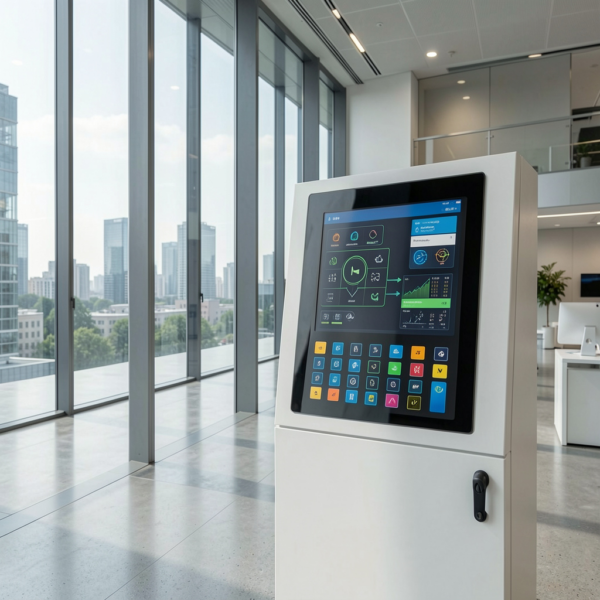
For instance, automated dashboards can provide real-time insights into energy usage, emissions, and resource consumption. AI-driven analytics can identify inefficiencies and recommend improvements. Automated workflows ensure that compliance requirements are consistently met.
By integrating Smart Automation Solutions into ESG strategies, organizations can bridge the gap between ambition and action.
Environmental Impact: Driving Green Transformation
One of the most significant benefits of Smart Automation Solutions is their ability to support environmental sustainability.
Automation enables organizations to optimize energy consumption by analyzing usage patterns and adjusting operations dynamically. Smart grids, automated lighting systems, and AI-driven HVAC controls are examples of how technology can reduce energy waste.
In manufacturing, automation improves precision, reducing material waste and minimizing defects. Predictive maintenance systems can identify equipment issues before they lead to breakdowns, preventing unnecessary resource consumption.
In logistics, smart routing algorithms reduce fuel consumption by optimizing delivery routes. This not only lowers operational costs but also significantly reduces carbon emissions.
Furthermore, Smart Automation Solutions enable real-time tracking of environmental metrics, allowing organizations to monitor their carbon footprint and take corrective actions quickly.
Social Impact: Empowering People and Communities
While automation is often associated with efficiency, its social impact is equally important.
Smart Automation Solutions can enhance employee experience by eliminating repetitive and time-consuming tasks. This allows employees to focus on more strategic, creative, and meaningful work. As a result, job satisfaction and productivity increase.
Automation also improves workplace safety. Robots and automated systems can handle hazardous tasks, reducing the risk of accidents and injuries. Sensors and monitoring systems can detect unsafe conditions and trigger alerts in real time.
In terms of diversity and inclusion, AI-driven tools can help reduce bias in recruitment and decision-making processes. By standardizing evaluations and focusing on data-driven insights, organizations can create more equitable opportunities.
Beyond the workplace, automation can support community development by enabling more efficient resource allocation and improving access to services.

Governance: Enhancing Transparency and Accountability
Governance is a critical component of ESG, and Smart Automation Solutions significantly strengthen an organization’s governance framework.
Automation ensures that processes are consistent, transparent, and traceable. Automated compliance systems can monitor regulatory changes, update policies, and generate reports without manual intervention. This reduces the risk of errors and ensures that organizations remain compliant with evolving regulations.
Data transparency is another key benefit. Real-time dashboards provide stakeholders with clear visibility into operations and performance. This enhances trust and accountability.
Automation also plays a vital role in risk management. AI-powered systems can analyze large volumes of data to detect anomalies, identify potential risks, and provide early warnings. This enables organizations to take proactive measures and avoid costly disruptions.
Key Technologies Behind Smart Automation Solutions
The effectiveness of Smart Automation Solutions depends on a combination of advanced technologies.
Artificial Intelligence enables systems to make intelligent decisions based on data. Machine Learning allows these systems to improve over time by learning from past experiences. Robotic Process Automation handles repetitive tasks quickly and accurately.
The Internet of Things connects devices and sensors, providing real-time data that feeds into automation systems. Cloud computing offers scalable infrastructure, enabling organizations to deploy automation solutions across multiple locations and systems.
Together, these technologies create a powerful ecosystem that supports both operational efficiency and sustainability.
Industry Applications of Smart Automation Solutions
Smart Automation Solutions are being adopted across a wide range of industries to support ESG initiatives.
In manufacturing, smart factories use automation to reduce energy consumption, minimize waste, and improve efficiency. In finance, automation streamlines ESG reporting, enhances compliance, and supports sustainable investment strategies.
Healthcare organizations use automation to optimize resource allocation, improve patient outcomes, and reduce operational inefficiencies. In logistics, smart automation enables real-time tracking, route optimization, and inventory management.
Each of these applications demonstrates how automation can drive both business performance and sustainability outcomes.
Benefits of Smart Automation Solutions for ESG
Integrating Smart Automation Solutions into ESG strategies offers numerous advantages.
Organizations can achieve cost savings through improved efficiency and reduced resource consumption. Automation enhances accuracy and consistency, reducing the risk of errors and compliance issues.
It also strengthens brand reputation, as stakeholders increasingly value transparency and sustainability. Companies that demonstrate a commitment to ESG are more likely to attract investors, customers, and talent.
Additionally, automation provides valuable data insights, enabling organizations to make informed decisions and continuously improve their sustainability performance.
Challenges in Adopting Smart Automation
Despite its benefits, implementing Smart Automation Solutions is not without challenges.
The initial investment in technology and infrastructure can be substantial. Organizations must also address data privacy and cybersecurity concerns, as automation systems rely heavily on data.
Workforce adaptation is another critical factor. Employees need to develop new skills to work effectively with automated systems. Resistance to change can also pose challenges.
Integration with legacy systems can be complex, requiring careful planning and execution. Organizations must take a strategic approach to overcome these challenges and maximize the value of automation.
Best Practices for Successful Implementation
To successfully implement Smart Automation Solutions, organizations should align their automation initiatives with ESG objectives.
Starting with pilot projects allows companies to test solutions and demonstrate value before scaling. Investing in employee training ensures a smooth transition and helps build a digitally skilled workforce.
Organizations should also leverage data analytics to continuously monitor and improve automation performance. Collaboration across departments is essential to ensure alignment and maximize impact.
A clear roadmap, strong leadership support, and a focus on long-term value are key to successful implementation.

Measuring ESG Performance with Automation
Measuring the impact of Smart Automation Solutions is essential for achieving sustainability goals.
Organizations should track key ESG metrics such as energy consumption, carbon emissions, waste reduction, employee productivity, and compliance performance. Automation makes it easier to collect, analyze, and report this data in real time.
By continuously monitoring these metrics, organizations can identify areas for improvement and ensure that their ESG strategies remain effective.
Future Trends in Smart Automation and Sustainability
The future of Smart Automation Solutions in ESG strategies is shaped by emerging technologies and evolving expectations.
AI-driven sustainability analytics will provide deeper insights into environmental impact. Autonomous operations will become more common, particularly in manufacturing and logistics.
Digital twins will enable organizations to simulate and optimize processes before implementation. Green AI initiatives will focus on reducing the energy consumption of technology itself.
Blockchain technology will enhance transparency in ESG reporting, ensuring data integrity and trust.
These trends highlight the growing importance of automation in building a sustainable future.
Conclusion: A Smarter Path to Sustainable Growth
Smart Automation Solutions are transforming the way organizations approach ESG and sustainability. By integrating advanced technologies into their operations, companies can achieve greater efficiency, transparency, and environmental responsibility.
As ESG continues to shape the future of business, automation will play an increasingly critical role in enabling organizations to meet their goals. Those that embrace Smart Automation Solutions will not only enhance their sustainability performance but also gain a competitive advantage in a rapidly changing world.
The journey toward sustainability is complex, but with the right tools and strategies, it is both achievable and rewarding. Smart automation is not just a technological upgrade—it is a smarter path to a more sustainable and resilient future.