Choosing the right gate system is a critical decision for residential, commercial, and industrial properties. A well-selected gate improves security, enhances convenience, and complements the overall design of your entrance. Among the most popular options for automated access control are sliding gates and cantilever gates. While they may look similar at first glance, the way they operate, the installation requirements, and their long-term performance can be very different.
This buyer’s guide provides a detailed, practical comparison of sliding gate automation systems versus cantilever gate systems. It explains how each type works, their advantages and limitations, installation differences, and which solution is best suited for specific site conditions. If you are planning a new automated gate or upgrading an existing one, this guide will help you make an informed decision.
Understanding sliding gate automation
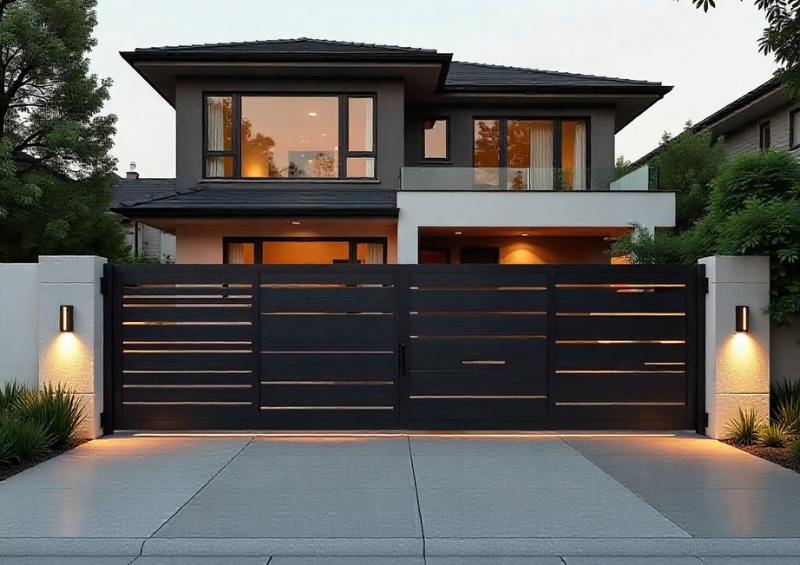
Sliding gate automation refers to a motorized system that opens and closes a gate by sliding it horizontally along a track. The gate typically moves parallel to a fence line or wall and is guided by a ground-mounted rail.
In a standard sliding gate setup, the gate rests on wheels that roll along a steel track fixed to a concrete foundation. A gate motor drives the movement, and safety accessories such as photocells and limit switches ensure controlled operation.
Sliding gate automation is widely used because of its mechanical simplicity and ability to support heavy gates. It is commonly seen in residential driveways, industrial facilities, warehouses, and commercial sites.
Understanding cantilever gate systems
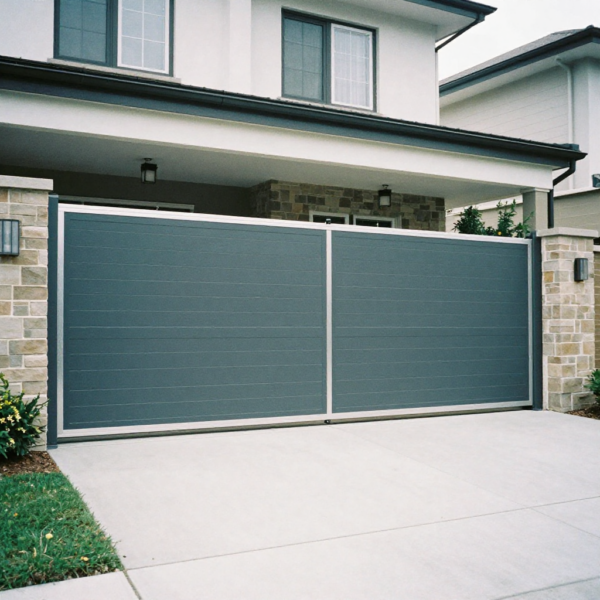
A cantilever gate is a type of sliding gate that does not require a ground track. Instead of rolling along a rail, the gate is suspended and supported by rollers mounted on posts at one side of the opening.
The gate panel extends beyond the clear opening, creating a counterbalance that allows it to “float” above the ground as it opens and closes. This design eliminates the need for a track across the driveway.
Cantilever gate systems are often chosen for locations where ground conditions are unsuitable for tracks, such as uneven surfaces, gravel driveways, or areas prone to debris buildup.
How sliding gate automation works in practice
In a typical sliding gate automation system, the motor is installed near the gate track and engages with a rack mounted along the gate. When activated, the motor turns a gear that moves the gate smoothly along the rail.
The gate’s weight is transferred directly to the track and foundation, which means the concrete base must be properly designed to handle both static and dynamic loads. Good alignment is essential for smooth operation and reduced wear.
Because the gate rolls on the ground, sliding gate automation relies heavily on clean, stable track conditions for long-term reliability.
How cantilever gate systems operate
Cantilever gate systems rely on a different mechanical principle. The gate is supported by roller assemblies fixed to posts, usually installed on a concrete foundation beside the driveway.
As the motor drives the gate, it glides through the rollers without touching the ground. The extended tail of the gate balances the weight of the opening section, keeping the gate stable during movement.
This design allows cantilever gates to operate reliably even when the ground beneath the gate is uneven, muddy, or obstructed.
Key differences between sliding and cantilever gate automation
Although both systems fall under sliding gate automation, their structural and operational differences have a significant impact on installation, maintenance, and performance.
A standard sliding gate requires a continuous, level track across the opening. A cantilever gate requires additional space to accommodate the counterbalance section and a stronger supporting structure at one side.
These differences influence not only the initial installation cost but also long-term usability and suitability for different environments.
Pros of sliding gate automation
One of the biggest advantages of sliding gate automation is its simplicity. The design is straightforward, making it easier to manufacture, install, and automate.
Sliding gates can support very heavy gate panels, which makes them ideal for industrial and high-security applications. Because the gate weight is distributed along the track, the motor does not need to counterbalance the load.
Another advantage is space efficiency along the fence line. Sliding gates typically require less side clearance than cantilever gates, making them suitable for narrower properties.
Cons of sliding gate automation
The main drawback of sliding gate automation is its reliance on a ground track. Tracks can collect dirt, leaves, stones, and ice, which may obstruct movement if not maintained.
In regions with heavy rainfall, snow, or dust, track maintenance becomes a regular requirement. Poor drainage or uneven settlement can cause misalignment, leading to increased wear on wheels and motors.
Sliding gates also require a solid, level foundation along the entire gate path, which can increase installation complexity in some environments.
Pros of cantilever gate systems
Cantilever gates excel in challenging ground conditions. Because there is no track on the driveway, they are less affected by debris, snow, or surface irregularities.
This makes cantilever gate systems particularly attractive for rural properties, gravel driveways, industrial yards, and locations with poor drainage.
Cantilever gates often provide smoother operation over time because there is no rolling contact with the ground. This can reduce wear and extend the lifespan of certain components.
Cons of cantilever gate systems
The most notable disadvantage of cantilever gates is their space requirement. The gate must extend beyond the opening by a significant margin to create the counterbalance, which means more lateral space is needed.
Cantilever gate systems also require stronger supporting structures and heavier frames. This can increase material costs and place greater demands on the foundation.
Because of their more complex structure, cantilever gates are typically more expensive than standard sliding gate automation systems.
Installation differences: foundation and structure
Installation is one of the biggest points of difference between sliding and cantilever gate systems.
Sliding gate automation requires a continuous concrete foundation for the track. This foundation must be level and properly aligned to ensure smooth gate movement. Any error in installation can affect performance.
Cantilever gate systems require a robust concrete base at the support posts. This foundation must handle the entire weight of the gate and counterbalance. While the foundation is localized, it must be engineered correctly to prevent movement or settling.
Installation differences: space and layout
Space planning is critical when choosing between the two systems.
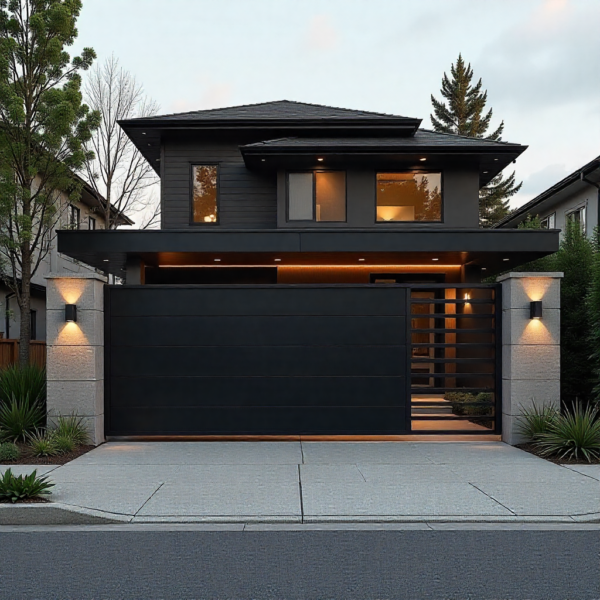
Sliding gates require enough space for the gate to slide open along the fence line. Cantilever gates require additional space beyond that to accommodate the counterbalance section.
In tight urban properties, sliding gate opener may be the only feasible option. In larger properties, the extra space required by cantilever gates may not be an issue.
Installation differences: automation and hardware
From an automation perspective, both systems use similar gate motors, control boards, and safety devices. However, cantilever gates often require higher-quality rollers and stronger gate frames.
Motor selection must consider gate weight, length, and duty cycle. Cantilever gates typically exert more load on the supporting structure, which can influence motor choice.
Professional installation is strongly recommended for both systems, especially when automation is involved.
Maintenance considerations for sliding gate automation
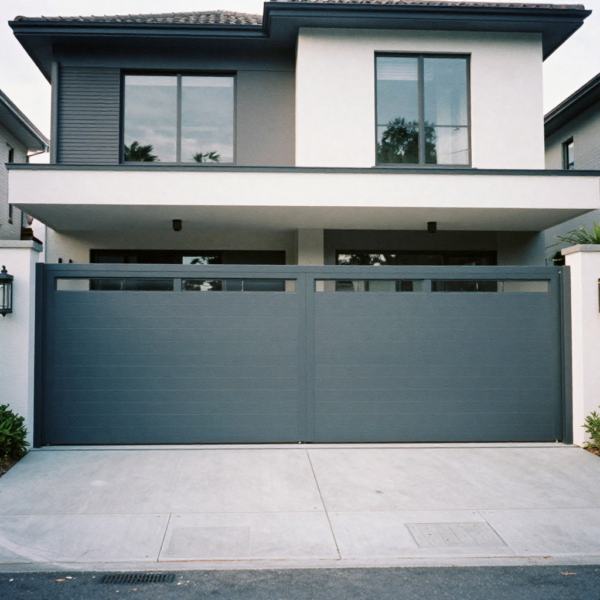
Maintenance for sliding gate automation focuses primarily on the track and wheels. Keeping the track clean and free of obstructions is essential.
Periodic inspection of wheels, rack alignment, and motor mounting helps prevent premature wear. In environments with heavy debris, maintenance frequency may be higher.
When properly maintained, sliding gate systems can operate reliably for many years.
Maintenance considerations for cantilever gates
Cantilever gate maintenance is generally focused on rollers, bearings, and structural components.
Because there is no ground track, there is less risk of debris-related issues. However, roller assemblies must be inspected regularly to ensure they remain aligned and lubricated.
Structural integrity is especially important for cantilever systems, as any movement in the support posts can affect operation.
Safety and automation features
Both sliding and cantilever gate systems can be equipped with modern safety and automation features.
Photocells, safety edges, loop detectors, and emergency stop functions are commonly used to prevent accidents and protect vehicles and pedestrians.
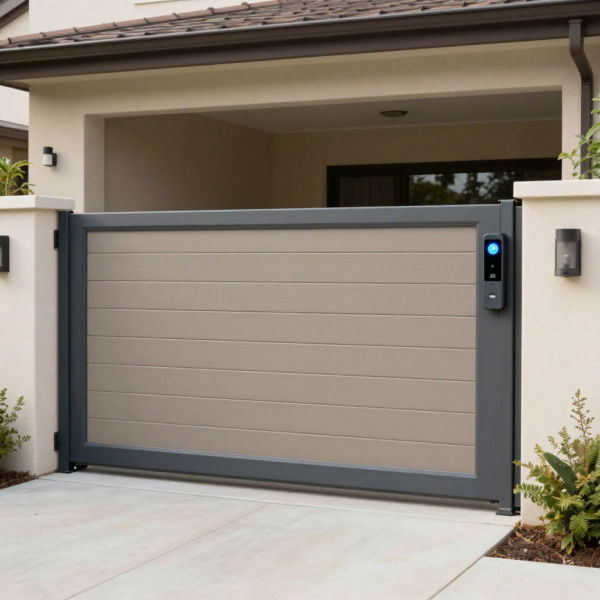
Sliding gate automation systems and cantilever gates alike can integrate with access control systems, remote controls, keypads, and smart automation platforms.
Aesthetic and design considerations
From a visual perspective, both gate types can be designed to suit a wide range of architectural styles.
Sliding gates often appear more compact, while cantilever gates may have a more substantial appearance due to their extended frame.
Design choices should balance aesthetics with functional requirements such as space, security level, and site conditions.
Cost comparison and long-term value
Initial costs for sliding gate automation are generally lower due to simpler construction and installation.
Cantilever gate systems often involve higher upfront costs because of additional materials, structural requirements, and installation complexity.
However, in environments where track maintenance would be difficult or costly, cantilever gates may offer better long-term value.
Which system is right for your property
Choosing between sliding gate automation and a cantilever gate system depends on several factors.
Properties with flat, stable ground and limited side space often benefit from sliding gate automation. Locations with uneven terrain, heavy debris, or poor drainage may be better suited to cantilever gates.
Security requirements, usage frequency, and budget also play a role in the decision.
Common buyer mistakes to avoid
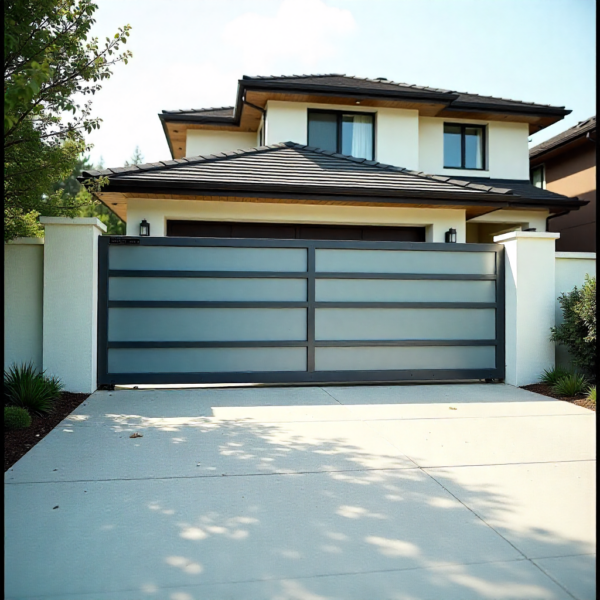
A common mistake is choosing a system based solely on initial cost without considering site conditions and maintenance needs.
Another mistake is underestimating space requirements, particularly for cantilever gate systems.
Failing to plan for automation, safety accessories, and future upgrades can also lead to dissatisfaction over time.
Working with professionals for best results
Both sliding and cantilever gate systems benefit from professional design and installation.
Experienced installers can assess site conditions, recommend suitable automation solutions, and ensure compliance with safety standards.
This upfront investment often results in better performance, reduced maintenance issues, and longer system lifespan.
Final thoughts on sliding gate vs cantilever gate automation
Both sliding gates and cantilever gates are proven solutions within the world of sliding gate automation. Each system has its strengths and limitations, and neither is universally better than the other.
Sliding gate automation offers simplicity, cost efficiency, and suitability for many standard applications. Cantilever gate systems provide superior performance in challenging environments where ground tracks are impractical.
By understanding how each system works, their installation differences, and long-term implications, buyers can confidently select the gate solution that best meets their needs, budget, and site conditions.