Designing a resident and visitor flow gated community system is not just about a gate and an intercom. As communities are large, developers and property managers must carefully consider how different users move in and out of the property every day. The system should handle busy morning commutes and frequent delivery drop-offs. Then, traffic flow plays a crucial role in both security and resident satisfaction.
Effective resident and visitor flow gated community access planning ensures that residents enjoy fast, hassle-free access while visitors are processed securely. By combining thoughtful layout design with modern automation technologies such as smart gates and integrated intercom systems, gated communities can balance between convenience and control.
Understanding the Different User Groups and Their Needs
Before designing any resident and visitor flow gated community system, it’s essential to understand who will be using it. Each group interacts with the entry system differently, and their needs should shape how access is designed and managed.
- Residents (frequent, fast access)
Residents use the residential access design system daily, often multiple times a day. They expect quick, frictionless access without delays or unnecessary steps. Technologies such as remote controls, RFID tags, mobile apps, or license plate recognition allow residents to enter seamlessly without stopping. Any delays in resident access can quickly lead to frustration, especially during peak hours.
- Visitors and Guests (controlled, temporary access)
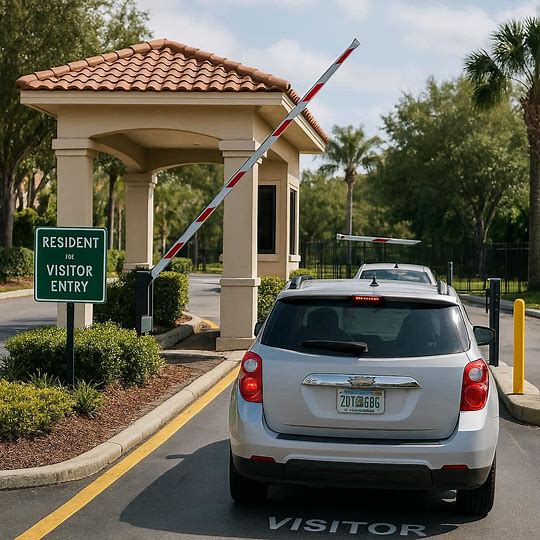
Visitors require a more controlled process to maintain security. Whether it’s friends, family, or short-term guests, their access should be verified before entry. This is typically handled through intercom systems, mobile-based approvals, or pre-authorised access codes. The goal is to maintain security for the visitor gate system without causing long wait times.
- Service Providers (scheduled or recurring access)
Service providers such as cleaners, gardeners, and maintenance staff often require regular access at specific times. A well-designed resident and visitor flow gated community system enables time-based permissions, allowing them to enter during approved windows without needing manual approval each time.
- Delivery Drivers (high frequency, short duration)
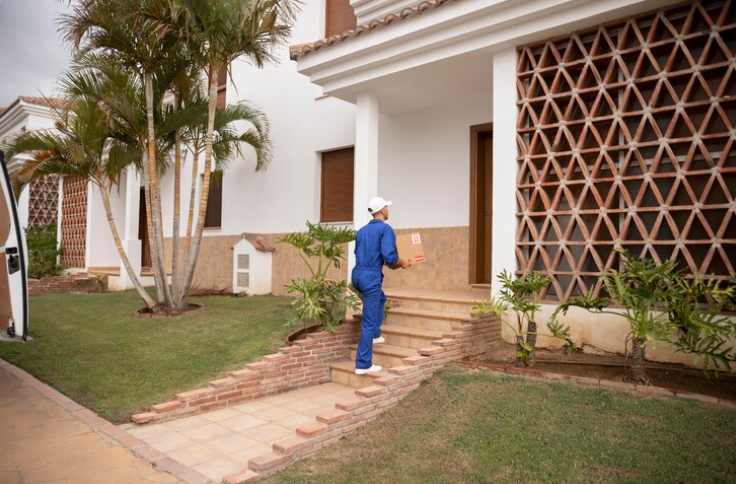
With the rise of e-commerce and food delivery services, delivery drivers are now one of the most frequent users of gated community entry points. They need fast, efficient access to avoid congestion. Systems that enable quick verification or temporary access codes can significantly reduce delays.
- Emergency Services (priority override access)
Emergency services must always have immediate and unrestricted access. This requires fail-safe mechanisms, such as override controls or automatic-opening features that activate during emergencies. Ensuring this capability is critical for safety and compliance.
Common Flow Challenges in Resident and Visitor Flow Gated Community Access Design
Even well-intentioned systems can struggle if the resident and visitor flow gated community design isn’t carefully planned. Several common challenges can disrupt traffic and reduce efficiency.
- Single-lane entry congestion
When residents, visitors, and service vehicles all share a single entry lane, congestion is almost inevitable. During peak hours, queues can build quickly, leading to delays and frustration. This also poses a risk to emergency vehicles that require immediate access.
- Manual verification delays
Systems that rely solely on intercom-based verification can slow down entry, particularly when residents are unavailable to respond. This leads to vehicles waiting at the gate, increasing congestion and reducing overall efficiency.
- Mixed traffic without separation
Combining all traffic types into one lane creates inefficiencies. Residents who should have fast access are forced to wait behind visitors undergoing verification, undermining the purpose of an automated system.
- Lack of staging areas for visitors
Without designated waiting zones, visitor vehicles may stop at the gate while awaiting approval, blocking other vehicles. This is especially problematic in high-density communities where traffic flow is constant.
- Poor integration between systems
Disconnected systems – such as separate gate motors, intercoms, and access controls – can lead to inconsistent performance. Lack of integration reduces automation capabilities and increases the likelihood of errors or delays.
Designing Smarter Access: Core Principles for Smooth Flow
Creating an efficient resident and visitor flow gated community setup starts with a design-first mindset. Rather than focusing solely on individual components, it’s important to consider how the entire system works together to manage movement and access.
One of the most important principles is the separation of traffic types. Residents, visitors, and service providers all have different access requirements, and designing dedicated lanes or pathways for each group can significantly improve efficiency. For example, a fast lane for residents using automated access systems can reduce congestion, while a separate lane for visitors allows time for verification without disrupting others.
Automation plays a central role in reducing friction. Smart gate operators, integrated intercom systems, and mobile-based access solutions eliminate the need for manual intervention, speeding up entry and reducing human error. This is particularly important in larger communities where manual processes simply cannot keep up with demand.
Scalability is another key consideration. As communities grow, the volume of traffic increases. A well-designed system should be able to handle future expansion, whether that means adding more residents, accommodating more deliveries, or integrating with additional smart technologies.
Safety must also be prioritised. Clear visibility at entry points, well-marked lanes, and fail-safe mechanisms ensure that the system remains safe for all users. Emergency override features are especially critical, ensuring that access is never delayed in urgent situations.
Finally, integration is essential. Combining gate automation, intercom systems, and access control into a unified platform ensures consistent performance and easier management. Solutions from Beninca and Nice offer integrated systems that support seamless operation, making them ideal for modern resident and visitor flow gated community environments.

Smart Gate and Intercom Solutions to Optimise Flow
Technology is the backbone of any efficient resident and visitor flow gated community system. With the right solutions in place, communities can significantly improve both convenience and security.
- Automated gate operators (Beninca / Nice): High-quality gate operators provide fast, reliable opening and closing. Whether triggered by remote controls, sensors, or mobile apps, these systems ensure consistent performance and minimise delays at entry points.
- Integrated video intercom systems: Modern intercoms allow residents to see and communicate with visitors remotely via their smartphones. This eliminates the need to be physically present at home to grant access, speeding up visitor processing and improving convenience.
- Pre-authorised visitor access (PIN / QR / mobile): Pre-approved access methods allow residents to grant guests entry in advance. Visitors can use a PIN code, QR code, or mobile credential to enter, reducing reliance on real-time approvals and minimising wait times.
- License plate recognition (LPR): LPR systems automatically identify registered vehicles and grant access without requiring any manual input. This is particularly effective for residents and frequent visitors, enabling a completely hands-free entry experience.
- Time-based access control: For service providers and recurring visitors, time-based permissions ensure that access is granted only during approved hours. This enhances security while maintaining convenience for regular users.
- Multi-lane entry systems: Separating resident and visitor traffic into multiple lanes is one of the most effective ways to optimise flow. Residents can use a fast lane with automated access, while visitors are directed to a separate lane for verification.
Designing Entry Points for Real-World Traffic Scenarios
A successful resident and visitor flow gated community design must account for real-world usage patterns. Traffic is rarely consistent, and entry systems must handle fluctuations throughout the day.
Morning and evening peak hours are the most obvious challenges. During these times, a high volume of residents enter or leave the community simultaneously. Without efficient systems in place, congestion can quickly build. Fast access solutions such as LPR or RFID tags are essential for maintaining flow during these periods.
Delivery traffic has also become a major factor. With the growth of online shopping and food delivery services, entry points must handle a steady stream of short-term visitors. Systems that allow quick verification or temporary access codes can help prevent bottlenecks.
Weekends and special events often bring an increase in visitor traffic. Whether it’s guests attending gatherings or community events, the system must handle these spikes without compromising efficiency.
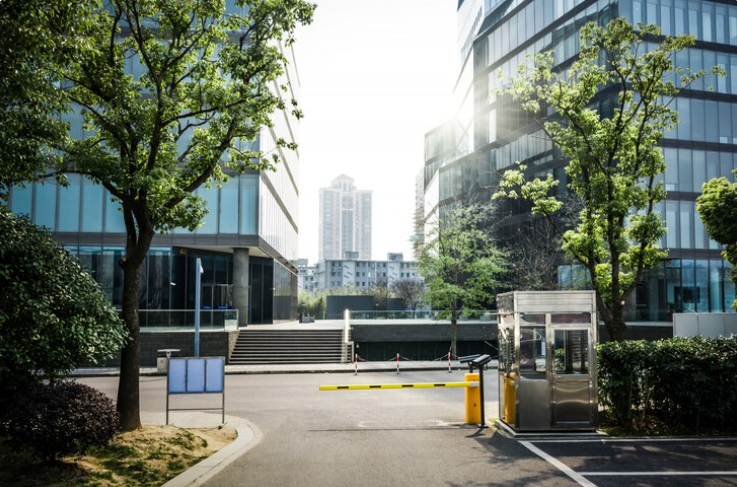
Physical design plays a crucial role here. Clearly marked entry and exit lanes, adequate space for vehicle queuing, and proper signage all contribute to smoother traffic flow. When combined with smart automation technologies, these design elements create a system that can adapt to changing conditions.
Connecting Access Systems with Broader Smart Community Technology
Modern gated communities are increasingly adopting integrated smart systems, and access control is a key part of this ecosystem. A well-designed resident and visitor flow gated community solution should integrate seamlessly with other security and automation technologies.
Integration with CCTV systems allows for real-time monitoring of entry points, enhancing security and providing valuable footage when needed. Alarm systems can also be linked to access control, ensuring coordinated responses in case of security incidents.
Centralised control platforms make it easier to manage and monitor access. Property managers can track entry activity, adjust permissions, and respond to issues from a single interface. This level of control is especially valuable in larger communities.
Data insights are another major benefit. By analysing traffic patterns and peak usage times, communities can continuously optimise their systems. This data-driven approach helps identify bottlenecks and improve overall efficiency.
Interoperability is also important. Systems that support technologies such as Z-Wave, KNX, and Wi-Fi can integrate with a wide range of smart devices, creating a cohesive and future-ready environment. This ensures that the resident and visitor flow gated community system remains adaptable as technology evolves.
To Conclude,
Planning an effective resident and visitor flow gated community system means creating a seamless, secure, and scalable experience for everyone who enters. By understanding user needs and applying smart design principles, communities can significantly improve both efficiency and satisfaction.
Modern automation technologies, including smart gates and integrated intercom systems, play a crucial role in achieving this balance. They enhance security and provide the flexibility needed to adapt to changing demands.
For developers, builders, and property managers, investing in well-designed, integrated solutions is essential. Reliable systems, such as those offered by Beninca and Nice, enable a future-ready access environment that supports both current needs and long-term growth.