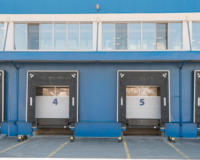

Modern warehouse environments are dynamic, high-traffic hubs operating around the clock. With multiple entry points and constant movement of goods and personnel, security risks have increased significantly. This is where perimeter alarm planning for warehouses becomes essential.
Warehouses face a wide range of vulnerabilities, from unauthorised vehicle access to after-hours intrusion. Relying solely on internal alarm systems leaves critical gaps in protection. Instead, a well-designed perimeter alarm system can detect threats before they reach the building.
In this guide, we’ll walk through how to approach perimeter alarm planning for warehouses, covering risk zones, system components, and practical strategies for multi-access environments.
Understanding Warehouse Risk Zones and Access Point Vulnerabilities
Effective perimeter alarm planning for warehouses starts with identifying vulnerable areas across the site.
- Primary entry gates (vehicle access)
These are often the busiest points in a warehouse. Trucks, deliveries, and staff vehicles constantly move in and out, making it harder to detect suspicious activity. During peak periods, gates may remain open longer than intended, increasing the risk of unauthorised access.
- High-traffic zones with frequent opening and closing
Areas with constant movement – like dispatch zones – can become security weak points. The more frequently doors or gates are used, the higher the chance they’re left unsecured.
- Secondary access doors (staff & emergency exits)
These are commonly overlooked in warehouse perimeter alarm setups. Staff may prop doors open for convenience, or emergency exits may not be monitored as closely. This creates easy entry points for intruders.
- Loading docks and roller doors
Large openings and operational activity make these prime targets. Intruders can blend in during active hours or exploit gaps in monitoring after hours. Roller doors, in particular, require specialised sensors for effective protection.
- Perimeter fencing and blind spots
Areas without lighting, cameras, or visibility are ideal for covert entry attempts. Weak fencing or unmonitored sections of the perimeter can easily be breached without triggering internal alarms.
- After-hours vs operational hours risk differences
Risk profiles change dramatically depending on the time of day. During operational hours, threats may involve tailgating or unauthorised access. After hours, the focus shifts to intrusion, vandalism, or theft – making perimeter alarm planning for warehouses even more critical.

What Makes a Warehouse Perimeter Alarm System Truly Effective?
A strong security setup has all layers working together. Successful perimeter alarm planning for warehouses combines detection, deterrence, and real-time alerting into one cohesive system.
At the detection level, motion sensors and multi-sensors play a key role. These devices can identify movement, temperature shifts, or even changes in light. Door/window sensors, along with shock sensors, are essential for monitoring entry points such as gates, roller doors, and access panels. They ensure that any forced entry or unexpected opening is immediately flagged.
Environmental sensors, such as flood detectors, also add value – especially in warehouses storing sensitive goods. While not directly related to intrusion, they contribute to overall risk management within the same system.
At the core of the setup is a central controller or hub, often powered by technologies like Z-Wave or KNX. This hub connects all devices to enable real-time communication and automation. When a sensor is triggered, the system can instantly activate alarms.
This is where alerting becomes critical. Audible and visual alerts transform detection into action. They not only notify personnel but also actively deter intruders, making them a vital component in perimeter alarm planning for warehouses.
Why Outdoor Sirens Are a Game-Changer for Warehouse Security
In many cases, the difference between a minor incident and a major security breach comes down to response time. Outdoor sirens play a crucial role, making them indispensable to perimeter alarm planning for warehouses.
Unlike passive alerts, sirens actively disrupt intrusion attempts. A high-decibel alarm immediately draws attention, causing intruders to abandon their plans. In large or noisy warehouse environments, this audible warning is essential for ensuring alerts aren’t missed.
Visual strobes add another layer of effectiveness. Bright flashing lights can cut through darkness, alert nearby staff, and make it easier to locate the exact point of intrusion. This is particularly useful for expansive sites with multiple access zones.
Placement is key. Sirens should be installed near critical entry points – such as main gates, loading docks, and known blind spots – while remaining clearly visible from the perimeter. Visibility alone can act as a deterrent.
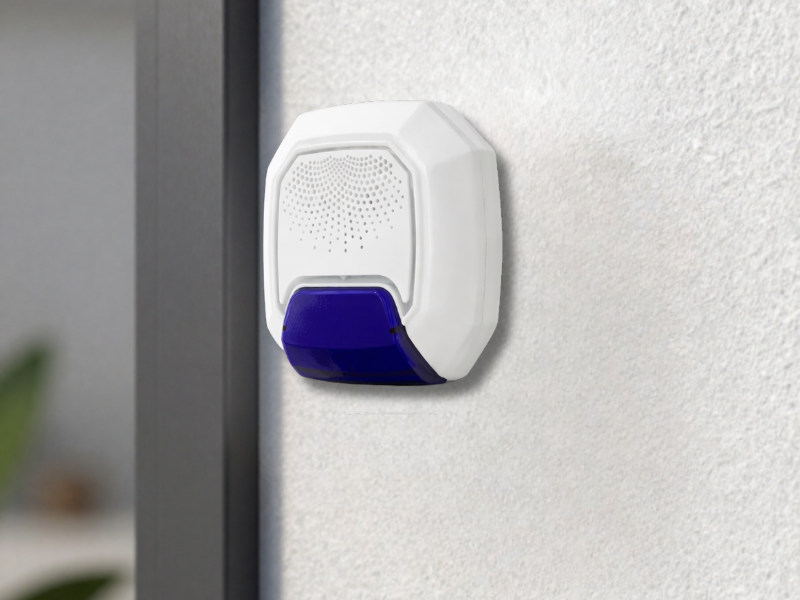
A solution like the Vision Z-Wave Outdoor Siren is well-suited to these environments. Its wireless design simplifies installation across large sites, while its powerful alarm and strobe provide immediate, unmistakable alerts. Built for outdoor conditions, it offers reliable performance even in harsh weather – an important factor in Australian warehouse settings.
Most importantly, it integrates seamlessly with broader smart security systems, supporting scalable, future-ready warehouse perimeter alarm strategies.
Designing a Smart Perimeter Alarm Strategy for Multiple Access Points
When it comes to multi access point security, structure is everything. Effective perimeter alarm planning for warehouses requires a methodical, well-documented approach to ensure every part of the site is covered.
- Map all entry and exit points
Begin with a comprehensive audit of your entire warehouse perimeter. This includes obvious access points like main gates and loading docks, as well as less obvious ones such as side doors, maintenance access panels, and internal yard connections.
Even rarely used or “temporary” access points should be included, as these are often the easiest to exploit. A detailed map gives you a clear picture of protection.
- Segment zones for targeted monitoring
Dividing the warehouse into clearly defined zones allows for more precise control and monitoring. For example, you might separate the site into front entry, rear loading dock, side access corridors, and external yard areas.
Each zone can then be monitored independently, making it easier to identify where an incident is occurring and respond quickly. Zoning also allows for customised settings based on usage patterns.
- Assign appropriate sensors per zone
Not all areas require the same type of protection. High-traffic zones may benefit from motion sensors that can detect unusual movement patterns, while entry points like doors and gates require contact or shock sensors to detect opening or forced entry.
Environmental sensors can be installed in specific areas to monitor conditions such as flooding or temperature changes. Matching the right sensor to each zone ensures your perimeter alarm planning for warehouses is effective.
- Link alarms to sirens and automation triggers
Detection alone isn’t enough – you need a clear and immediate response. When a sensor is triggered, the system should automatically activate actions. This might include sounding an outdoor siren, turning on floodlights, locking access points, and sending alerts to security personnel. These automated responses reduce reaction time and help prevent incidents from escalating.
- Prioritise visibility and deterrence
Security measures shouldn’t be hidden away. Visible sirens, warning signage, and lighting can act as powerful deterrents. When potential intruders see that a warehouse is well-protected, they’re far less likely to attempt entry. In this sense, effective perimeter alarm planning for warehouses prevents them altogether.
- Enable remote monitoring and alerts
Modern systems allow warehouse managers to monitor activity from anywhere via mobile apps or cloud-based platforms. This means you don’t have to be on-site to respond to an alert. Real-time notifications, system diagnostics, and remote control features provide flexibility and peace of mind for large or multi-site operations.
Bringing Perimeter Alarm Planning for Warehouses With Smart Automation Systems
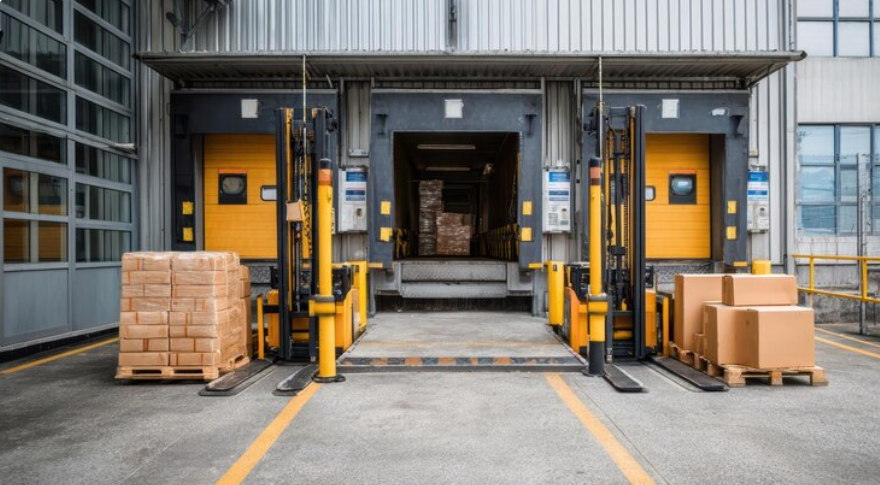
One of the biggest advancements in perimeter alarm planning for warehouses is the integration of smart automation systems. These platforms transform standalone devices into a fully connected security network.
With smart integration, alerts are no longer limited to on-site alarms. Facility managers can receive real-time notifications on their phones for faster decision-making. Automated responses can also be configured – for example, triggering lights, activating sirens, or locking down specific areas.
Z-Wave technology stands out in this space due to its interoperability. Devices from different manufacturers can work together seamlessly, making it easier to build customised systems. It’s also highly scalable, allowing warehouses to expand their security setup as operations grow.
Compatibility with controllers such as Fibaro, HomeSeer, and Alarm.com ensures flexibility for both new installations and retrofits. Whether upgrading an existing site or designing a system from scratch, smart automation makes perimeter alarm planning for warehouses more efficient and future-proof.
Best Practices for Outdoor Siren Planning
Even the best equipment needs proper setup to perform effectively. When incorporating sirens into perimeter alarm planning for warehouses, placement and configuration are critical.
- Install at elevated, visible locations: Mount sirens high enough to prevent tampering while ensuring they’re clearly visible. This maximises both coverage and deterrence.
- Position near high-risk access points: Focus on areas like entry gates, loading docks, and blind spots. These are the locations where alerts will have the most impact.
- Ensure weather-resistant installation: Outdoor devices must withstand harsh conditions for long-term reliability.
- Test sound coverage across the site: Large warehouses can absorb or block sound. Regular testing ensures the alarm is audible in all critical areas.
- Enable tamper alerts and battery monitoring: Features like tamper detection and low-battery notifications help maintain system integrity and reduce downtime.

Building a Scalable and Reliable Warehouse Perimeter Alarm System
At its core, perimeter alarm planning for warehouses is about staying one step ahead of potential threats. By focusing on external detection, businesses can prevent incidents from escalating into costly breaches.
A well-designed system delivers multiple benefits: improved security, stronger deterrence, and greater operational confidence. By combining sensors, automation, and sirens, warehouses can create a layered defence.
Solutions like the Vision Z-Wave Outdoor Siren play a key role in this ecosystem. With reliable outdoor performance and seamless integration into Z-Wave systems, it enhances detection and response.