Modern commercial security systems rely on reliable alarm devices to deter intruders and alert staff when incidents occur. One of the most visible and effective components of these systems is the outdoor siren. These devices must operate consistently in demanding environments. Because they are often installed in exposed locations and rely on wireless communication, outdoor siren power management becomes critical.
Security integrators must balance power consumption, reliability, and maintenance requirements. In this guide, we explore how power is managed in outdoor sirens and the common power supply options used in commercial alarm systems.
What are the Power Requirements for Outdoor Sirens?
Outdoor sirens used in commercial security systems rely on several internal components that require a stable power supply. While these devices may appear simple, they contain multiple elements that work together to provide both audible and visual alerts.
Typical components that consume power include the high-decibel siren speaker, LED strobe lighting, wireless communication modules, and internal control circuitry.
The siren speaker requires significant energy during alarm activation, especially when producing sound levels above 100 decibels. Similarly, LED strobes must emit bright flashes that remain visible in daylight, which also draw additional power during active alerts.
Power consumption varies depending on whether the siren is in standby or active alarm mode. During idle periods, most outdoor sirens operate in a low-power state, maintaining communication with the central alarm controller while consuming minimal energy. Once an alarm is triggered, power usage increases rapidly to drive the siren speaker and strobe lights.
Battery-powered and externally powered sirens also differ in several ways. Battery-operated models typically offer easier installation and continue functioning during electrical outages, but they require periodic battery replacement.
Hardwired sirens, on the other hand, draw power directly from the building’s infrastructure and may require more complex installation, but often require less ongoing maintenance.
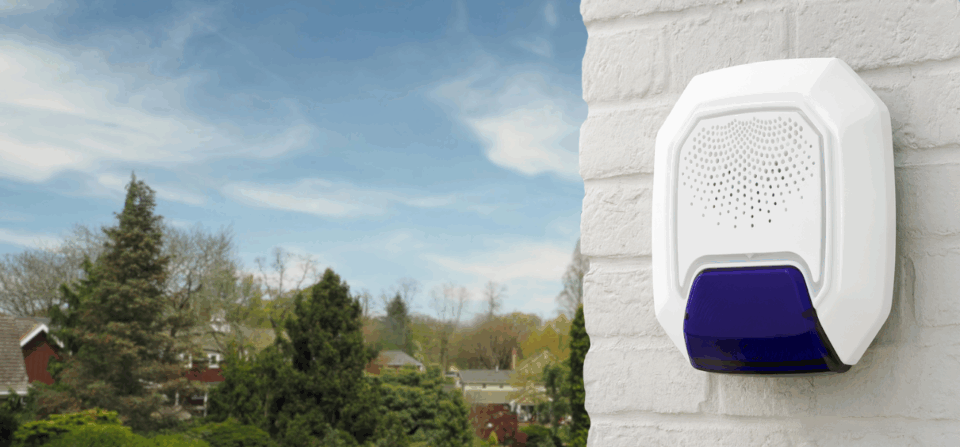
Common Outdoor Siren Power Sources Used in Commercial Alarm Systems
Outdoor sirens can be powered in several different ways depending on the security system design, installation environment, and reliability requirements. Each outdoor siren power strategy has advantages and trade-offs, so integrators must choose the option that best suits the site infrastructure.
Hardwired Power Supply
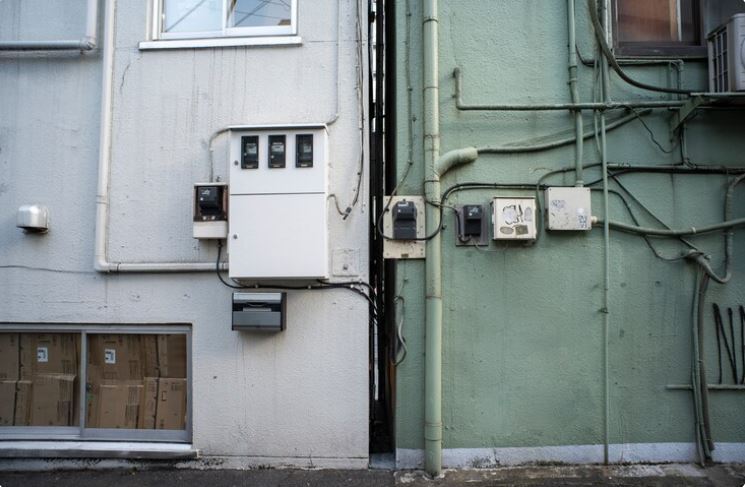
One of the most common approaches in large commercial buildings is to connect outdoor sirens directly to the building’s electrical system.
Key characteristics include:
- Connected directly to the building’s electrical infrastructure
- Often supported by backup batteries located within the alarm panel
- Provides continuous and stable power for long-term installations
- Suitable for fixed commercial environments such as offices, warehouses, and retail complexes
- Requires professional installation, including cable routing and electrical connections
Hardwired systems are typically used when the building infrastructure allows easy access to power sources and when maximum reliability is required.
Battery-Powered Sirens
Battery-powered outdoor sirens are widely used in modern wireless alarm systems.
Benefits include:
- Ideal for wireless installations where running cables is difficult
- Eliminates the need for electrical wiring across large properties
- Allows flexible placement around buildings, fences, or perimeter zones
- Often integrates with smart alarm controllers through wireless protocols
However, batteries must be monitored and replaced periodically to ensure the siren remains operational.
Hybrid Power Systems
Some high-security installations combine external power with internal battery backup.
Typical advantages include:
- Provides redundancy in case of electrical outages
- Ensures sirens remain operational during emergencies
- Often used in critical infrastructure environments such as data centres or logistics facilities
Solar-Assisted Power
In remote locations with limited access to electrical infrastructure, solar-powered systems can power outdoor sirens.
Features include:
- Solar panels recharge internal batteries
- Suitable for perimeter security, remote gates, or infrastructure sites
- Reduces reliance on external power connections
Ultimately, selecting the right power solution depends on the site size, available infrastructure, and reliability requirements of the overall commercial alarm system. Careful planning ensures stable, efficient outdoor siren power throughout the security network.
Designing Power-Efficient Alarm Systems for Large Sites
Deploying outdoor sirens across large commercial properties requires careful system design to balance effective coverage with efficient power consumption. Security integrators must consider both the placement of devices and the communication technologies used to connect them.
One key strategy involves distributing sirens strategically across the property rather than relying on a single high-powered device. Multiple sirens placed at optimal locations improve coverage, ensure alarms remain audible across different zones, and prevent excessive power usage by a single central unit.
Modern alarm systems also use wireless technologies such as Z-Wave to reduce wiring complexity. Wireless communication reduces installation costs and allows integrators to position devices where they provide the best coverage without running long power cables.
When designing power-efficient systems, integrators often consider the following factors:
- Wireless communication protocols: Technologies such as Z-Wave enable low-power communication between devices and the central controller, reducing energy consumption during standby operation.
- Low-power standby operation: Most outdoor sirens remain in sleep or low-power mode until an alarm event triggers them, dramatically extending battery life.
- Device communication intervals: The frequency with which a siren checks in with the controller affects energy usage. Optimised communication schedules minimise power drain.
- Signal strength requirements: Devices placed too far from the controller may increase transmission power, which can impact battery life.
- Environmental conditions: Extreme temperatures, wind exposure, and moisture can affect battery performance and overall device efficiency.
By accounting for these variables during system planning, security professionals can ensure reliable alarms while maintaining efficient outdoor siren power usage across large installations.

Power Monitoring and Maintenance Best Practices
Even the most efficient alarm system requires ongoing monitoring and maintenance to ensure power remains available when it matters most. Proactive maintenance strategies help prevent device failures and reduce costly service visits.
Several best practices are commonly used in professional commercial alarm installations.
- Automated Battery Monitoring
- Alarm controllers continuously track battery voltage levels
- Alerts are generated when batteries begin approaching low levels
- Prevents unexpected device shutdowns during emergencies
- Scheduled Maintenance Checks
- Routine inspections during scheduled service visits
- Testing siren activation and strobe functionality
- Confirming wiring connections and mounting hardware remain secure
- Environmental Protection
- Weather-resistant housings protect sensitive electronics
- Proper installation prevents moisture intrusion
- Shielding power components from harsh environmental conditions extends device life
- Remote Diagnostics
- Many smart alarm platforms allow remote monitoring of device status
- Integrators can identify power issues before visiting the site
- Reduces maintenance costs for large or multi-building facilities
Implementing these monitoring practices ensures the continuous availability of outdoor siren power while maintaining system reliability in commercial security environments.
Battery-Efficient Outdoor Sirens for Modern Installations
Modern wireless alarm systems increasingly rely on battery-efficient devices designed to minimise power consumption without compromising performance. A good example is the VISION Z-Wave Outdoor Siren, which demonstrates how smart design can support reliable security alerts while maintaining efficient energy usage.
This type of device uses battery-powered operation to simplify installation while maintaining strong alarm performance.
Key power-related features include:
- Battery-powered operation using four D batteries
- Estimated two-year battery life under typical usage conditions
- Low battery alerts automatically sent to the Z-Wave controller
- Energy-efficient standby operation to conserve power between alarms
Wireless sirens like this are particularly useful in commercial or multi-building environments where running electrical wiring can be expensive or impractical. They allow security installers to deploy alarms quickly while maintaining reliable outdoor siren power.
Additional design features further support commercial security installations:
- IP66 weather-resistant housing designed for harsh outdoor environments
- 115 dB siren output with bright flashing strobe for strong visual and audible alerts
- Tamper detection alerts that notify the controller if the device is disturbed or removed
These sirens can integrate with a range of smart security sensors such as motion detectors, door and window sensors, shock sensors, or flood sensors. When these devices detect suspicious activity, they automatically trigger the siren while conserving energy during standby periods.
By combining wireless communication with smart power management, modern sirens help security professionals deploy flexible and dependable alarm systems.

Key Considerations When Selecting Outdoor Sirens
Choosing the right outdoor siren is an important step in designing effective commercial security systems. Security integrators must evaluate several technical factors to ensure the device meets the site’s performance and reliability requirements.
Important considerations include:
Power Efficiency
-
- Battery lifespan
- Standby energy consumption
- Controller power management capabilities
Installation Environment
-
- Weather resistance and enclosure protection
- Temperature tolerance for outdoor deployment
- Flexible mounting options for walls, gates, or structures
Integration Compatibility
-
- Compatibility with alarm controllers
- Support for wireless protocols such as Z-Wave
- Integration with sensors, automation platforms, and monitoring systems
Maintenance Requirements
-
- Battery replacement intervals
- Remote monitoring features
- Diagnostic alerts for faults or tampering
Alarm Performance
-
- Sound output level measured in decibels
- Visibility of strobe lighting
- Coverage range across the property
Evaluating these factors carefully helps ensure long-term reliability and consistent outdoor siren power performance within commercial alarm deployments.
To Sum Up,
Effective security systems depend on reliable alarm devices that remain operational at all times. Proper outdoor siren power management is essential to ensure sirens activate instantly during emergencies and continue operating even during power disruptions.
Security integrators must consider several factors when designing commercial alarm systems, including power sources, device placement, monitoring strategies, and maintenance planning. Whether using hardwired installations, battery-powered devices, or hybrid systems with backup power, thoughtful planning helps minimise downtime and reduce long-term maintenance costs.
Modern wireless devices such as the VISION Z-Wave Outdoor Siren demonstrate how efficient battery operation and smart connectivity can simplify installation while maintaining strong performance. When combined with well-designed power management strategies, these solutions help create reliable and responsive alarm infrastructures for commercial environments.