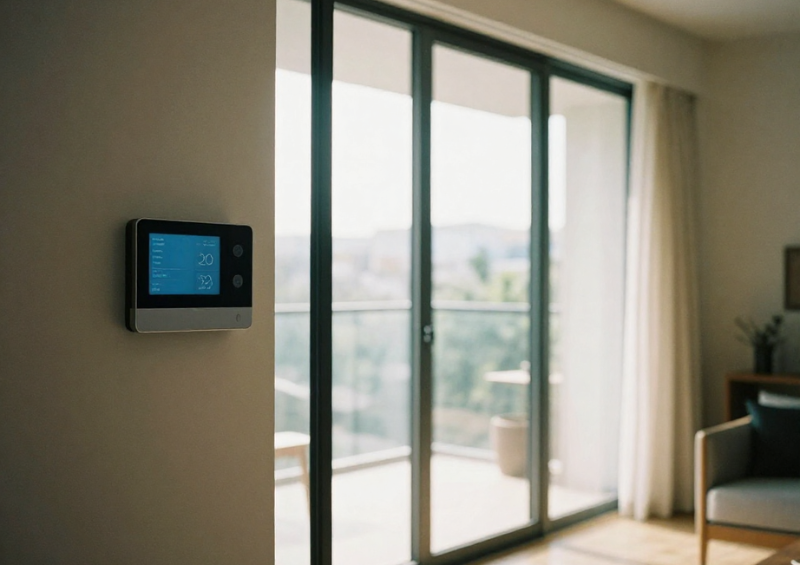
Smart homes are no longer limited to lighting, security, and climate control. One of the fastest-growing areas of home automation is smart window automation, especially when combined with real-time weather sensing. A well-designed Smart Window Control System can automatically respond to rain, wind, temperature, and sunlight—protecting your home, improving comfort, and increasing energy efficiency without constant manual input.
This buyer’s guide explains how smart window control systems work, how they integrate with weather sensors, and what homeowners, builders, and property managers should consider before choosing a solution. Whether you are planning a new smart home, upgrading an existing property, or managing a high-end residence, this guide will help you understand the technology and make informed decisions.
Table of Contents
ToggleWhy integrate window controls with weather sensors
Windows play a critical role in ventilation, thermal comfort, indoor air quality, and weather protection. However, manually managing windows is often impractical—especially during sudden weather changes or when the home is unoccupied.
Integrating a smart window control system with weather sensors allows windows to respond automatically to environmental conditions. For example, windows can close when rain starts, open when indoor air quality declines, or adjust based on outdoor temperature.
This automation reduces risk, improves comfort, and ensures windows are always operating optimally—even when no one is home.

What is a Smart Window Control System
A smart window control system is an automated solution that allows windows to open, close, or adjust electronically. These systems typically use motorised window actuators connected to a central controller or smart home platform.
Control can be manual, scheduled, sensor-based, or remote via smartphone apps. When integrated with weather sensors, the system becomes proactive rather than reactive.
Modern smart window control systems can operate as standalone solutions or as part of a larger smart home ecosystem, integrating with HVAC, lighting, and security systems.
Understanding weather sensors in smart automation
Weather sensors collect real-time environmental data and trigger automated responses. Common sensor types include rain sensors, wind sensors, temperature sensors, humidity sensors, and sunlight or solar sensors.
These sensors can be installed externally on rooftops, facades, or weather masts, or integrated into multi-sensor weather stations. Data from sensors is sent to the smart window control system, which executes predefined actions.
Accurate weather sensing is essential for reliable automation, particularly in exposed or high-risk environments.
How smart window automation works with weather data
The integration process follows a simple logic flow. Weather sensors detect changes in environmental conditions. The smart window control system receives this data and compares it to programmed rules.
For example, if rain is detected, the system may automatically close all open windows. If outdoor temperature drops below a set threshold, windows may close to retain heat. If indoor air quality sensors detect high CO₂ levels and weather conditions are safe, windows may open for ventilation.
This rule-based automation allows windows to respond intelligently without manual intervention.
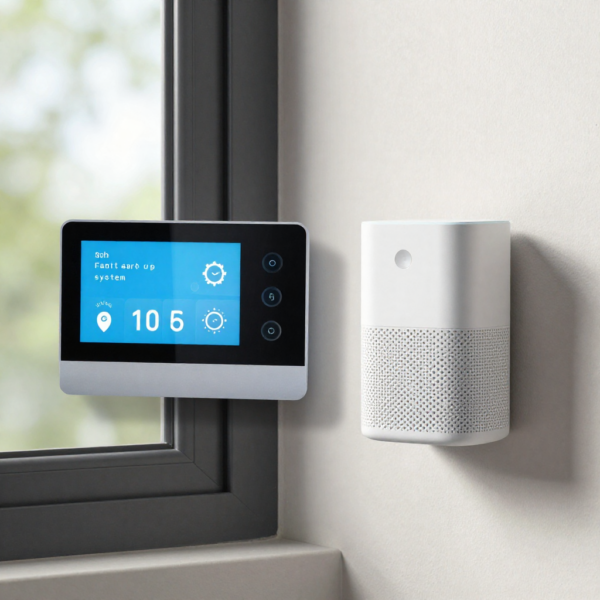
Key benefits of integrating smart windows with weather sensors
One of the primary benefits is protection. Automatic closure during rain or high winds prevents water damage, interior damage, and safety risks.
Another major benefit is energy efficiency. Smart window control systems help regulate indoor temperatures naturally, reducing reliance on heating and cooling systems.
Comfort also improves, as indoor environments adjust automatically to changing conditions. Ventilation can be optimised without compromising safety or convenience.
Rain sensors and window protection
Rain sensors are among the most common weather sensors used with smart window control systems. They detect the first signs of rainfall and trigger immediate responses.
In homes with skylights, louvre windows, or upper-level openings, rain sensors are particularly valuable. They prevent water ingress even when occupants are asleep or away.
Reliable rain sensors respond quickly and reset automatically once rain stops, allowing normal window operation to resume.
Wind sensors and safety considerations
Wind sensors measure wind speed and, in some cases, wind direction. Strong gusts can damage open windows, actuators, and frames.
A smart window control system can close windows when wind speeds exceed safe thresholds. This is especially important for high-rise buildings, coastal homes, or properties in exposed locations.
Wind-based automation helps protect both the window hardware and the building structure.
Temperature-based window automation
Temperature sensors allow windows to contribute actively to climate control.
When outdoor temperatures are cooler than indoor air, windows can open automatically to promote natural cooling. Conversely, windows can close when outdoor temperatures become too hot or cold.
This integration supports passive climate control strategies, reducing energy consumption and improving indoor comfort.
Humidity and air quality integration
Humidity sensors help manage condensation, mould risk, and indoor air quality. When indoor humidity rises, windows can open automatically if outdoor conditions are suitable.
Some smart window control systems integrate with air quality sensors that measure CO₂ or VOC levels. This allows windows to open for fresh air when needed and close when external pollution or weather conditions are unfavourable.
This level of automation supports healthier living environments.
Sunlight and solar radiation sensors
Sunlight sensors detect light intensity and solar radiation. These sensors are often used in combination with blinds or shading systems but can also inform window automation.
For example, windows may close during intense heat to reduce solar gain or open during mild sunlight to improve natural warmth and daylight.
Integrating sunlight data allows the smart window control system to balance comfort, energy efficiency, and protection.
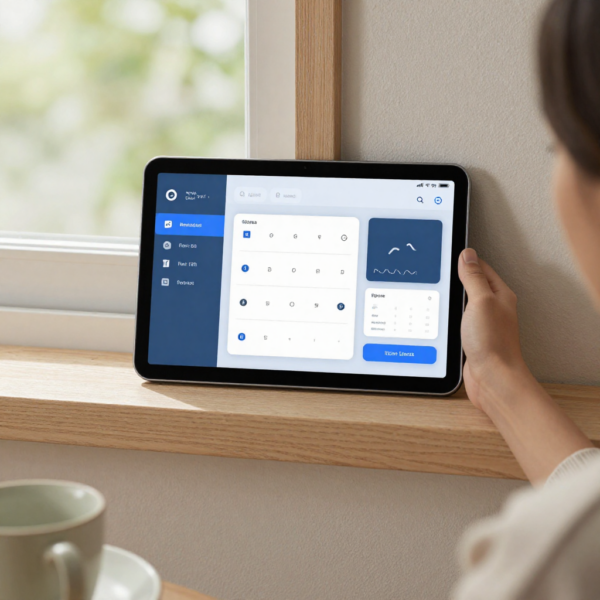
Integration with HVAC systems
Smart window control systems work best when coordinated with heating and cooling systems.
When windows open for natural ventilation, HVAC systems can pause automatically to avoid energy waste. When windows close, climate systems can resume normal operation.
This coordination prevents conflicting actions and maximises the efficiency of both systems.
Smart home platforms and connectivity
Most modern smart window control systems connect to a central smart home platform. This may be a proprietary system or a widely supported protocol such as KNX, Z-Wave, or Zigbee.
Platform compatibility determines how easily window controls integrate with weather sensors, apps, and other smart devices.
Choosing a system with strong integration support ensures flexibility, scalability, and long-term reliability.
Wired vs wireless sensor integration
Weather sensors may connect to the smart window control system via wired or wireless communication.
Wired sensors offer high reliability and are often used in new builds or large installations. Wireless sensors are easier to retrofit and suitable for existing homes.
Both options can be effective, but signal reliability, power supply, and environmental exposure must be considered.
Installation considerations for smart window automation
Proper installation is critical for performance and safety. Window actuators must be compatible with window type, size, and weight.
Weather sensors should be positioned to provide accurate readings, away from obstructions or artificial influences.
Professional installation is strongly recommended, particularly for systems integrated with multiple sensors and automation rules.
Retrofitting smart window control systems
Many homeowners assume smart window automation is only for new builds, but retrofitting is often possible.
Existing windows can be upgraded with motorised actuators, and wireless weather sensors can be added without extensive wiring.
Retrofitting allows homeowners to gain automation benefits without replacing entire window systems.
Reliability and fail-safe mechanisms
Because window automation affects building safety, reliability is essential.
Smart window control systems should include fail-safe features such as manual override, obstacle detection, and power-loss behaviour.
In the event of sensor failure or communication loss, the system should default to a safe state, typically closing windows during adverse conditions.
Cybersecurity and data protection
Connected systems introduce cybersecurity considerations. Weather sensors and window controllers communicate data that must be protected.
Choosing reputable platforms with encrypted communication, regular updates, and strong authentication reduces cyber risks.
Homeowners should also follow best practices for network security when deploying smart window control systems.
Maintenance and long-term performance
Regular maintenance ensures accurate sensor readings and smooth window operation.
Sensors should be cleaned periodically, especially rain and sunlight sensors exposed to the elements. Actuators and moving parts should be inspected for wear.
Well-maintained systems deliver reliable automation for many years.
Cost considerations and return on investment
Smart window control systems involve upfront costs for actuators, sensors, controllers, and installation.
However, long-term benefits include reduced energy costs, lower maintenance risks, and improved property value.
For many homeowners, the combination of comfort, protection, and efficiency justifies the investment.
Residential use cases for smart window automation
In residential settings, smart window control systems improve daily comfort and peace of mind.
Homes with skylights, large glazing areas, or multi-storey layouts benefit particularly from weather-responsive automation.
Families, remote workers, and frequent travellers all gain value from automatic window management.
Commercial and architectural applications
Smart window control systems are also widely used in commercial buildings, offices, and architectural projects.
Weather-based automation supports energy efficiency targets and compliance with building standards.
In large buildings, centralised control simplifies management while maintaining occupant comfort.
Common mistakes to avoid
One common mistake is relying on a single sensor for critical automation. Redundancy improves reliability.
Another mistake is poor sensor placement, which leads to inaccurate readings and unwanted behaviour.
Failing to plan integration with HVAC or shading systems can also limit the effectiveness of smart window automation.
Future trends in smart window and weather integration
Advances in sensor technology, AI-based automation, and predictive weather data are shaping the future of smart window control systems.
Future systems may adjust windows based on weather forecasts rather than real-time data alone, improving anticipation and efficiency.
As smart homes become more intelligent, window automation will play an increasingly central role.
Who should invest in smart window control systems
Homeowners seeking energy efficiency, comfort, and protection benefit most from smart window automation.
Properties in areas with unpredictable weather, high winds, or heavy rainfall see significant advantages.
Architects, builders, and property managers also benefit from integrating these systems into modern designs.
Final thoughts on integrating smart windows with weather sensors
Integrating a Smart Window Control System with weather sensors transforms windows from passive elements into intelligent building components.
By responding automatically to rain, wind, temperature, and air quality, smart window automation improves comfort, safety, and energy efficiency.
For buyers planning a future-ready home or building, smart window control systems represent a practical, forward-thinking investment that delivers everyday benefits and long-term value.