
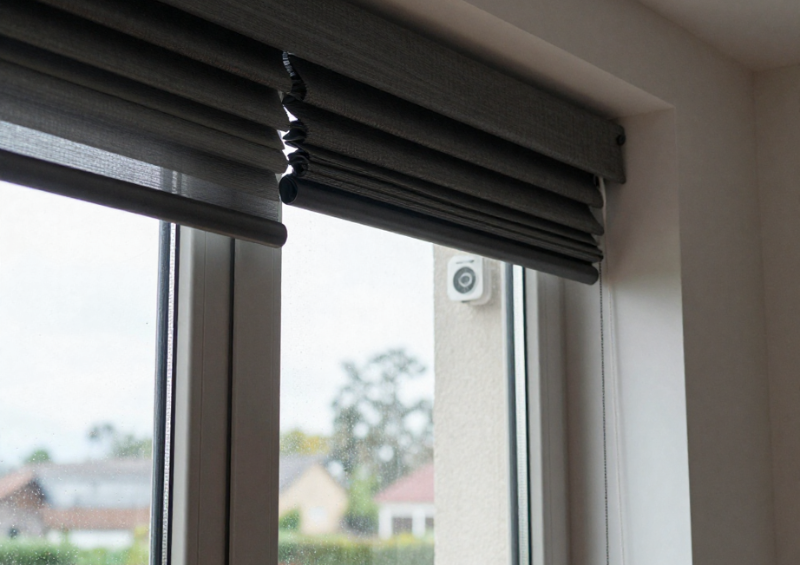
Smart window automation is increasingly becoming a core component of modern smart buildings and homes. While lighting and climate control have long dominated smart home discussions, windows play an equally important role in comfort, ventilation, energy efficiency, and safety. When integrated correctly with weather sensors, a smart window control system can operate autonomously, responding to real-time environmental conditions in a way that manual operation never could.
However, window automation is also one of the most sensitive areas of smart home design. Unlike lighting or audio, incorrect behaviour can lead to water ingress, wind damage, security risks, or occupant discomfort. This is why integrating smart window controls with weather sensors requires a structured, installation-focused approach rather than a simple plug-and-play mindset.
This guide explores how to design, install, configure, and maintain a smart window control system that works reliably with weather sensors in real-world conditions.
Why Weather-Based Automation Is Essential for Smart Windows
Windows directly interact with the external environment. Temperature, humidity, wind, rain, and sunlight all influence whether a window should be open or closed at any given moment. Relying on occupants to manually manage windows is unreliable, particularly when weather conditions change suddenly or when the building is unoccupied.
A smart window control system integrated with weather sensors allows automation to act immediately when conditions change. Rain sensors can trigger instant closure, wind sensors can prevent damage during storms, and temperature or humidity sensors can enable natural ventilation when conditions are favourable. This responsiveness improves both comfort and building protection, especially in multi-storey buildings or properties with roof windows and skylights.
Core Components of a Smart Window Control System
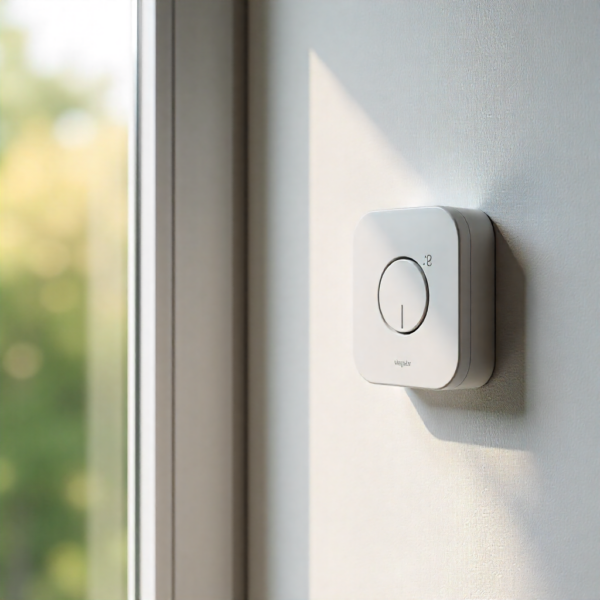
Understanding the system architecture is critical before integration begins. A typical smart window control system includes motorised actuators attached to windows, a control module or gateway, power supply infrastructure, and a user interface such as a mobile app or wall-mounted controller.
Weather sensors add an additional decision-making layer. These sensors feed environmental data into the control system, which then applies automation rules to determine window behaviour. The quality of this data and how it is processed directly affects system reliability.
The integration point between sensors and actuators is where most installation challenges occur. Poor configuration at this stage often leads to erratic behaviour that users interpret as system failure.
Understanding Different Weather Sensors and Their Roles
Weather sensors are not interchangeable, and each serves a specific purpose within a smart window control system. Rain sensors are typically the highest priority, as they protect against immediate water ingress. These sensors detect moisture and trigger closure within seconds, making them essential for skylights and exposed windows.
Wind sensors measure air movement and help prevent structural damage. High wind can exert significant force on open windows and actuators, particularly on upper levels. Wind-based automation should always override comfort-driven ventilation rules.
Temperature and humidity sensors enable more nuanced automation. These sensors support passive cooling strategies by opening windows when outdoor conditions are suitable and closing them when heat or humidity increases. When integrated correctly, they can reduce reliance on mechanical cooling systems.
Light and solar sensors are often used in advanced installations where windows interact with shading or façade systems. While not essential for basic automation, they add value in energy-efficient building designs.
Choosing the Right Sensor Combination for Your Climate
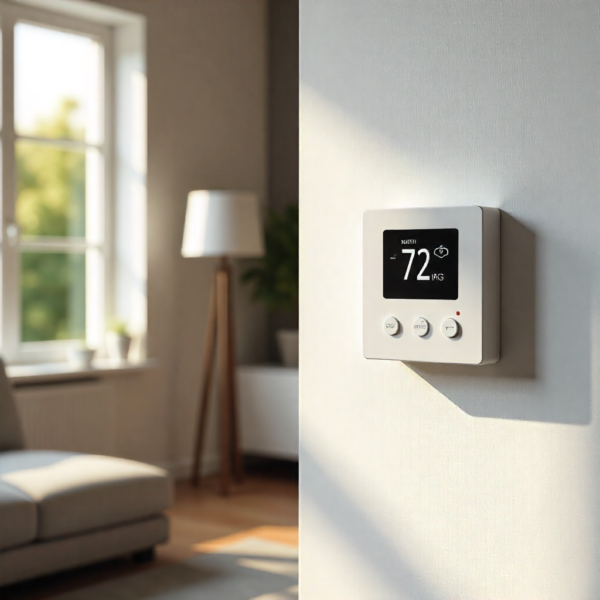
Local climate conditions heavily influence sensor selection. In regions with sudden storms, rain sensors with fast response times are critical. In windy coastal or high-rise environments, wind sensors must be robust and accurately positioned. In areas with large temperature fluctuations, temperature and humidity sensors become more valuable for comfort automation.
A smart window control system should be designed with redundancy in mind. Relying on a single sensor type increases risk. Combining rain and wind sensors, for example, provides a safety layer that protects both against water ingress and mechanical stress.
Wired vs Wireless Integration: Practical Installation Considerations
Sensor integration can be wired or wireless, and each approach has implications for installation and reliability. Wired sensors offer stable communication and are generally preferred in new builds or commercial projects where cabling is planned. They require more installation effort but offer long-term stability.
Wireless sensors are ideal for retrofit projects. They eliminate the need for new cabling and reduce installation time and cost. However, they rely on batteries and wireless signal quality, which must be considered carefully. Battery life, signal range, and interference all influence long-term performance.
Many modern smart window control systems support hybrid installations, combining wired actuators with wireless sensors. This approach balances reliability with installation flexibility.
Sensor Placement: The Difference Between Reliable and Unreliable Automation
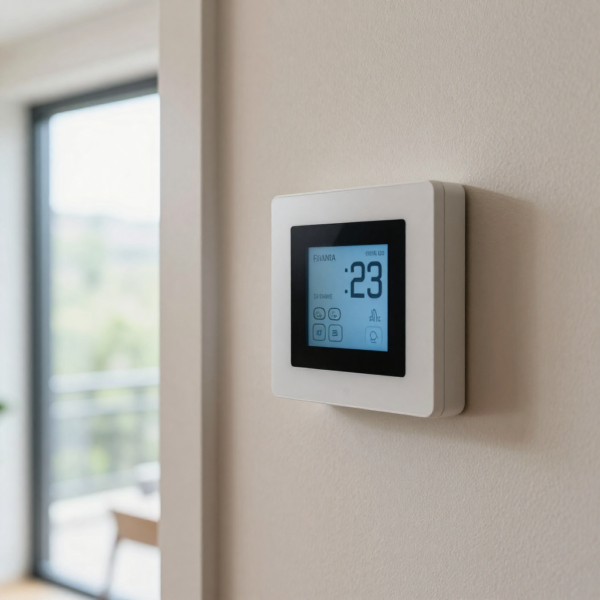
Correct sensor placement is one of the most important installation steps. Rain sensors must be fully exposed to rainfall and installed away from sheltered areas such as eaves or balconies. If water does not reach the sensor quickly, window closure will be delayed.
Wind sensors should be installed at a height and location that accurately reflects wind conditions affecting the windows. Installing them too low or near obstructions can result in false readings, leaving windows open during strong gusts.
Temperature and humidity sensors should be positioned away from direct sunlight, heat sources, or enclosed spaces. Poor placement leads to inaccurate readings, which in turn causes poor automation decisions within the smart window control system.
Designing Automation Logic That Feels Natural
Automation logic defines how the system behaves when sensor data changes. Poorly designed rules often lead to windows opening and closing too frequently, which frustrates users and increases wear on actuators.
Effective automation prioritises safety and protection first. Rain and wind conditions should always override comfort-based rules. Temperature and humidity automation should operate within defined limits and often benefit from time delays or averaging to prevent rapid cycling.
A well-configured smart window control system should feel predictable and calm. Users should understand why windows move and trust that the system will behave sensibly in changing conditions.
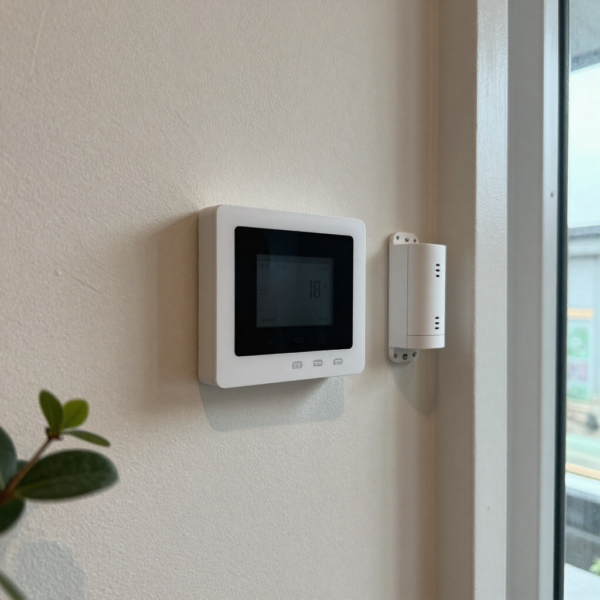
Preventing False Triggers and Overreaction
False triggers are a common complaint in poorly installed systems. These often occur due to overly sensitive sensors, unstable wireless communication, or automation rules that react instantly to minor changes.
Best practices include introducing delay timers, requiring multiple conditions to be met, and logging sensor events during the commissioning phase. Reviewing these logs helps fine-tune thresholds and reduce unnecessary movement.
Stability is a key indicator of quality in a smart window control system. Automation should respond decisively when needed, not constantly.
Power Management and Fail-Safe Design
Motorised windows rely on power, and any interruption must be handled safely. Fail-safe design ensures that windows default to a safe position during power loss or communication failure.
In most installations, this means windows stop moving rather than continuing blindly. Some systems allow predefined safe positions, while others require manual intervention after power is restored. These behaviours must be tested during commissioning.
A reliable smart window control system anticipates failures and responds safely, protecting both the building and its occupants.

Integrating Windows With HVAC and Indoor Air Quality Systems
Smart window automation becomes even more effective when integrated with HVAC and air quality sensors. Windows can be used to provide natural ventilation when indoor air quality declines, reducing the need for mechanical ventilation.
This coordination requires careful logic to prevent conflict between systems. For example, windows should not open when air conditioning is actively cooling. Proper integration turns the smart window control system into a key component of overall energy management.
Retrofit Installation Challenges and Solutions
Retrofitting window automation presents unique challenges. Existing window frames, power availability, and building regulations all influence actuator selection and sensor placement.
Wireless sensors and compact actuators are often the best solution for retrofit projects. Non-invasive mounting methods reduce installation time and avoid damage to existing finishes. Signal testing before final installation is essential to ensure reliable communication.
Modern smart window control systems are increasingly designed with retrofits in mind, making advanced automation accessible to existing buildings.
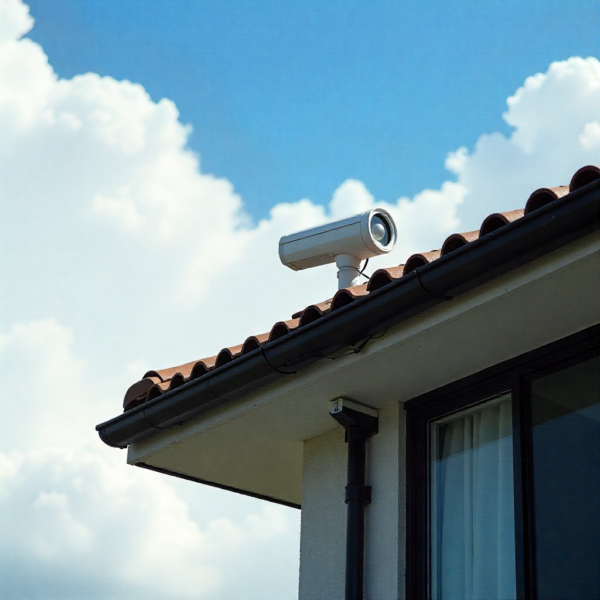
Commissioning and Real-World Testing
Commissioning is where many systems succeed or fail. Testing should include manual triggering of sensors, simulation of rain and wind conditions, and verification of override controls.
Testing should also be repeated under real weather conditions whenever possible. Observing system behaviour over several days provides valuable insight into whether thresholds and delays are correctly configured.
A well-commissioned smart window control system inspires confidence and reduces long-term support issues.
Ongoing Maintenance and Sensor Care
Weather sensors are exposed to harsh conditions and require periodic maintenance. Rain sensors should be cleaned to remove dirt and debris. Wind sensors should be checked for physical damage or misalignment. Wireless sensors require battery monitoring and replacement.
Regular maintenance ensures that the smart window control system continues to respond accurately and reliably over time.
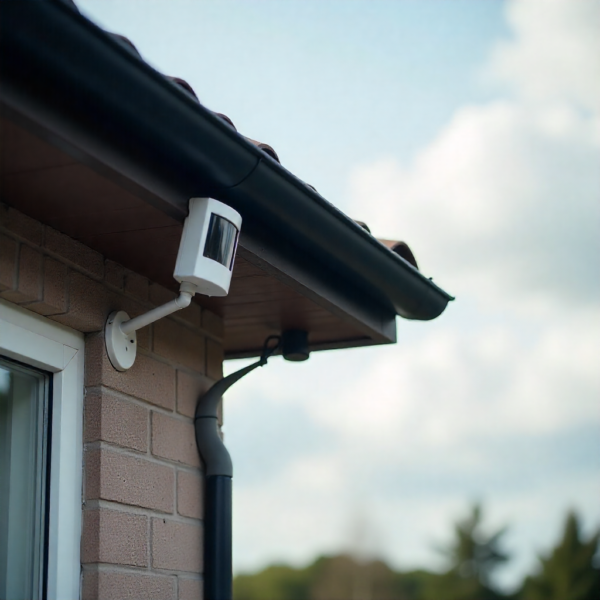
Common Integration Mistakes to Avoid
Installers frequently encounter problems caused by rushing sensor placement, skipping testing, or overcomplicating automation rules. Another common mistake is failing to educate users on manual overrides and system behaviour.
Clear documentation and basic user training significantly improve satisfaction and reduce unnecessary support calls.
The Future of Smart Window Control Systems
As sensor technology and data processing improve, smart window automation is becoming more predictive. Systems are beginning to use weather forecasts and historical data to anticipate conditions rather than simply react to them.
This evolution will further enhance the value of a smart window control system, making windows an active participant in energy management and occupant comfort strategies.
Conclusion: Building a Reliable Smart Window Control System
Integrating smart window controls with weather sensors transforms windows from static elements into intelligent, responsive components of a building. When designed and installed correctly, a smart window control system improves comfort, protects against weather damage, and supports energy efficiency without constant user intervention.
The key to success lies in proper sensor selection, careful placement, thoughtful automation logic, and thorough testing. By following these installation tips, homeowners and professionals can build smart window systems that perform reliably in real-world conditions—now and into the future.