Automatic gate systems are no longer limited to high-security facilities or luxury homes. Today, they are installed across residential estates, apartment buildings, warehouses, factories, schools, hospitals, and public infrastructure. As automated gates have become more common, expectations around safety, reliability, and compliance have increased significantly.
At the centre of every safe gate automation system are safety sensors for gates. These sensors are not optional accessories; they are critical safety devices designed to prevent injury, damage, and liability. However, not all gate sensor technologies operate the same way, and incorrect selection or poor installation can render even the most advanced gate system unsafe.
This installation-focused guide provides a detailed comparison of infrared, microwave, and dual-technology gate sensors, with an emphasis on real-world performance, installation best practices, and long-term reliability. It is written for installers, contractors, engineers, and property owners who need practical guidance—not marketing claims.
The Role of Safety Sensors in Modern Gate Automation
An automated gate is a powerful mechanical system. Sliding gates, swing gates, and bi-fold gates can weigh hundreds of kilograms and move with considerable force. Without reliable detection, these systems pose serious risks to people, vehicles, and property.
Safety sensors for gates are designed to:
-
Detect obstructions before contact occurs
-
Prevent the gate from closing when an area is unsafe
-
Reverse gate movement when an object is detected
-
Support compliance with safety regulations and standards
Importantly, no single sensor type can address every possible risk scenario. This is why understanding different gate sensor technologies is essential for safe system design.
Overview of Gate Sensor Technologies Used in Safety Systems
In professional gate installations, three primary sensor technologies are commonly used:
-
Infrared (photoelectric) sensors
-
Microwave motion sensors
-
Dual-technology sensors combining infrared and microwave
Each technology detects presence differently and reacts to environmental factors in unique ways. The right choice depends on gate type, site conditions, traffic patterns, and risk level.

Infrared Gate Sensors: Detection Through Beam Interruption
How Infrared Gate Sensors Work
Infrared gate sensors operate using a transmitter and receiver that create an invisible infrared beam across a defined area. When an object interrupts this beam, the sensor sends a signal to the gate controller to stop or reverse movement.
These sensors are commonly installed:
-
Across driveway openings
-
At pedestrian access points
-
Near gate edges and closing zones
Infrared sensors are one of the most widely used safety sensors for gates due to their simplicity and predictability.
Installation Depth: Getting Infrared Sensors Right
Infrared sensors appear simple, but installation quality determines performance.
Key installer considerations include:
-
Precise alignment: Even slight misalignment can cause intermittent faults.
-
Mounting stability: Posts or brackets must not shift over time.
-
Height selection: Lower beams detect children and pets; higher beams detect vehicles.
-
Multiple beam sets: Large gates often require more than one beam.
-
Environmental protection: Dust, insects, and moisture can interfere with detection.
Installers often underestimate how small alignment issues can create nuisance faults months after installation.
Real-World Performance of Infrared Sensors
Infrared sensors perform exceptionally well when:
-
Detection zones are clearly defined
-
Traffic paths are predictable
-
Environmental conditions are controlled
However, they are less effective when:
-
Objects stop within the gate opening without breaking the beam
-
Fog, heavy rain, or dust reduces signal strength
-
Sunlight directly hits the receiver at certain times of day
Understanding these limitations is essential when choosing gate sensor technologies for outdoor installations.
Infrared Sensors: Strengths and Weaknesses
Strengths
-
Highly accurate obstruction detection
-
Low false-trigger rate
-
Simple logic and troubleshooting
-
Cost-effective and widely supported
Weaknesses
-
Requires clear line of sight
-
Limited detection area
-
Performance affected by environmental conditions
-
Does not detect movement outside the beam
Infrared sensors are best used as primary safety devices but often need support from additional technologies.
Microwave Gate Sensors: Motion-Based Detection
How Microwave Gate Sensors Work
Microwave sensors emit low-power microwave signals and analyse reflections. When an object moves within the detection field, the reflected signal changes, triggering detection.
Unlike infrared sensors:
-
No beam alignment is required
-
Detection covers a volumetric area
-
Motion is required for detection
Microwave sensors are commonly used for:
-
Vehicle detection
-
Wide-area monitoring
-
Environments where beams are impractical
Installation Challenges with Microwave Sensors
Microwave sensors are extremely sensitive, which can be both an advantage and a drawback.
Key installation tips include:
-
Careful adjustment of detection range
-
Avoiding detection of adjacent roads or footpaths
-
Minimising vibration from gate movement
-
Testing in windy and rainy conditions
Improper tuning is one of the most common causes of false activation complaints.
Real-World Performance of Microwave Sensors
Microwave sensors perform well in:
-
Poor visibility conditions
-
Complex layouts where beams are blocked
-
Wide detection zones
They struggle when:
-
Objects remain stationary
-
Environmental motion is present (trees, rain, passing traffic)
-
Sensitivity is set too high
As a result, microwave sensors are rarely used alone as the only safety sensors for gates.
Microwave Sensors: Strengths and Weaknesses
Strengths
-
Wide detection coverage
-
No line-of-sight requirement
-
Reliable in fog or dust
-
Flexible mounting options
Weaknesses
-
Detects motion only
-
Higher false-trigger risk
-
Requires careful tuning
-
Sensitive to environmental movement
Microwave sensors are best used as area-detection supplements rather than sole safety devices.

Dual-Technology Gate Sensors: Combining Strengths
What Are Dual-Technology Sensors?
Dual-technology sensors combine infrared and microwave detection in a single unit. Typically, the sensor activates only when both technologies confirm detection, dramatically reducing false triggers.
This approach provides:
-
Higher detection reliability
-
Better environmental filtering
-
Improved safety assurance
Dual-technology sensors are increasingly specified in commercial and industrial installations.
Installation Considerations for Dual-Tech Sensors
While dual-tech sensors are powerful, they demand careful configuration.
Installers must:
-
Align infrared detection zones precisely
-
Tune microwave sensitivity conservatively
-
Verify combined trigger logic
-
Test performance in all expected conditions
Skipping calibration undermines the main advantage of dual-technology systems.
Performance Advantages in Complex Environments
Dual-technology sensors excel in:
-
High-traffic environments
-
Industrial sites
-
Public access areas
-
Locations with variable weather conditions
They provide a higher level of confidence that a real hazard exists before triggering a safety response.
Dual-Technology Sensors: Strengths and Weaknesses
Strengths
-
Reduced false triggers
-
Improved reliability
-
Better performance in challenging environments
-
Higher safety margins
Weaknesses
-
Higher upfront cost
-
More complex installation
-
Requires skilled setup and testing
For many professional installers, dual-tech sensors represent the best balance between safety and reliability.
Comparing Gate Sensor Technologies by Gate Type
Sliding Gates
-
Infrared beams for closing edge protection
-
Microwave or dual-tech for area detection
-
Redundant sensors recommended for long gates
Swing Gates
-
Infrared sensors near hinge and closing zones
-
Dual-tech sensors to cover swing path
-
Pressure edges often used in combination
Industrial Gates
-
Dual-technology sensors as primary detection
-
Infrared beams for redundancy
-
Multiple detection layers required
Matching gate sensor technologies to gate mechanics is critical for safety.

Environmental Factors That Affect Sensor Selection
Outdoor gates face unique challenges:
-
Sun glare
-
Rain and fog
-
Dust and debris
-
Temperature extremes
-
Vegetation growth
Infrared sensors are more affected by visibility, while microwave sensors are more affected by motion and interference. Dual-tech sensors help balance these factors.
Layered Safety Design: Why Multiple Sensors Matter
Professional installations rarely rely on a single sensor type.
Layered safety strategies include:
-
Infrared beams for precise detection
-
Microwave sensors for area monitoring
-
Dual-tech sensors for confirmation
-
Safety edges for contact detection
This layered approach significantly reduces risk and liability.
Wiring, Power, and Fail-Safe Integration
Even the best sensors fail if incorrectly wired.
Best practices include:
-
Fail-safe wiring configurations
-
Proper power supply selection
-
Separation of sensor and motor cabling
-
Testing fail-safe operation during commissioning
Safety sensors for gates must default to a safe state if power or communication is lost.
Compliance, Standards, and Installer Responsibility
Many regions mandate safety devices for automated gates.
Installers should:
-
Understand local regulations
-
Use certified sensors
-
Document safety testing
-
Provide user instructions
Correct sensor installation is a professional responsibility, not just a technical task.
Maintenance: Keeping Gate Sensors Reliable Over Time
Over time, all sensors degrade without maintenance.
Maintenance tasks include:
-
Cleaning lenses and housings
-
Checking alignment
-
Testing response times
-
Adjusting sensitivity as environments change
Scheduled maintenance is essential for long-term safety.
Common Installer Mistakes Seen in the Field
Frequent errors include:
-
Using only one sensor type
-
Poor sensor placement
-
Over-sensitive microwave settings
-
Ignoring environmental changes
-
Failing to test after commissioning
Avoiding these mistakes dramatically improves system safety.
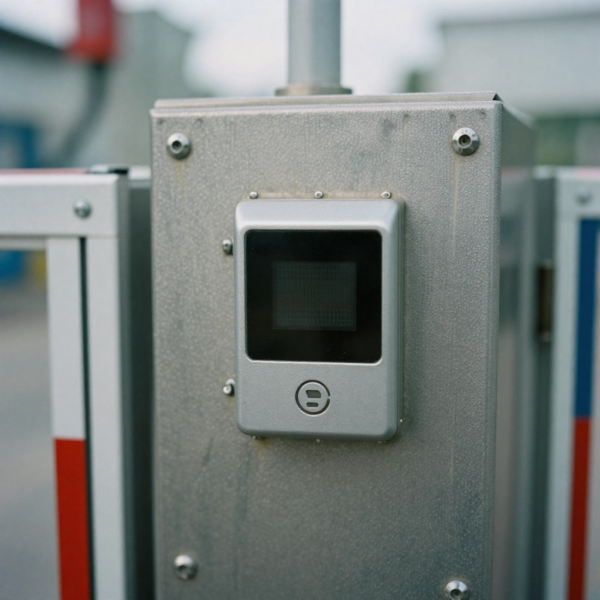
Choosing the Right Safety Sensors for Gates
When selecting safety sensors for gates, installers should consider:
-
Risk level
-
Gate type and size
-
Traffic patterns
-
Environmental conditions
-
Compliance requirements
There is no universal solution—only well-designed systems.
Future Direction of Gate Sensor Technologies
Gate sensor technology is evolving toward:
-
Smarter signal processing
-
Improved environmental discrimination
-
Integration with access control and automation systems
-
Enhanced diagnostics and alerts
Dual-technology and multi-layer safety systems are becoming the norm.

Final Installation Checklist
Before handover:
-
Confirm correct sensor selection
-
Verify mounting and alignment
-
Test under multiple conditions
-
Document safety compliance
-
Educate the end user
Conclusion: Safety-First Gate Sensor Installation
Comparing infrared, microwave, and dual-technology sensors is not about choosing a “better” technology—it is about choosing the right combination for each site. Each of these gate sensor technologies has strengths and limitations, and safe installations often rely on multiple layers of detection.
By understanding how different safety sensors for gates work and applying best-practice installation techniques, installers and property owners can create gate systems that are not only compliant, but genuinely safe, reliable, and fit for long-term use.