

In today’s rapidly evolving digital landscape, businesses and organizations are increasingly adopting intelligent technologies to streamline operations, enhance efficiency, and remain competitive. One of the most transformative innovations driving this shift is data analytics integrated within Smart Automation Solutions. By combining automation technologies with advanced analytics, companies can turn vast amounts of operational data into actionable insights that improve performance and decision-making.
Modern automation platforms are no longer limited to simple task execution. Instead, they leverage analytics, artificial intelligence, machine learning, and cloud computing to create adaptive systems capable of learning and improving over time. These advanced Smart Automation Platforms allow organizations to automate complex workflows, predict operational trends, and optimize processes in real time.
This comprehensive guide explores how data analytics powers Smart Automation Solutions, the technologies involved, key benefits, real-world applications, implementation strategies, and the future of analytics-driven automation platforms.
Table of Contents
ToggleUnderstanding Smart Automation Solutions
Smart Automation Solutions are advanced digital platforms that automate processes while simultaneously analyzing data to improve system performance and decision-making. Unlike traditional automation systems that follow static instructions, smart automation platforms can analyze patterns, learn from data, and adjust operations dynamically.
These systems combine several technologies to create intelligent automation ecosystems, including:
-
Data analytics engines
-
Artificial intelligence and machine learning algorithms
-
Internet of Things (IoT) devices and sensors
-
Cloud computing infrastructure
-
Workflow automation tools
-
Integration with enterprise software systems
By leveraging these technologies, Smart Automation Solutions enable organizations to automate not only repetitive tasks but also complex decision-making processes that traditionally required human intervention.
For example, a smart logistics platform may analyze delivery routes, traffic conditions, and shipment priorities to automatically optimize transportation schedules in real time.
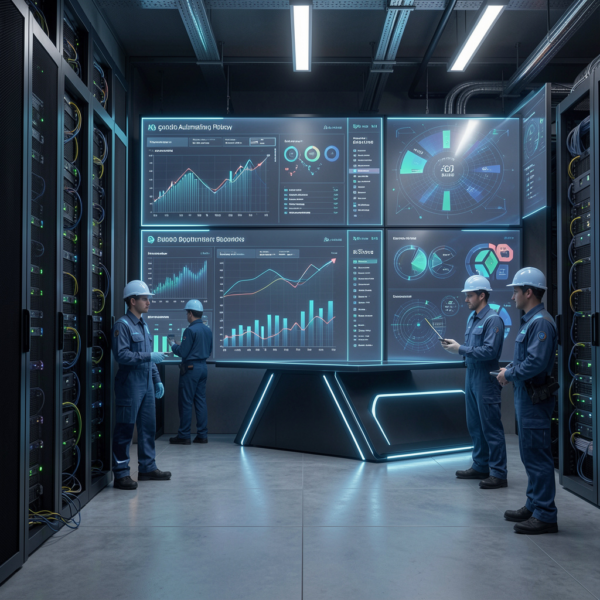
The Role of Data Analytics in Smart Automation Platforms
Data analytics is the core intelligence behind modern Smart Automation Solutions. Automation platforms generate massive volumes of operational data from sensors, devices, software systems, and user interactions. Without analytics, this data would have limited value.
Analytics platforms process and interpret data to provide insights that guide automated decisions. These insights allow automation systems to:
-
Detect inefficiencies in workflows
-
Predict system failures before they occur
-
Optimize resource allocation
-
Identify trends and patterns in operational data
-
Improve overall system performance
For instance, a manufacturing facility using Smart Automation Solutions may collect machine performance data continuously. Analytics tools analyze this data to identify early warning signs of equipment failure, allowing maintenance teams to intervene before production is disrupted.
Types of Data Analytics Used in Smart Automation Solutions
Different types of analytics work together within Smart Automation Solutions to create intelligent automation platforms.
Descriptive Analytics
Descriptive analytics focuses on analyzing historical data to understand past performance. Automation platforms use descriptive analytics to generate reports, dashboards, and visualizations that help managers understand operational trends.
Diagnostic Analytics
Diagnostic analytics examines data relationships to determine why specific events occurred. This approach helps organizations identify the root causes of operational issues.
Predictive Analytics
Predictive analytics uses statistical models and machine learning algorithms to forecast future outcomes based on historical data. In Smart Automation Solutions, predictive analytics enables systems to anticipate system failures, demand fluctuations, or operational disruptions.
Prescriptive Analytics
Prescriptive analytics goes one step further by recommending actions that should be taken to achieve optimal outcomes. Automation platforms can automatically execute these recommendations to improve system performance.
Together, these analytics approaches allow Smart Automation Solutions to deliver highly intelligent automation capabilities.

Data Sources for Smart Automation Platforms
Data-driven automation relies on collecting large amounts of information from multiple sources. Modern Smart Automation Solutions integrate data from various systems to gain a comprehensive view of operations.
Common data sources include:
-
IoT sensors and connected devices
-
Industrial machines and production equipment
-
Enterprise software applications
-
Customer relationship management systems
-
Supply chain management platforms
-
Smart building management systems
-
Network infrastructure monitoring tools
These diverse data streams are processed through analytics engines that transform raw data into meaningful insights.
For example, in a smart building environment, sensors collect data about occupancy levels, temperature, lighting, and energy usage. Automation systems analyze this information to optimize energy consumption and maintain comfortable indoor environments.
Real-Time Data Analytics in Smart Automation Solutions
Real-time analytics is one of the most powerful capabilities of modern Smart Automation Solutions. Instead of analyzing data hours or days after it is generated, real-time systems process information instantly as events occur.
This capability enables automation platforms to respond to changing conditions immediately. Examples include:
-
Adjusting manufacturing processes based on sensor feedback
-
Modifying energy consumption in smart buildings
-
Updating logistics routes based on traffic conditions
-
Detecting cybersecurity threats in real time
Real-time analytics significantly improves operational efficiency by enabling systems to adapt dynamically.
For example, a smart warehouse may use real-time analytics to track inventory levels and automatically trigger restocking processes when supplies reach predefined thresholds.

Key Benefits of Data Analytics in Smart Automation Solutions
Integrating data analytics into Smart Automation Solutions provides numerous advantages for organizations across industries.
Improved Operational Efficiency
Automation platforms can analyze operational data to identify inefficiencies and optimize workflows automatically.
Enhanced Decision-Making
Analytics provides decision-makers with actionable insights derived from large datasets, enabling more informed business decisions.
Reduced Operational Costs
Predictive analytics can reduce maintenance costs by identifying equipment issues before failures occur.
Increased Productivity
Automation systems can handle repetitive tasks, allowing employees to focus on higher-value activities.
Better Customer Experiences
Organizations can analyze customer behavior and preferences to deliver more personalized services.
Scalability and Flexibility
Analytics-driven automation systems can easily scale as organizations grow or adapt to new business requirements.
By leveraging these benefits, businesses can achieve greater operational efficiency and competitiveness.
Industry Applications of Smart Automation Solutions
Data-driven Smart Automation Solutions are transforming operations across numerous industries.
Manufacturing
Smart factories use analytics-powered automation systems to monitor production processes, improve product quality, and reduce downtime.
Logistics and Supply Chain
Automation platforms analyze supply chain data to optimize transportation routes, manage inventory levels, and forecast demand.
Healthcare
Healthcare providers use automation systems to analyze patient data, improve diagnostics, and streamline administrative workflows.
Smart Buildings and Infrastructure
Smart building systems analyze data from sensors to optimize energy consumption, security, and building maintenance.

Financial Services
Banks and financial institutions use automation platforms to detect fraudulent transactions and manage risk more effectively.
Retail
Retail businesses analyze customer behavior and sales data to optimize inventory management and marketing strategies.
These industry applications demonstrate the versatility of Smart Automation Solutions across various sectors.
Integration of Artificial Intelligence and Machine Learning
Artificial intelligence and machine learning significantly enhance the capabilities of Smart Automation Solutions. These technologies enable automation systems to learn from data and improve performance over time.
Machine learning algorithms allow automation platforms to:
-
Identify complex patterns in data
-
Improve predictive accuracy
-
Detect anomalies in system behavior
-
Automate decision-making processes
AI-powered automation systems can also adapt to new situations without requiring manual reprogramming.
For example, an AI-driven customer service automation platform can analyze past interactions to improve response accuracy and provide personalized recommendations to customers.
The Role of Cloud Computing in Smart Automation
Cloud computing provides the infrastructure necessary for large-scale analytics and automation systems.
Cloud-based Smart Automation Solutions offer several advantages:
-
Scalable computing power
-
Centralized data storage
-
Real-time analytics processing
-
Remote system monitoring
-
Seamless integration with enterprise applications
Cloud platforms also enable organizations to deploy automation solutions quickly without significant hardware investments.
This flexibility allows businesses of all sizes to implement advanced automation technologies.

Cybersecurity Considerations in Smart Automation Solutions
As automation systems become increasingly connected, cybersecurity becomes a critical concern. Smart Automation Solutions must protect sensitive data and prevent unauthorized access to systems.
Key cybersecurity strategies include:
-
Implementing strong authentication and access controls
-
Encrypting data transmissions
-
Monitoring networks for unusual activity
-
Conducting regular security audits
-
Updating software and security patches regularly
Organizations must prioritize cybersecurity to ensure that automation platforms remain secure and reliable.
Challenges in Implementing Smart Automation Solutions
Despite their advantages, organizations may encounter several challenges when implementing analytics-driven automation systems.
Data Integration Complexity
Combining data from multiple systems and devices can be technically complex.
Data Quality Issues
Poor-quality or inconsistent data can reduce the effectiveness of analytics.
Skills and Expertise Gaps
Organizations may require specialized expertise in data analytics, AI, and automation technologies.
High Initial Investment
Implementing advanced automation platforms may require significant upfront investment.
However, these challenges can be overcome through careful planning, strategic investments, and skilled personnel.

Best Practices for Implementing Smart Automation Solutions
Organizations can maximize the success of automation initiatives by following best practices.
Define Clear Business Objectives
Identify the specific goals automation systems should achieve.
Establish Strong Data Governance
Ensure that data collected across systems is accurate, consistent, and secure.
Select Scalable Technology Platforms
Choose automation solutions that can grow alongside the organization.
Prioritize Security and Compliance
Implement cybersecurity measures and ensure compliance with relevant regulations.
Invest in Employee Training
Provide employees with training to effectively manage and use automation technologies.
These strategies help ensure successful deployment of Smart Automation Solutions.
Future Trends in Smart Automation and Data Analytics
The future of Smart Automation Solutions is closely linked to advancements in analytics and digital technologies.
Several emerging trends are shaping the next generation of automation platforms.
Hyperautomation
Hyperautomation integrates multiple automation technologies to automate complex end-to-end business processes.
Edge Analytics
Edge computing allows data to be processed closer to its source, reducing latency and improving responsiveness.
Autonomous Systems
Future automation platforms may operate with minimal human supervision, making decisions independently.
Advanced Predictive Intelligence
Improved machine learning models will deliver even more accurate predictions and insights.
AI-Driven Process Optimization
Artificial intelligence will enable automation systems to continuously refine and optimize workflows.
These innovations will further expand the capabilities of Smart Automation Solutions.

Conclusion
Data analytics has become the driving force behind modern automation platforms. By combining advanced analytics, artificial intelligence, and cloud technologies, organizations can create intelligent systems capable of optimizing operations in real time.
Smart Automation Solutions powered by data analytics enable businesses to improve efficiency, reduce operational costs, enhance decision-making, and deliver better customer experiences. From manufacturing and logistics to healthcare and finance, analytics-driven automation is transforming how organizations operate.
As digital transformation continues to accelerate, businesses that invest in Smart Automation Solutions will be better positioned to adapt to changing market demands and remain competitive in the data-driven economy.
Explore our automation platforms powered by advanced analytics and intelligent technology.