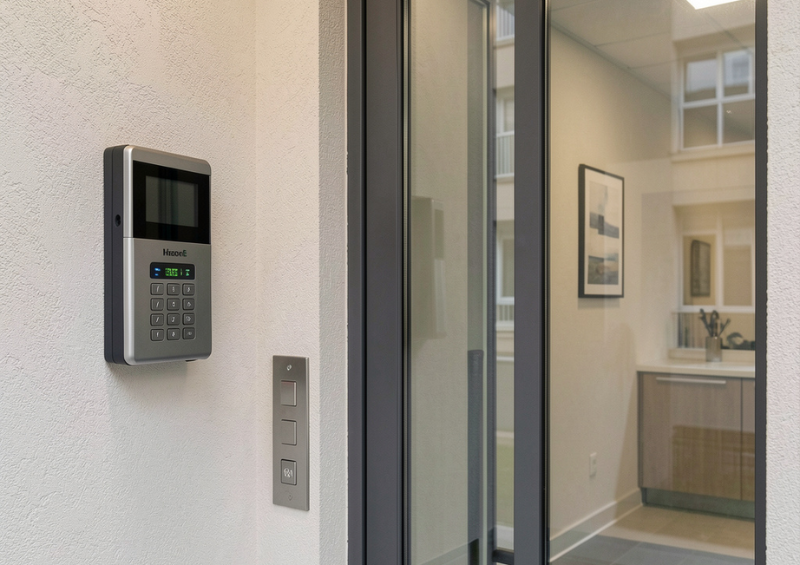
As cities grow denser and buildings become more complex, multi-tenant properties—such as apartment complexes, mixed-use developments, office towers, and strata-managed buildings—face increasing pressure to balance security, convenience, and efficient management. Traditional lock-and-key solutions are no longer practical in environments where dozens or even hundreds of people need different levels of access, and where tenants, staff, and visitors change frequently.
A modern access control system is no longer a luxury for multi-tenant buildings; it is a foundational infrastructure choice. The right system protects people and property, simplifies day-to-day management, improves tenant experience, and helps owners meet regulatory and insurance requirements. The wrong system, however, can result in security gaps, high operational costs, and constant frustration for building managers and occupants alike.
This in-depth buyer’s guide explores how to choose the right access control system for multi-tenant buildings, covering technical options, practical considerations, compliance issues, and long-term planning. Whether you are a property owner, developer, strata manager, or facility operator, this guide will help you make an informed decision that stands the test of time.
Table of Contents
ToggleWhat makes access control in multi-tenant buildings different
Access control in a single-family home or small office is relatively straightforward. In contrast, multi-tenant buildings introduce layers of complexity that must be carefully managed.
Key differences include:
-
Multiple independent tenants with different access rights
-
Shared spaces alongside private areas
-
High turnover of occupants and staff
-
The need for centralised management with delegated permissions
-
Greater legal and safety responsibilities
A suitable access control system must be flexible enough to handle these variables without becoming overly complex or difficult to maintain.
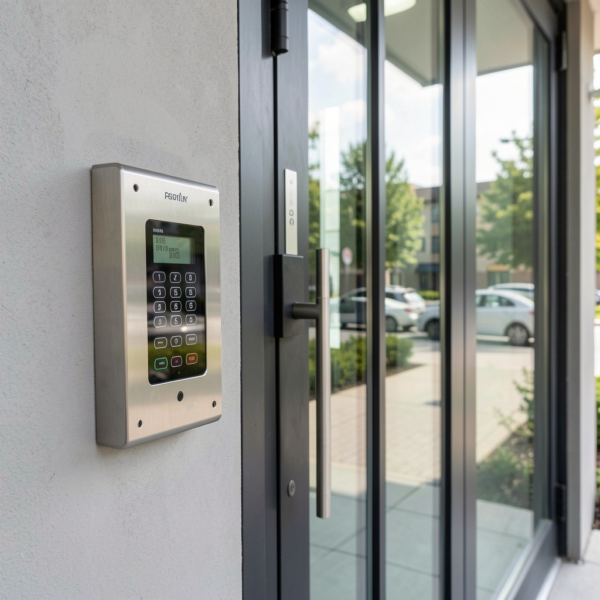
Defining the role of an access control system
At its core, an access control system determines who can access which areas, at what times, and under what conditions. In a multi-tenant context, this includes:
-
Granting tenants access to their own units
-
Controlling entry to shared amenities
-
Restricting staff-only or management areas
-
Managing visitor and contractor access
-
Recording access events for auditing and security
The system acts as both a physical security layer and a management tool, making it central to building operations.
Understanding your building type and usage patterns
Before selecting an access control system, it’s essential to understand how your building is used.
Residential apartment buildings
These typically prioritise:
-
Ease of use for residents
-
Secure main entrances
-
Visitor access through intercom integration
-
Simple onboarding and offboarding of tenants
Commercial office buildings
These often require:
-
Time-based access schedules
-
Departmental or floor-level permissions
-
Integration with workplace safety systems
-
Detailed audit trails
Mixed-use developments
Mixed-use buildings combine residential, retail, and commercial spaces, making access control more complex. The system must support multiple access models within the same infrastructure.
Mapping access points and zones
A successful access control system starts with careful planning of access points.
Common zones in multi-tenant buildings include:
-
Main entry doors
-
Secondary or after-hours entrances
-
Individual apartment or office doors
-
Lifts and stairwells
-
Car parks and garages
-
Storage rooms and plant areas
-
Rooftop or recreational facilities
Each zone may require different access rules. A scalable access control system allows these zones to be defined clearly and adjusted over time.
Credential types: choosing what tenants will use
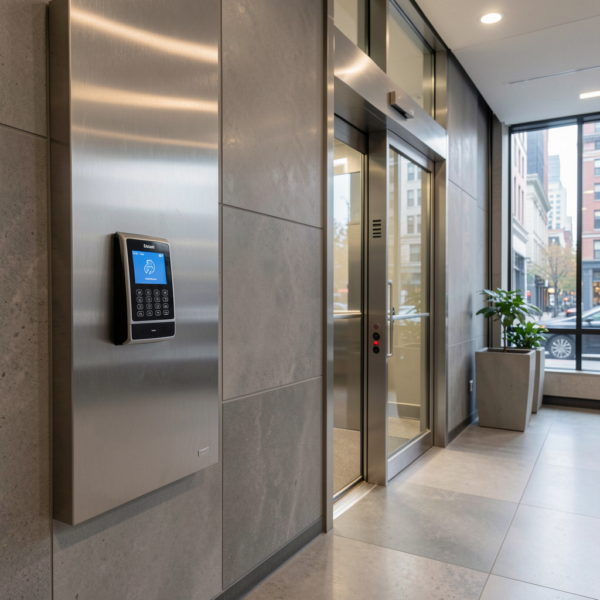
The credential is the user-facing part of the system. Choosing the right credential type affects security, cost, and user satisfaction.
Cards and key fobs
Widely used and familiar, cards and fobs are easy to issue and revoke. They work well in residential and commercial settings but can be lost or shared.
PIN codes
PINs reduce the need for physical credentials but are vulnerable to sharing and observation. They are often best used as a secondary method rather than the sole credential.
Mobile credentials
Smartphone-based access offers convenience and remote management. Credentials can be issued or revoked instantly, making them ideal for high-turnover environments.
Biometrics
Fingerprint or facial recognition provides high security but raises privacy considerations. Biometrics are more common in high-security commercial or restricted-access areas.
Many modern access control systems support multiple credential types simultaneously, allowing flexibility for different users.
Centralised vs distributed system architecture
The architecture of an access control system determines how decisions are made and how resilient the system is.
Centralised systems
A central server manages all access decisions. This simplifies administration and reporting but may rely heavily on network availability.
Distributed systems
Each door controller makes its own decisions based on stored credentials. This improves resilience and allows continued operation during network outages.
For multi-tenant buildings, a hybrid approach is often ideal—centralised management with distributed decision-making at the door level.
Cloud-based access control for modern buildings
Cloud-based access control systems have become increasingly popular, particularly for multi-tenant environments.
Benefits include:
-
Remote management from any location
-
Easier software updates
-
Simplified scalability
-
Reduced on-site IT infrastructure
However, cloud-based systems depend on reliable internet connectivity and robust cybersecurity practices. Evaluating the provider’s security and uptime guarantees is critical.
On-premises systems: when they make sense
On-premises access control systems store data locally and operate independently of cloud services.
They may be preferred when:
-
Internet reliability is inconsistent
-
Data sovereignty is a concern
-
Custom integrations are required
-
Long-term operating costs must be tightly controlled
In some cases, on-premises systems can still offer remote access through secure connections.
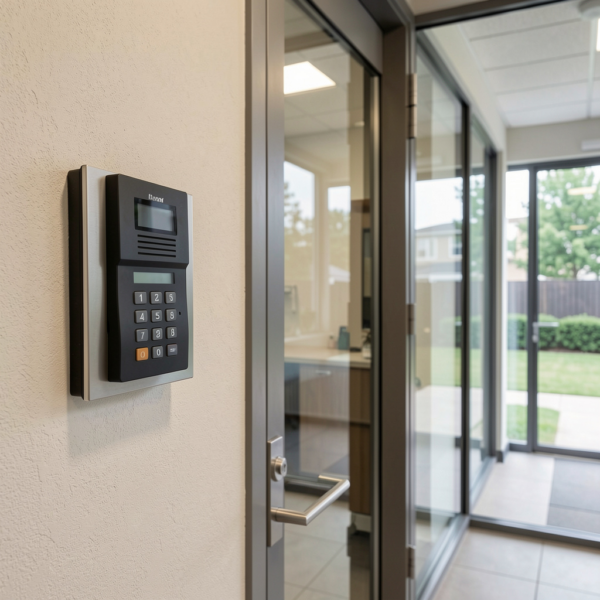
Managing tenant turnover efficiently
High tenant turnover is a reality in many multi-tenant buildings. An effective access control system should make onboarding and offboarding quick and error-free.
Key capabilities include:
-
Instant credential activation and deactivation
-
Bulk user management
-
Temporary access for move-ins and move-outs
-
Clear audit logs
This reduces the risk associated with lost keys or delayed access changes.
Integration with intercoms and visitor access
Access control does not operate in isolation. In residential and mixed-use buildings, integration with intercom systems is especially important.
Integration allows:
-
Visitors to request access remotely
-
Tenants to unlock doors via indoor monitors or smartphones
-
Better control of deliveries and service access
This integration improves both security and convenience.
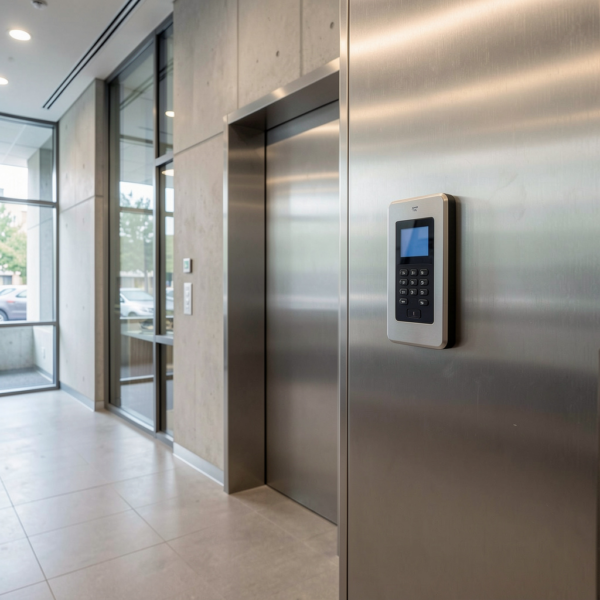
Lift access control in multi-storey buildings
Lift access control is a key consideration in taller buildings.
An access control system can:
-
Restrict access to certain floors
-
Improve tenant privacy
-
Reduce unauthorised movement
This is particularly important in mixed-use developments where residential and commercial areas coexist.
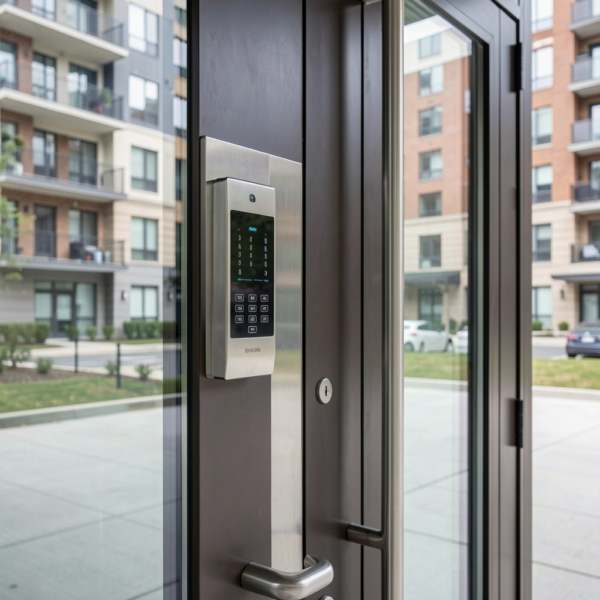
Car park and vehicle access control
Vehicle access is often overlooked but presents significant security risks.
An integrated access control system can:
-
Manage car park entry
-
Assign parking access to specific tenants
-
Integrate with license plate recognition or remote controls
Vehicle access should be managed with the same care as pedestrian access.
Scalability and future expansion
Buildings evolve. Tenants change, spaces are repurposed, and new technologies emerge.
When choosing an access control system, consider:
-
Maximum supported users and doors
-
Ease of adding new hardware
-
Software upgrade paths
-
Compatibility with future technologies
A system that cannot scale may require replacement sooner than expected.
Reliability, redundancy, and fail-safe operation
In multi-tenant buildings, access control failures can cause widespread disruption.
Important reliability features include:
-
Battery backup
-
Offline operation
-
Redundant controllers or servers
-
Secure fail-safe modes
Doors must also allow safe egress during emergencies, regardless of system state.
Compliance with Australian regulations and standards
Access control systems must comply with Australian building, safety, and accessibility regulations.
Key considerations include:
-
Emergency egress requirements
-
Disability access standards
-
Workplace health and safety obligations
Non-compliance can expose building owners and managers to legal and financial risk.
Privacy and data management responsibilities
Modern access control systems collect and store data about people’s movements.
Responsible management includes:
-
Limiting access to sensitive data
-
Secure storage and encryption
-
Clear policies for data retention
-
Transparency with tenants
Privacy considerations are increasingly important in multi-tenant environments.
Administration and usability for building managers
A powerful system is only effective if it is usable.
Building managers should look for:
-
Intuitive management interfaces
-
Clear reporting tools
-
Role-based administration
-
Minimal training requirements
Ease of use reduces errors and improves response times.
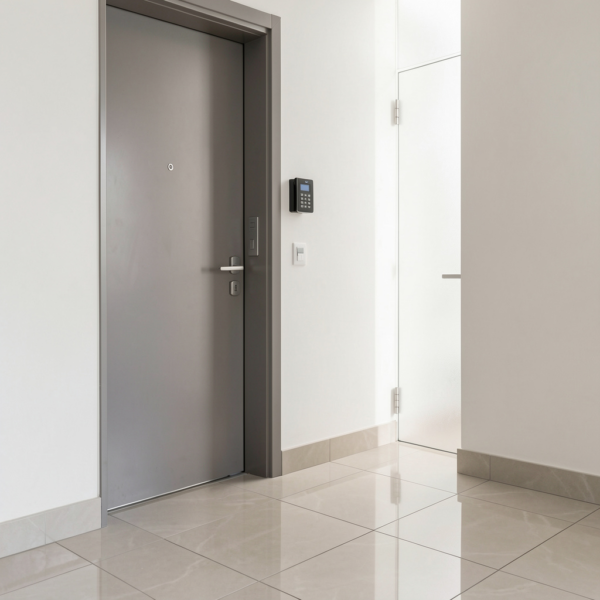
Maintenance, support, and long-term costs
The true cost of an access control system extends beyond initial purchase.
Consider:
-
Ongoing software fees
-
Credential replacement costs
-
Hardware maintenance
-
Technical support availability
A slightly higher upfront cost may result in lower long-term expenses.
Retrofitting access control into existing buildings
Many multi-tenant buildings are retrofits rather than new constructions.
A retrofit-friendly access control system should:
-
Work with existing doors and wiring
-
Minimise disruption to occupants
-
Support phased installation
Wireless or hybrid solutions are often ideal for retrofits.
Wired, wireless, and hybrid approaches
Each approach has advantages and trade-offs.
-
Wired systems offer stability and security
-
Wireless systems simplify installation
-
Hybrid systems balance reliability and flexibility
The best choice depends on building layout and infrastructure.
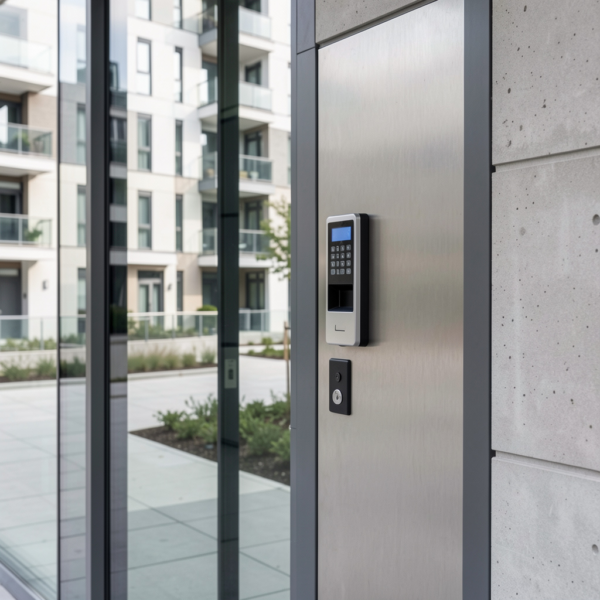
Risks of outdated or legacy systems
Legacy access control systems may:
-
Lack modern encryption
-
Be incompatible with new credentials
-
Require manual management
Upgrading improves security, efficiency, and tenant satisfaction.
Enhancing tenant experience through access control
A modern access control system contributes to a positive tenant experience.
Benefits include:
-
Faster entry
-
Reduced key management issues
-
Easy visitor access
-
Improved perception of building quality
Happy tenants are more likely to renew leases and recommend the property.
Common mistakes to avoid when choosing a system
Common pitfalls include:
-
Choosing based solely on price
-
Ignoring future scalability
-
Overlooking integration needs
-
Underestimating management workload
Careful planning avoids costly rework.
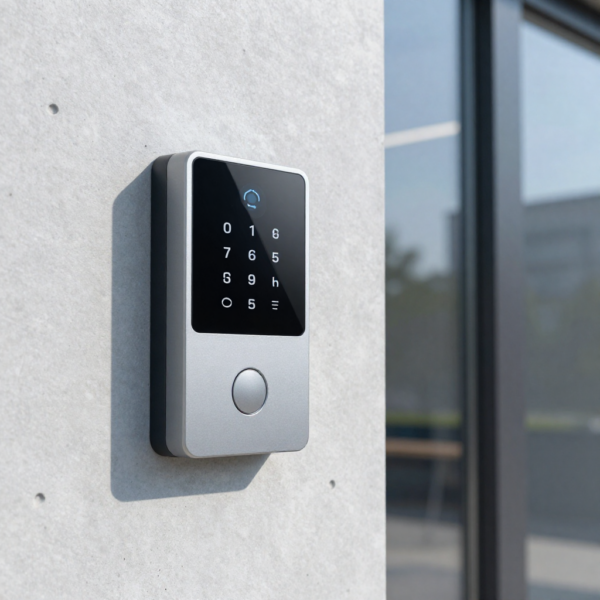
Selecting the right supplier and installer
The success of an access control system depends heavily on the supplier and installer.
Look for partners who:
-
Have experience with multi-tenant buildings
-
Understand local regulations
-
Offer long-term support
Professional installation ensures the system performs as intended.
Budgeting realistically for access control
A realistic budget should include:
-
Hardware
-
Installation
-
Software
-
Training
-
Ongoing support
Transparent budgeting prevents unpleasant surprises.
When to upgrade or replace an existing system
Signs an upgrade is needed include:
-
Frequent faults
-
Difficulty managing users
-
Poor security features
-
Tenant complaints
Upgrading can often reduce operational costs and risks.
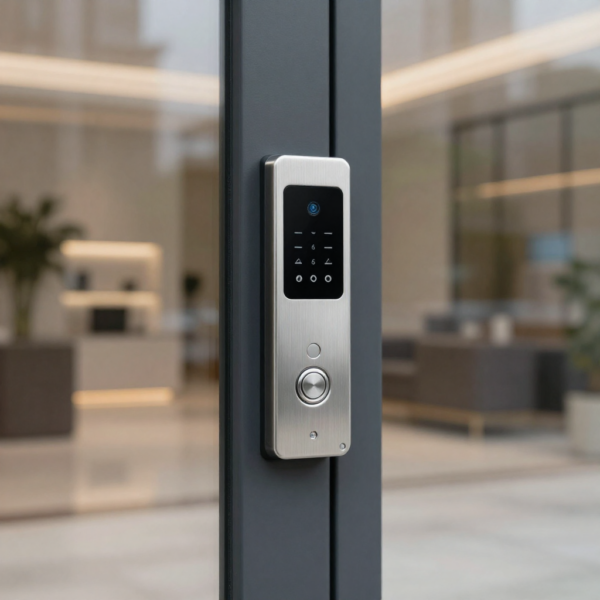
Future trends in access control for multi-tenant buildings
The access control industry continues to evolve.
Emerging trends include:
-
Mobile-first credentials
-
Touchless access
-
Integration with smart building platforms
-
Advanced analytics and reporting
Choosing a future-ready access control system protects your investment.
Final thoughts
Choosing the right access control system for a multi-tenant building is a strategic decision with long-term implications. It affects security, tenant satisfaction, operational efficiency, and regulatory compliance.
By carefully assessing your building’s needs, planning for growth, and selecting a flexible, reliable system, you can create a safer and more manageable environment for everyone who uses the building. A well-chosen access control system is not just about restricting entry—it’s about enabling secure, efficient, and future-proof living and working spaces.
Purchase Access Control Systems designed for secure shared buildings