Modern security is no longer about standalone systems – it’s about connected ecosystems that deliver real-time control. At the heart of this evolution is centralised monitoring, a strategy that allows multiple devices, locations, and systems to be managed through a single platform. For security integrators and alarm providers, this approach is becoming essential.
One key component in this ecosystem is the Z-Wave siren. These wireless devices contribute to data flow, automation, and system intelligence. By integrating seamlessly into monitoring platforms, they enhance both visibility and response capabilities.
In this article, we’ll explore how Z-Wave sirens support centralised monitoring and how solutions like the Vision Z-Wave Outdoor Siren fit into modern deployments. Keep reading!
What Is Centralised Monitoring in Alarm Systems?
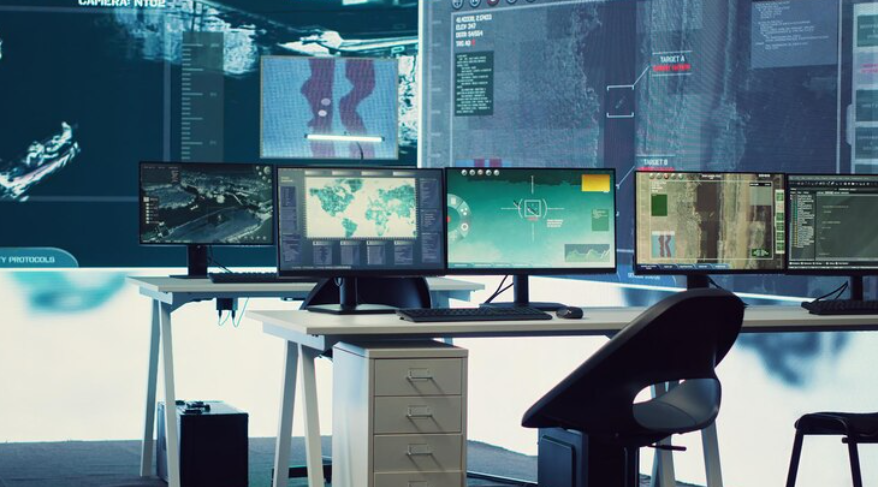
Centralised monitoring enables multiple devices and systems to communicate and be managed through a single, unified platform. Rather than relying on isolated alarms or manual checks, this approach aggregates data from sensors, sirens, controllers, and other devices into a single interface. This gives operators complete visibility into their environment. Centralised monitoring is considered the backbone of modern security architecture.
In a typical setup, various endpoints such as motion detectors, door/window sensors, flood sensors, and Z-Wave siren devices send real-time data to a central hub or controller. This information is then processed and displayed through a monitoring dashboard, which can be accessed remotely via desktop or mobile devices. The result is a cohesive system in which every component contributes to the bigger picture.
The benefits of centralised monitoring are significant.
First, it provides real-time alerts, ensuring that any triggered event – whether intrusion, fire, or environmental hazard – is immediately flagged.
Second, it enables remote visibility, allowing operators or property managers to monitor multiple sites without being physically present.
Third, it supports faster incident response, as alerts can trigger automated actions such as activating sirens, notifying security personnel, or locking down access points.
This model is especially critical for:
- Multi-site businesses, where managing separate alarm systems individually would be inefficient
- Critical infrastructure, where rapid response and redundancy are essential
- Smart buildings, where security integrates with automation, energy management, and access control
By bringing everything into one platform, centralised monitoring transforms security from reactive to proactive – delivering greater control, efficiency, and peace of mind.
The Role of Z-Wave Sirens in a Connected Security Ecosystem
Within a connected security ecosystem, the Z-Wave siren plays a dual role that goes far beyond traditional alarm systems. Built on Z-Wave wireless technology, these sirens operate within a mesh network, where each device can relay signals to others. This feature helps improve reliability and coverage across the system.
In this network, Z-Wave sirens integrate seamlessly with sensors, hubs, and controllers. When a sensor detects an event – such as motion, glass breakage, or water leakage – it sends a signal through the mesh network to the central controller. The controller then processes the event and can trigger the siren instantly, along with other automated responses.
One of the key advantages of this setup is interoperability. Z-Wave devices are designed to work across different brands and platforms, allowing integrators to build flexible systems tailored to specific requirements. This makes it easy to incorporate a Z-Wave siren into existing installations or expand systems over time.
Z-Wave sirens serve two essential functions:
- Audible and visual deterrence: A loud siren combined with flashing lights immediately alerts occupants and deters intruders
- Signal confirmation within monitoring systems: The activation of a siren confirms that an event has occurred and that the system has responded accordingly
Importantly, these sirens are not just output devices – they are also communication endpoints. They can report status updates, battery levels, and tamper alerts back to the central platform, contributing to overall system intelligence.
In this way, Z-Wave sirens act as both responders and informers, reinforcing the effectiveness of centralised monitoring systems.
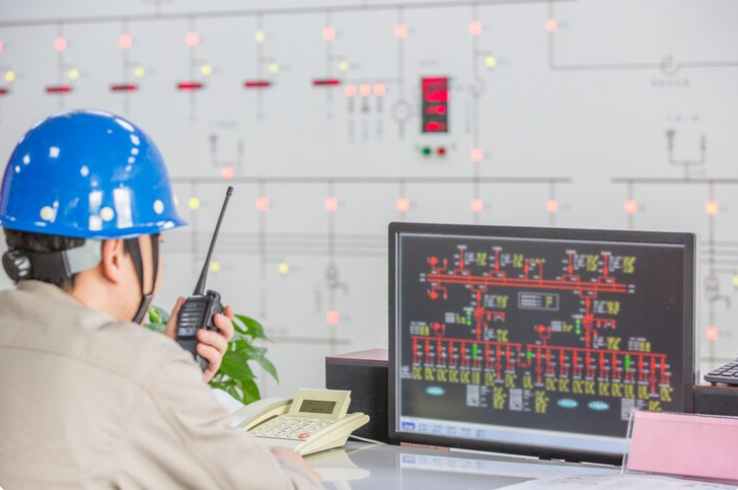
Key Integration Benefits for Centralised Monitoring Platforms
When it comes to building robust centralised monitoring systems, Z-Wave sirens offer a range of integration advantages that make them a preferred choice for security professionals.
- Seamless Platform Integration
Z-Wave sirens are compatible with major gateways and security panels, allowing them to integrate smoothly into existing ecosystems. This reduces setup complexity and ensures consistent performance across devices.
- Real-Time Event Synchronisation
Events detected by sensors are instantly communicated to the siren and the monitoring platform. This enables immediate activation and ensures that all system components remain in sync, improving situational awareness.
- Wireless Deployment Flexibility
With no need for complex wiring, Z-Wave sirens can be installed quickly in both new builds and retrofit projects. This flexibility is particularly valuable for large-scale deployments or sites where cabling is impractical.
- Scalable Architecture
Z-Wave networks can easily expand as new devices are added. Whether managing a single property or multiple locations, integrators can scale systems without overhauling existing infrastructure.
- Remote Configuration & Control
Through centralised monitoring dashboards, users can adjust siren settings, trigger alarms, or test devices remotely. This reduces the need for on-site visits and simplifies ongoing management.
- Event Logging & Reporting
Z-Wave sirens contribute to detailed system logs, recording when alarms are triggered and how the system responds. This data is invaluable for compliance, audits, and performance analysis.
Together, these benefits make Z-Wave sirens an integral part of any centralised monitoring strategy, supporting both operational efficiency and system reliability.
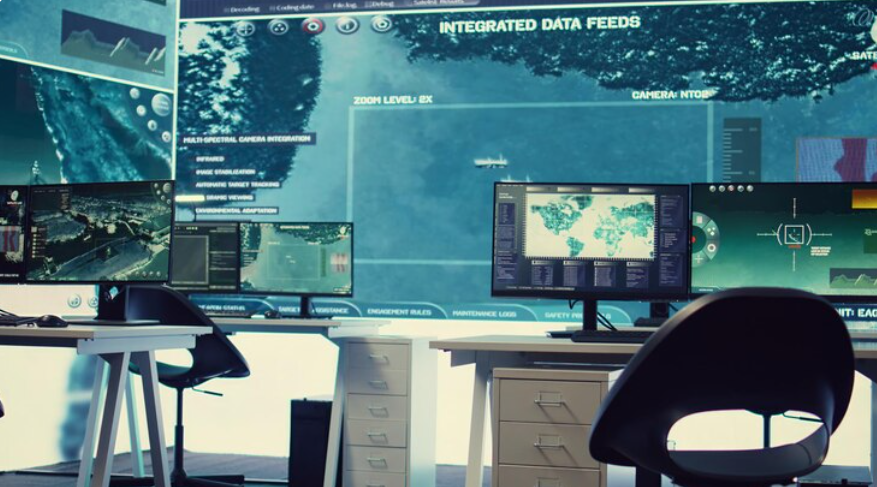
Use Cases: Where Z-Wave Sirens Enhance Monitoring Efficiency
Z-Wave sirens are versatile devices that can significantly improve the efficiency of centralised monitoring across a wide range of environments.
- Commercial Facilities
In offices, warehouses, and retail spaces, Z-Wave sirens provide immediate alerts for intrusion or unauthorised access. When integrated with monitoring platforms, they ensure incidents are detected and addressed without delay.
- Multi-Site Enterprises
Businesses operating across multiple locations benefit from centralised monitoring systems that unify all alarm data. Z-Wave sirens enable consistent alerting and response protocols across sites, simplifying management.
- Construction & Temporary Sites
These environments often lack permanent infrastructure, making wireless solutions essential. Z-Wave sirens can be deployed rapidly and relocated as needed, providing flexible security coverage.
- Residential Smart Homes
In smart homes, Z-Wave sirens integrate with automation systems to enhance safety. For example, they can trigger during break-ins, fires, or even water leaks, providing comprehensive protection.
- Critical Infrastructure
Facilities such as utilities, transport hubs, and data centres require layered security. Z-Wave sirens contribute to multi-tiered alerting systems, ensuring that any breach or anomaly is quickly identified and communicated.
Across these use cases, Z-Wave sirens’ seamless integration with centralised monitoring platforms makes them a powerful tool for improving response times and operational efficiency.
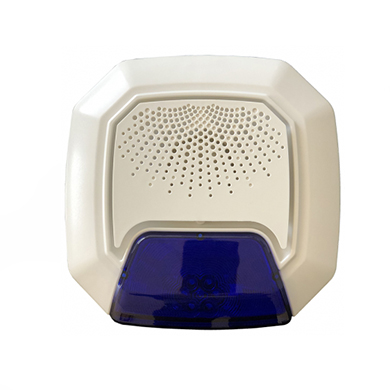
Vision Z-Wave Outdoor Siren in Centralised Systems
For integrators seeking to enhance centralised monitoring capabilities, the Vision Z-Wave Outdoor Siren offers a reliable, feature-rich solution. Designed for outdoor use and built to withstand tough conditions, it combines powerful alerting with seamless integration into Z-Wave ecosystems.
This siren delivers a strong combination of performance and practicality, making it suitable for both residential and commercial deployments. Its wireless design simplifies installation, while its compatibility with major controllers ensures smooth integration into existing systems.
Key features include:
- 115 dB siren with bright strobe for high-visibility alerts
- Z-Wave Plus compatibility for improved range and performance
- IP66-rated enclosure for outdoor durability
- Battery-powered operation with long lifespan
- Low battery and tamper alerts are sent directly to the monitoring platform
In a centralised monitoring setup, this siren enhances reliability by ensuring that alerts are both heard and logged. It can be paired with a wide range of Z-Wave sensors, including motion, flood, shock, and door/window devices, enabling comprehensive threat detection.
Additionally, it integrates with leading controllers such as Fibaro, Homeseer, and Alarm.com, enabling integrators to build cohesive, scalable systems. By combining strong alerting capabilities with intelligent reporting, the Vision Z-Wave Outdoor Siren plays a key role in modern security deployments.
Best Practices for Integrating Z-Wave Sirens into Monitoring Platforms
To maximise the effectiveness of Z-Wave sirens in a centralised monitoring system, integrators should follow best practices to ensure optimal performance and reliability.
- Optimise device placement: Position sirens to achieve maximum audibility and visibility, covering key entry points and high-risk areas.
- Leverage automation rules: Configure sirens to respond to multiple triggers, such as motion detection, door breaches, or environmental hazards, creating redundancy in alerting.
- Test Signal strength in mesh networks: Ensure that the Z-Wave network provides reliable communication paths between devices, especially in larger or more complex environments.
- Enable tamper & battery alerts: Activate all available notifications to maintain visibility over device status and prevent unexpected failures.
- Standardise across sites: Use consistent configurations and device types across multiple locations to simplify management and reduce complexity.
Final Thoughts,
As security systems continue to evolve, centralised monitoring has become a cornerstone of effective protection strategies. It brings together data from multiple devices on a single platform, enabling faster responses, better visibility, and more efficient management across all environments.
Z-Wave sirens play a crucial role in this ecosystem. Their ability to provide immediate audible alerts while also communicating with monitoring platforms makes them invaluable for both detection and response. With features such as wireless deployment, scalability, and real-time reporting, they enhance the intelligence and reliability of security systems.
Solutions like the Vision Z-Wave Outdoor Siren demonstrate how modern devices can seamlessly integrate into centralised monitoring setups, delivering dependable performance in both residential and commercial applications.
For security professionals and integrators, adopting Z-Wave-enabled sirens is a smart step towards building unified monitoring systems for today’s connected world.