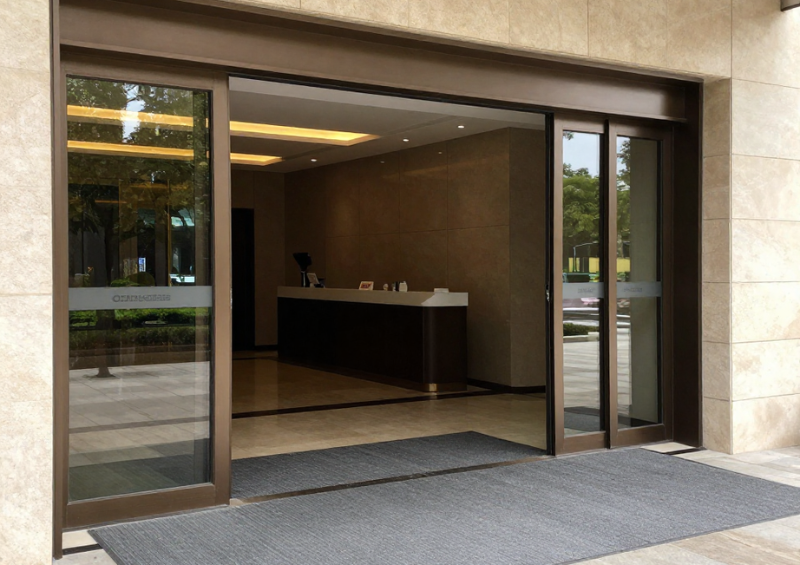
Accessibility is no longer a “nice to have” feature—it is an essential part of modern building design. From private homes to medical clinics and aged care facilities, environments must be safe, comfortable, and easy to navigate for people of all ages and abilities. One of the most effective ways to achieve this is through the use of an Automatic Sliding Door.
This buyer’s guide explains how automatic sliding doors improve accessibility, why they are especially valuable in homes, clinics, and aged care settings, and what buyers should consider before choosing the right system. Whether you are a homeowner planning for future needs, a clinic manager improving patient flow, or an aged care operator focused on dignity and safety, this guide will help you make informed decisions.
Table of Contents
ToggleUnderstanding accessibility in modern buildings
Accessibility refers to the design of spaces that can be used comfortably and safely by everyone, including people with mobility challenges, visual impairments, reduced strength, or temporary injuries. True accessibility reduces physical barriers and allows people to move independently without assistance.
Doors are one of the most common obstacles in any building. Heavy manual doors, narrow openings, and awkward swing directions can create daily challenges. In high-use environments, poorly designed doors also slow movement and increase the risk of accidents.
An automatic sliding door directly addresses these issues by removing the need for physical force, simplifying entry and exit, and creating a clear, predictable pathway.
What is an Automatic Sliding Door
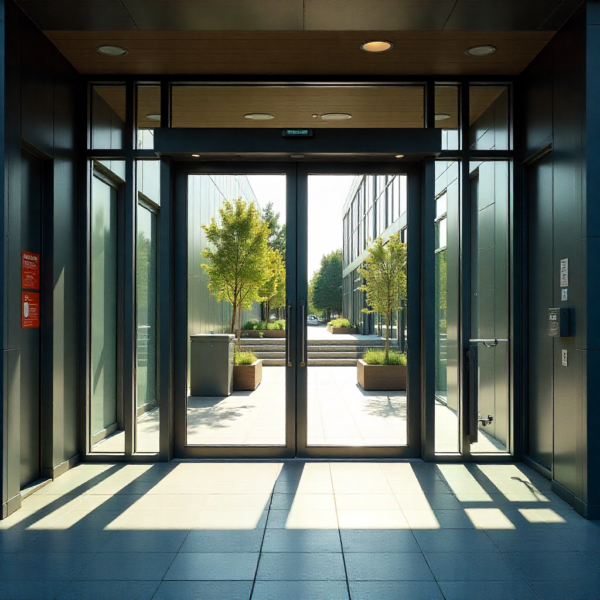
An automatic sliding door is a door system that opens and closes horizontally using a motor and control system. Activation is typically achieved through motion sensors, push buttons, touchless switches, or access control systems.
Because the door slides parallel to the wall instead of swinging outward or inward, it requires minimal clearance space. This makes it particularly suitable for tight corridors, entrances with frequent traffic, and environments where wheelchairs, walkers, or beds must pass through easily.
Automatic sliding doors are widely used in hospitals, clinics, shopping centres, and increasingly in residential homes and aged care facilities.
Why sliding doors are ideal for accessibility
Sliding doors offer inherent advantages over swing doors when it comes to accessibility. There is no door leaf to push against, pull open, or avoid as it swings.
The opening remains fully clear once the door is open, providing maximum usable width. This is especially important for wheelchairs, mobility scooters, prams, and hospital equipment.
An automatic sliding door also eliminates the risk of a door swinging into someone, which is a common concern for people with limited balance or vision.
Accessibility challenges in residential homes
Homes are increasingly being designed or modified to support ageing in place. As mobility changes over time, everyday tasks such as opening doors can become difficult or unsafe.
Heavy doors, narrow hallways, and tight entryways can limit independence. An automatic sliding door allows residents to move freely without assistance, preserving dignity and comfort.
For families caring for elderly relatives or people with disabilities, automated doors also reduce physical strain on carers.
Benefits of Automatic Sliding Doors in homes
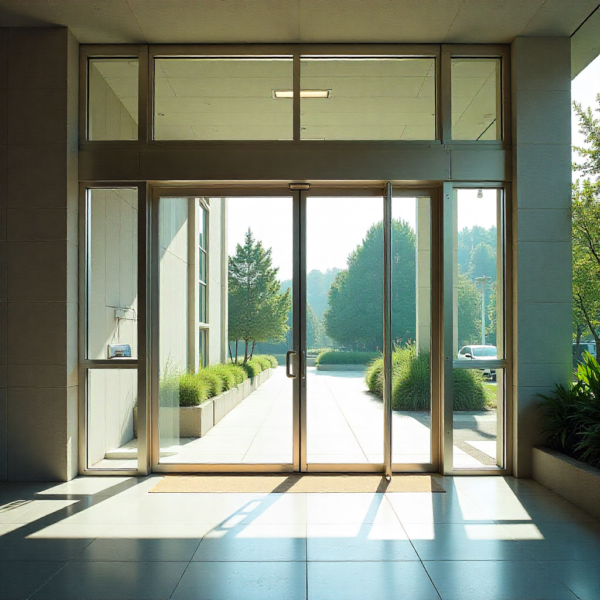
In residential settings, an automatic sliding door improves accessibility while blending seamlessly into modern design.
Hands-free operation is particularly valuable for people using mobility aids or carrying items. Sensors or wall-mounted buttons allow effortless entry and exit.
Sliding doors also improve safety by reducing trip hazards and eliminating sudden door movement. With proper configuration, opening and closing speeds can be adjusted for gentle, controlled operation.
From a lifestyle perspective, automatic sliding doors enhance comfort, convenience, and long-term usability of the home.
Accessibility requirements in medical clinics
Medical clinics must accommodate a wide range of patients, including those with injuries, chronic conditions, or temporary mobility limitations. Efficient movement through entrances, corridors, and treatment rooms is essential.
Manual doors can slow patient flow, create bottlenecks, and increase staff workload. In busy clinics, these inefficiencies quickly add up.
An automatic sliding door creates a smooth, intuitive entry point that supports both accessibility and operational efficiency.
How automatic sliding doors improve clinic workflow
In clinics, automatic sliding doors do more than improve accessibility—they enhance overall workflow.
Patients can enter treatment areas without assistance, reducing delays and stress. Staff can move equipment and beds easily without needing to hold doors open.
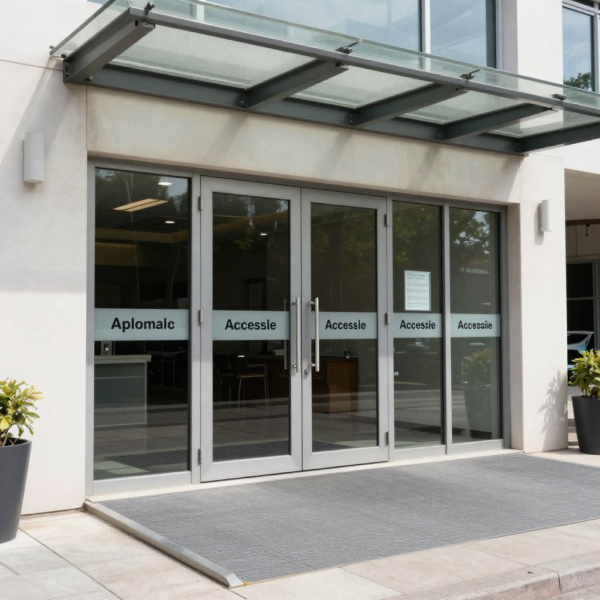
Touchless operation also supports hygiene, an important consideration in healthcare environments. Reducing contact with door handles helps limit the spread of germs and improves infection control.
Accessibility priorities in aged care facilities
Aged care facilities present unique accessibility challenges. Residents may have reduced strength, balance issues, cognitive impairment, or reliance on mobility aids.
Doors that are difficult to open can cause frustration, loss of independence, or even injury. For residents with dementia, complex door operation can also lead to confusion.
An automatic sliding door provides a simple, predictable experience that supports autonomy while maintaining safety.
Enhancing dignity and independence in aged care
One of the most significant benefits of automatic sliding doors in aged care is the preservation of dignity.
Residents can move through spaces independently without needing to ask for help. This sense of autonomy has a positive impact on mental wellbeing and quality of life.
Sliding doors also accommodate wheelchairs, walkers, and beds with ease, reducing physical strain on both residents and staff.
Safety advantages of automatic sliding doors
Safety is a core element of accessibility. Automatic sliding doors are designed with multiple safety features to protect users.
Sensors detect movement and prevent the door from closing on a person or object. Soft-start and soft-stop functions ensure smooth motion, reducing the risk of sudden movement.
In emergency situations, many systems default to an open position or integrate with fire safety systems to support safe evacuation.

Space efficiency and layout flexibility
Space efficiency is a major advantage of an automatic sliding door, particularly in clinics and aged care facilities where corridors must remain clear.
Unlike swing doors, sliding doors do not require clearance space for door movement. This allows furniture, handrails, and equipment to be placed closer to doorways without obstruction.
In residential homes, this flexibility supports open-plan design and makes small spaces more accessible.
Customising automatic sliding doors for accessibility needs
Modern automatic sliding door systems are highly configurable.
Opening width, speed, hold-open time, and activation methods can all be tailored to the specific needs of users. For example, slower opening speeds may be suitable for aged care, while faster operation may be preferred in busy clinics.
Activation options such as push buttons, touchless sensors, or remote controls allow the system to adapt to different physical abilities.
Integration with access control and security
Accessibility does not mean compromising security. Automatic sliding doors can be integrated with access control systems to manage who can enter specific areas.
In clinics, this helps protect patient privacy and control access to treatment zones. In aged care, it supports resident safety while still allowing free movement in approved areas.
For homes, integration with intercoms or smart home systems adds convenience without sacrificing security.
Retrofitting automatic sliding doors into existing buildings
Many buyers assume that automatic doors are only suitable for new construction. In reality, retrofitting is often possible.
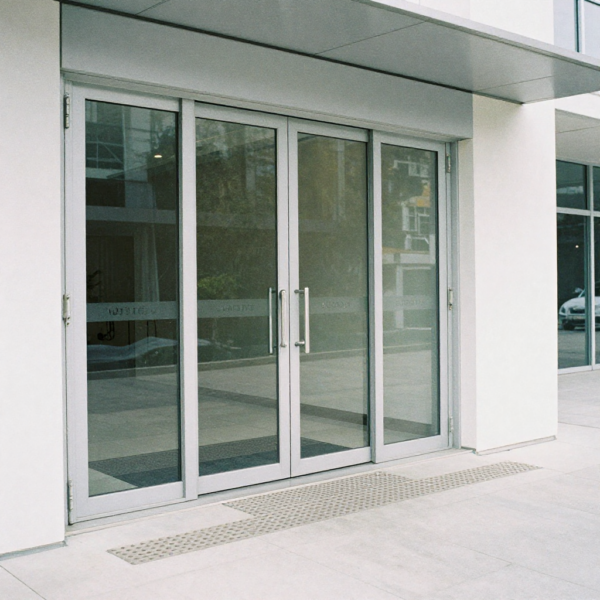
Existing doorways can be adapted with surface-mounted operators or compact sliding systems. Structural assessments are important to ensure the opening can support the system.
Retrofitting an automatic sliding door is a cost-effective way to improve accessibility without major renovations.
Common buyer concerns and misconceptions
A common misconception is that automatic sliding doors are only for commercial buildings. Advances in design and technology have made them suitable for residential use as well.
Another concern is cost. While automated systems require an initial investment, the long-term benefits in safety, usability, and reduced assistance often outweigh the expense.
Noise and reliability are also frequent concerns. Modern systems are designed for quiet operation and high durability when properly installed and maintained.
Choosing the right Automatic Sliding Door system
Selecting the right system depends on the environment and user needs.
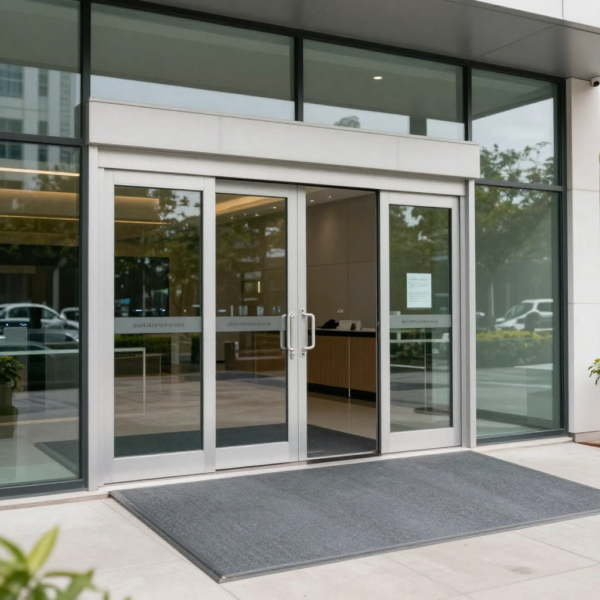
For homes, compact and discreet systems with gentle operation are often preferred. Clinics may require higher-duty systems designed for frequent use. Aged care facilities benefit from systems prioritising safety, predictability, and ease of use.
Buyers should consider door size, usage frequency, power supply, and integration requirements when making a decision.
Installation considerations for accessibility-focused doors
Proper installation is critical to achieving accessibility benefits.
Door alignment, sensor placement, and control configuration must be precise. Incorrect installation can lead to unreliable operation or reduced safety.
Working with experienced installers ensures the automatic sliding door meets both functional and accessibility requirements.
Maintenance and long-term performance
Regular maintenance helps preserve performance and safety. This includes checking sensors, cleaning tracks, and inspecting moving parts.
In high-use environments like clinics and aged care facilities, scheduled servicing is essential to prevent downtime.
Well-maintained automatic sliding doors provide reliable accessibility for many years.
Long-term value of investing in accessibility
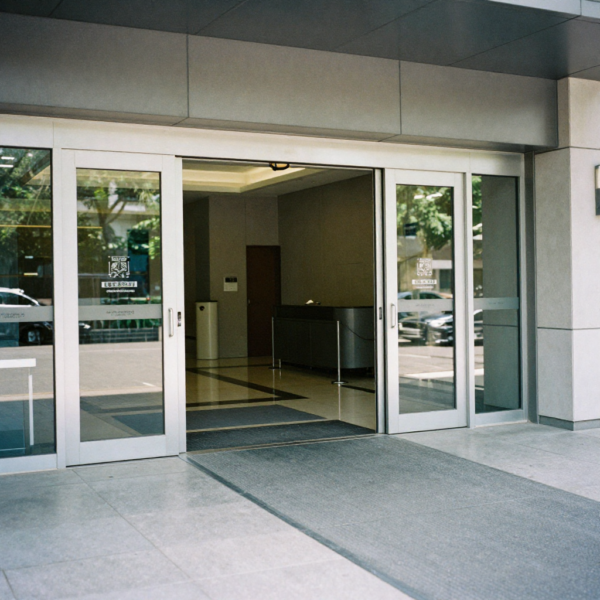
Investing in accessibility delivers long-term value beyond immediate compliance.
Accessible environments support ageing populations, reduce injury risk, and improve overall user experience. In healthcare and aged care, they also enhance reputation and operational efficiency.
An automatic sliding door is not just a building feature—it is an investment in people’s independence and wellbeing.
Who benefits most from automatic sliding doors
Homeowners planning for ageing in place benefit from future-proofing their homes. Clinics benefit from improved patient flow and hygiene. Aged care facilities benefit from safer, more dignified environments for residents.
Staff, carers, and visitors also benefit from reduced physical strain and smoother movement through spaces.
Final thoughts on accessibility and automatic sliding doors
Accessibility is about creating environments that work for everyone, regardless of physical ability. Doors play a central role in this experience.
An Automatic Sliding Door removes one of the most common physical barriers, enabling safe, dignified, and independent movement in homes, clinics, and aged care facilities.
For buyers seeking a practical, proven way to improve accessibility, automatic sliding doors remain one of the most effective and versatile solutions available today.