There’s a growing focus on creating spaces that prioritise safety and accessibility in aged care environments. One of the most impactful upgrades is the integration of automatic doors in aged care facilities. These systems are now a critical component of modern care design.
Automatic doors in aged care facilities play a vital role in daily operations, from reducing fall risks to supporting infection control and improving staff workflow. They enable residents to move more freely and confidently, while also helping carers perform their duties more efficiently. As compliance standards tighten and expectations rise, investing in reliable, elderly-friendly door automation is essential.
Understanding the Unique Access Challenges in Aged Care
Aged care facilities face very different access challenges compared to standard residential or commercial buildings. These environments must cater to individuals with varying physical and cognitive abilities, often within the same space.
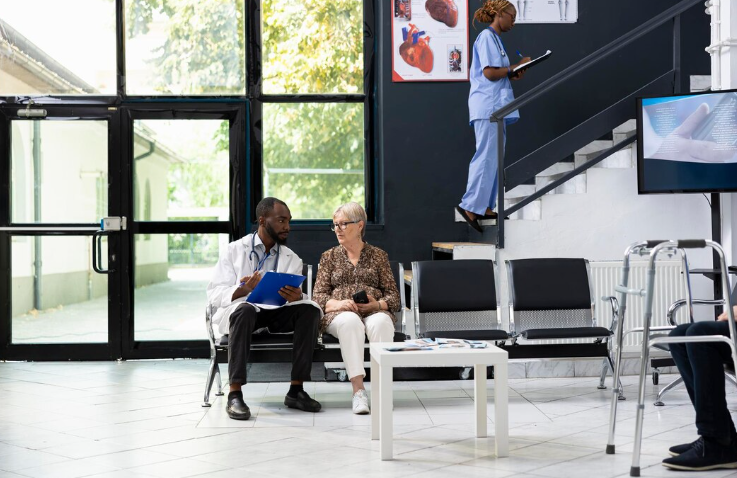
Residents commonly rely on mobility aids such as wheelchairs and walkers, or on assistance from carers. Heavy or manually operated doors can become significant barriers, increasing the risk of accidents. This is where automatic doors in aged care facilities make a measurable difference, removing the need for physical effort.
Cognitive conditions, including dementia, introduce another layer of complexity. Residents may struggle to recognise how to operate traditional door handles or become distressed by unfamiliar systems. Intuitive, hands-free access via an automatic aged-care door ensures smoother transitions between spaces.
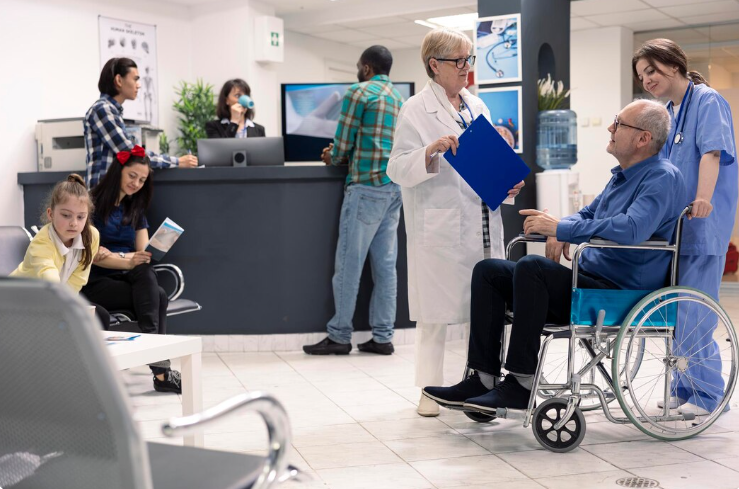
Additionally, aged care environments are high-traffic zones. Staff frequently move beds, medical equipment, and trolleys throughout the facility, while visitors come and go throughout the day. Standard door systems simply aren’t designed for this level of continuous use.
Infection control is another critical consideration. Minimising contact points is essential in preventing the spread of illness. Meanwhile, touchless, elderly-friendly door automation significantly reduces the risk of contamination.
These combined challenges highlight why generic door solutions fall short – and why specialised automation is the smarter choice.
The Real Benefits of Automatic Doors in Aged Care Facilities
When implemented correctly, automatic doors in aged care facilities deliver a wide range of benefits that directly impact residents, staff, and overall operations.
- Improved Safety & Fall Prevention
One of the most significant advantages is enhanced safety. Manual doors can be heavy, awkward, or difficult to operate, especially for frail residents. Automatic doors eliminate the need to push or pull, reducing the likelihood of slips, trips, and falls.
- Enhanced Resident Dignity & Independence
Maintaining independence is crucial for emotional well-being. With an accessible entrance or automated internal door, residents can move freely without relying on assistance. This sense of autonomy contributes to confidence and dignity in daily life.
- Better Accessibility Compliance
Australian accessibility standards are becoming increasingly stringent. Installing automatic doors in aged care facilities ensures compliance with these requirements, helping facilities meet legal obligations while delivering a more inclusive environment.
- Infection Control & Hygiene
Touch-free operation plays a vital role in maintaining hygiene standards. By reducing shared contact surfaces, aged care automatic door systems help minimise the spread of bacteria and viruses – particularly important in communal living environments.
- Operational Efficiency for Staff
For carers and support staff, time and physical effort are valuable resources. Automatic doors simplify the movement of beds, wheelchairs, and equipment, reducing strain and improving workflow efficiency. This allows staff to focus more on care and less on logistics.
Together, these benefits make automatic doors in aged care facilities a smart investment.
Choosing the Right Types of Automatic Doors for Each Area
Not all areas within an aged care facility have the same requirements. Selecting the right type of door system is essential to maximise performance.
Different zones – from main entrances to private rooms – benefit from different solutions. Here are the most suitable options:
- Sliding Automatic Doors
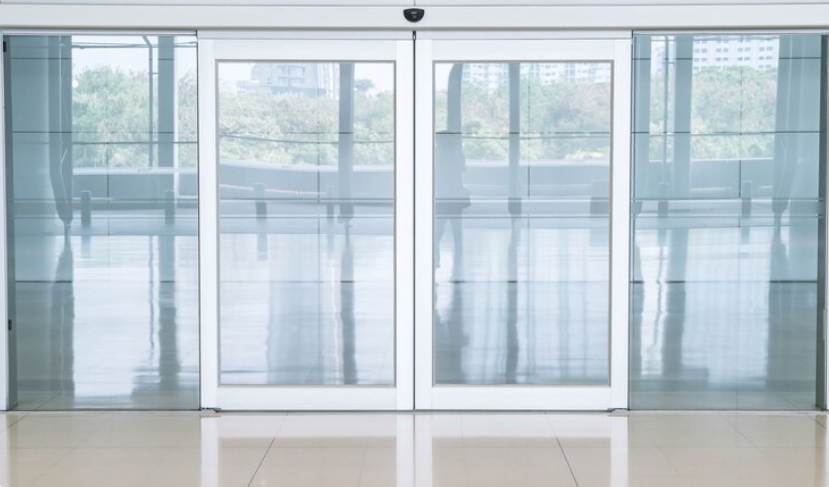
Ideal for main entrances and high-traffic corridors, sliding doors provide wide access. They are perfect for accommodating wheelchairs, beds, and multiple users at once, making them a staple in automatic doors in aged care facilities.
- Swing Automatic Doors
These are well-suited for retrofitting existing buildings where structural changes are limited. Swing doors can be automated to create an aged care automatic door solution without major renovations. They are a practical choice for internal rooms.
- Hermetic or Sealed Doors
In areas requiring strict hygiene control – such as medical or treatment rooms – hermetic doors provide an airtight seal. While not needed everywhere, they are essential in specialised zones.
- Low-Energy Automatic Doors
Designed specifically for safety, these doors operate at slower speeds with controlled motion. This makes them ideal for environments where residents may be startled by sudden movement. They are a core component of elderly friendly door automation.
Must-Have Safety Features for Aged Care Door Systems
Safety is non-negotiable in aged care settings, and the effectiveness of automatic doors in aged care facilities depends heavily on the features they include.
Obstacle Detection Sensors
These sensors are essential for preventing accidents. They monitor the doorway and detect whether a person, a wheelchair, or an object is in its path. If something is detected, the door will either stop or reverse its motion. This is particularly important in aged care, where residents may move slowly or unpredictably.
Soft Start & Stop Mechanisms
Sudden or jerky movements can be unsettling, especially for elderly residents or those with cognitive conditions. Soft start and stop technology ensures that doors open and close smoothly and gradually, reducing the chance of startling users. This feature also helps maintain balance for residents who may be unsteady on their feet.
Emergency Breakout & Manual Override
In emergency situations such as power outages, fire evacuations, or system faults, doors must remain functional. Breakout systems allow doors to be pushed open manually, while override functions ensure staff can quickly take control when needed. These features are critical for ensuring that automatic doors in aged care facilities never become a barrier during urgent situations.
Adjustable Speed & Hold-Open Times
Every aged care facility has different user needs, and flexibility is key. Adjustable settings allow operators to control how quickly doors open and close, as well as how long they remain open. Slower speeds and longer hold-open times are often necessary to accommodate residents using mobility aids.
Access Control Integration
While ease of access is important, certain areas – such as medication rooms or staff-only zones – must remain secure. Integrating access control systems allows facilities to restrict entry where needed without compromising overall accessibility. For example, staff can use keycards or codes, while public areas remain freely accessible through automated entry. This balance is essential in creating a safe yet user-friendly environment.
Incorporating these features ensures that automatic doors in aged care facilities meet both safety and operational requirements.
Designing with Dignity in Mind: The Human Experience
Beyond technical performance, the design of automatic doors in aged care facilities must prioritise the human experience. These systems are used daily by individuals who may feel vulnerable, so comfort and clarity are essential.
Automatic doors should operate intuitively, without requiring thought or effort. Residents shouldn’t have to hesitate or second-guess how to move through a space. This is particularly important for those with cognitive impairments.
Quiet operation is another key factor. Loud or abrupt door movements can cause anxiety or distress, especially for residents with dementia. Smooth, silent motion contributes to a calm and reassuring environment.
Visibility also plays a role. Glass panels, clear markings, and well-lit entry points help residents understand where to go, reducing confusion and improving navigation throughout the facility.
Ultimately, well-designed aged care automatic door systems support the broader goal of ageing in place, allowing residents to live comfortably, safely, and independently within a supportive environment.
How to Choose the Right Automatic Door Provider
Selecting the right supplier is just as important as choosing the right technology. Not all providers have the expertise required for aged care environments.
- Proven Experience in Healthcare or Aged Care – Look for providers who understand the unique challenges of these settings and can recommend appropriate solutions.
- Compliance with Australian Standards – Ensure all systems meet relevant safety and accessibility regulations. This is essential for both legal compliance and resident well-being.
- Reliable Product Brands – Trusted brands such as Beninca and Nice are known for their quality, durability, and performance in automation systems.
- Customisation Capabilities – Every facility is different. A good provider will tailor solutions to suit specific zones, traffic patterns, and user needs.
- Ongoing Support and Maintenance – Installation is only the beginning. Regular servicing, technical support, and training ensure the long-term reliability of automatic doors in aged care facilities.
Partnering with an experienced provider ensures your investment delivers lasting value.
Future-Proofing Aged Care with Smart Access Solutions
Facilities must adapt to meet rising expectations for high-quality aged care. Implementing automatic doors in aged care facilities is a practical and impactful way to enhance safety, dignity, and operational efficiency.
These systems play a vital role in modern care environments, from reducing physical strain to improving infection control and supporting independent living. Choosing the right combination of technology, features, and provider ensures long-term success.
Looking to upgrade or design a facility with reliable access systems? Digital Home Systems (DHS) offers a wide range of door and window automation systems for aged care facilities, featuring trusted solutions from Beninca and Nice. Whether you’re planning a new build or retrofitting an existing space, you can find the right fit for your project.