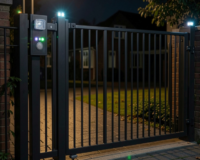

False trips are one of the most common problems in automated gate systems, and they often stem from improper alignment of safety sensors. When safety sensors for gates are not aligned correctly, they may trigger alarms, stop gate movement unnecessarily, or even compromise overall system reliability. This can frustrate property owners and lead to frequent maintenance calls. Understanding how to align IR gate sensors properly is essential for ensuring smooth operation, safety compliance, and long-term performance.
Infrared gate sensors are designed to detect obstructions using an invisible beam of light. When this beam is interrupted, the gate system responds immediately to prevent accidents or damage. However, if the sensors are misaligned—even slightly—the beam can be disrupted unintentionally by sunlight, vibrations, or environmental factors. Proper alignment minimizes these issues and ensures the sensors respond only to real obstructions.
In this guide, we will explore how IR gate sensors work, why alignment is so critical, and how to install and adjust them correctly. Whether you are installing a new gate system or troubleshooting frequent false triggers, this article will help you achieve accurate alignment and reliable performance.
Understanding Safety Sensors for Gates
Safety sensors for gates are a critical component of any automated gate system. Their primary role is to protect people, vehicles, and property by detecting obstacles in the gate’s path. These sensors work continuously, even when the gate is idle, ensuring that the system remains safe at all times. Without properly functioning sensors, automated gates pose a serious risk.
Among the different types of safety devices available, IR gate sensors are the most widely used. They consist of a transmitter and a receiver that create an infrared beam across the gate opening. When something interrupts this beam, the gate controller immediately stops or reverses movement. This quick reaction is what prevents accidents and mechanical damage.
Because these sensors rely on precise beam alignment, even minor installation errors can lead to false trips. Understanding their design and operating principles is the first step toward correct alignment and long-term reliability.
How IR Gate Sensors Work
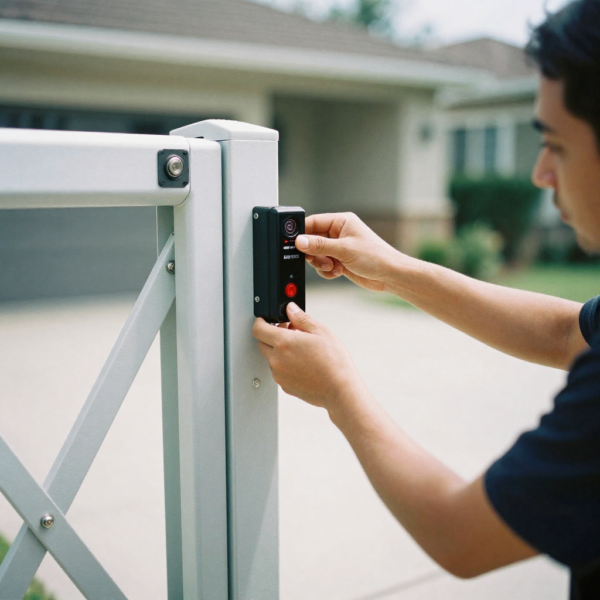
IR gate sensors operate using an infrared light beam that is invisible to the human eye. The transmitter sends a continuous beam to the receiver across the gate opening. As long as the beam remains uninterrupted, the system assumes the path is clear and allows normal gate operation.
When an object breaks the beam, the receiver signals the gate controller to stop, reverse, or prevent movement. This response happens in milliseconds, making IR sensors highly effective for safety applications. However, because the beam is narrow and precise, correct positioning is essential.
If the transmitter and receiver are not perfectly aligned, the beam may weaken or scatter. This can cause the sensor to think something is blocking the path when it is not. Proper alignment ensures the beam remains strong and stable under varying conditions.
Why Proper Alignment Matters
Alignment is the single most important factor in preventing false trips. When safety sensors for gates are misaligned, the infrared beam becomes unstable. Even small movements caused by wind, temperature changes, or ground vibration can interrupt the signal.
Poor alignment can also reduce the effective range of IR gate sensors. A weakened beam may fail to detect real obstructions or trigger randomly. This not only affects safety but also increases wear on gate motors and controllers due to unnecessary stops and reversals.
Correct alignment ensures consistent detection, reduces nuisance alarms, and improves the overall user experience. It also helps ensure compliance with safety regulations and manufacturer requirements.
Common Causes of False Trips
False trips are often blamed on faulty sensors, but the real issue is usually improper installation or alignment. One common cause is mounting sensors on unstable surfaces such as flexible posts or lightweight fences. Even slight movement can throw off alignment over time.
Another frequent issue is environmental interference. Direct sunlight, reflective surfaces, heavy rain, or fog can affect the infrared beam. If the sensors are not aligned properly, these conditions can easily disrupt the signal.
Electrical interference or poor wiring can also contribute to false trips. However, even with perfect wiring, misaligned IR gate sensors will still produce unreliable results. Addressing alignment issues should always be the first step in troubleshooting.
Choosing the Correct Installation Height
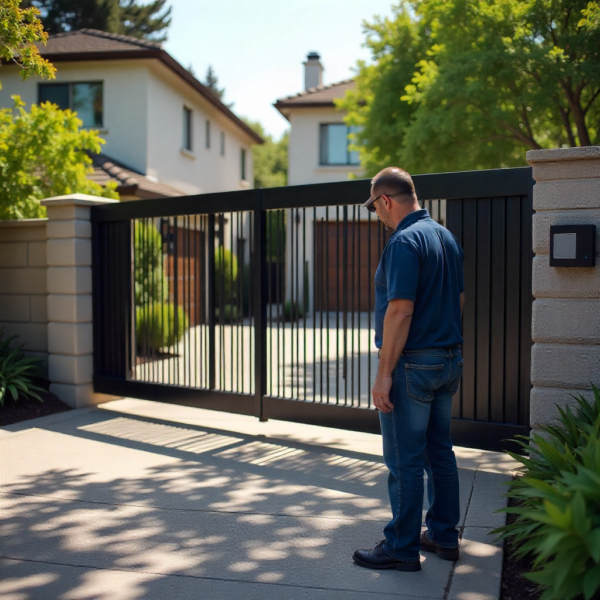
Installation height plays a significant role in sensor performance. Safety sensors for gates are typically installed between 300 mm and 600 mm above ground level. This range allows them to detect vehicles, people, and pets effectively.
If sensors are installed too low, they may be triggered by debris, water, or uneven ground. If installed too high, they may fail to detect smaller objects or children. Selecting the correct height ensures the beam covers the most critical safety zone.
For wide or high-traffic gates, multiple sets of IR gate sensors at different heights may be required. This creates a layered safety approach that reduces the risk of missed detections.
Preparing for Proper Alignment
Before aligning sensors, ensure that the gate structure is fully installed and stable. Attempting alignment before the gate posts or pillars are secured can lead to misalignment later. Make sure all mounting brackets are tightened and properly anchored.
Check that power supply and wiring are correct and stable. Voltage fluctuations or loose connections can affect sensor performance and complicate alignment. Clean the sensor lenses to remove dust or fingerprints that could interfere with the infrared beam.
Taking time to prepare properly makes the alignment process easier and more accurate. It also reduces the likelihood of having to re-adjust the sensors after installation.
Step-by-Step Alignment of IR Gate Sensors
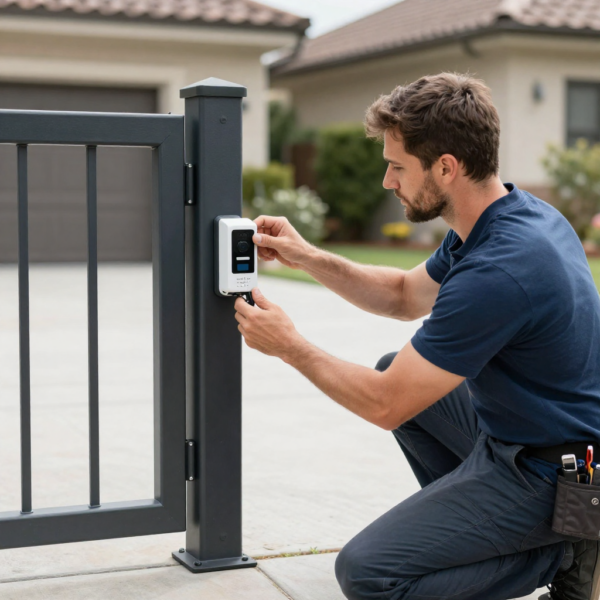
Begin by loosely mounting both the transmitter and receiver. This allows you to make fine adjustments without removing the units. Position them directly opposite each other across the gate opening.
Use the alignment indicators built into most IR gate sensors. These may include LED lights or audible signals that change when alignment improves. Slowly adjust the horizontal and vertical angles until the indicator shows a strong, stable signal.
Once aligned, tighten all mounting screws carefully. Avoid overtightening, as this can cause slight shifts in position. Recheck alignment after tightening to ensure nothing moved during the process.
Testing Sensor Stability
After alignment, testing is essential. Open and close the gate multiple times while monitoring sensor behavior. Walk, drive, or place objects through the beam to confirm proper detection.
Observe whether the sensors trigger consistently and only when an obstruction is present. If false trips occur, recheck alignment and mounting stability. Sometimes even a small adjustment can make a significant difference.
Testing under different lighting conditions is also important. IR gate sensors should perform reliably during bright sunlight, dusk, and nighttime. This ensures dependable operation throughout the day.
Environmental Factors That Affect Alignment
Outdoor environments are unpredictable, and safety sensors for gates must operate reliably despite changing conditions. Sunlight is one of the most challenging factors, especially when sensors face east or west. Direct sunlight can overwhelm the receiver if alignment is poor.
Rain, fog, and dust can also scatter the infrared beam. Proper alignment helps maintain sufficient signal strength to overcome these conditions. Some sensors include sun filters or weather-resistant housings to improve performance.
Wind-induced movement is another concern. Mounting sensors on rigid surfaces reduces vibration and helps maintain alignment over time. Regular inspections ensure environmental factors have not compromised positioning.
Using Alignment Tools and Accessories
Many professional installers use alignment tools to achieve precision. Laser alignment tools, spirit levels, and adjustable brackets help ensure accuracy. These tools are especially useful for long gate spans where small deviations can have large effects.
Some advanced IR gate sensors include digital alignment indicators or smartphone-based configuration tools. These features simplify installation and reduce guesswork. Using the right tools improves accuracy and reduces installation time.
Accessories such as protective covers or sun shields can further improve reliability. These additions help maintain alignment and protect sensors from environmental stress.
Maintaining Proper Alignment Over Time
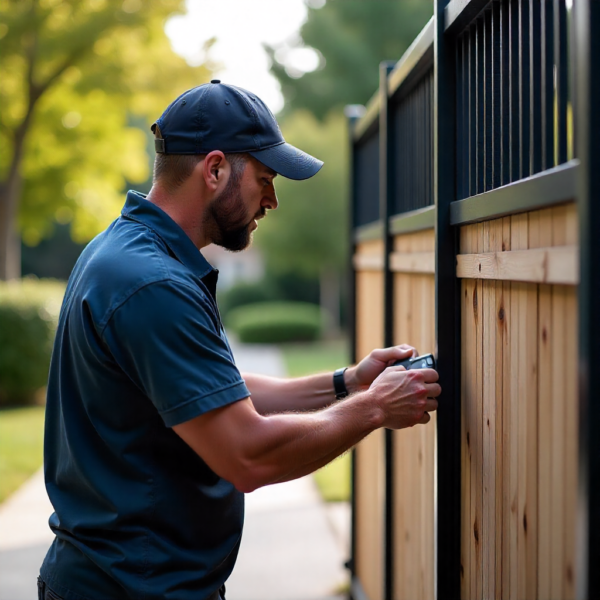
Even perfectly aligned sensors can drift over time due to settling, vibration, or environmental changes. Regular maintenance is essential for long-term performance. Inspect safety sensors for gates at least every six months.
Check mounting hardware for looseness and verify alignment indicators remain stable. Clean lenses and remove any obstructions near the beam path. Early detection of alignment issues prevents costly repairs later.
Documenting alignment settings during installation can also help. This allows quick reference if re-alignment is needed in the future.
Troubleshooting Persistent False Trips
If false trips persist despite proper alignment, consider other factors. Check wiring for interference or damage. Ensure the gate controller is configured correctly and compatible with the sensors.
Sometimes, upgrading to higher-quality IR gate sensors with better filtering and longer range is necessary. Older or low-cost sensors may struggle in challenging environments.
Combining IR sensors with other safety sensors for gates, such as pressure edges or loop detectors, can also improve overall reliability. A multi-layered safety approach reduces dependence on a single device.
To ensure long-term safety and compliance, installers should follow recognized gate safety sensor standards, including correct alignment, placement, and ongoing maintenance.
Compliance and Safety Standards
Proper alignment is not just about convenience; it is also about compliance. Many regions require automated gates to meet specific safety standards. Correctly aligned safety sensors for gates are often a mandatory requirement.
Failure to maintain proper alignment can result in liability issues if an accident occurs. Regular inspection and documentation demonstrate due diligence and commitment to safety.
Always follow manufacturer guidelines and local regulations when installing and aligning IR gate sensors. Compliance ensures both safety and legal protection.

Conclusion
Correctly aligning IR gate sensors is essential for preventing false trips and ensuring reliable gate operation. Misalignment is one of the most common causes of sensor-related issues, yet it is also one of the easiest problems to prevent with proper installation and maintenance. By understanding how safety sensors for gates work and taking the time to align them accurately, you significantly improve system performance.
From choosing the right installation height to testing under real-world conditions, every step plays a role in long-term reliability. Environmental factors, mounting stability, and regular maintenance all influence sensor accuracy. Addressing these factors proactively reduces downtime, improves safety, and extends the lifespan of your gate system.
Whether you are a professional installer or a property owner, investing time in proper alignment pays off. With correctly aligned IR gate sensors, your automated gate will operate smoothly, safely, and without unnecessary interruptions for years to come.
Need expert installation? Contact our team for professional alignment and setup of safety sensors for gates.