
In high-stakes environments, alarm redundancy is necessary. Critical infrastructure sites such as utilities, transport hubs, data centres, and industrial facilities rely heavily on consistent security coverage. A single failure in an outdoor siren system can result in serious operational risks. That’s why modern commercial security systems are shifting toward layered designs that ensure alerts work no matter what goes wrong.
In this guide, we’ll explore how redundancy works in outdoor siren deployments and how security integrators can design resilient solutions.
Understanding Alarm Redundancy in Security Systems
At its core, alarm redundancy involves implementing backup pathways and layered alert systems within a security network to ensure continuous operation even when a component fails. This includes redundant communication channels and duplicated hardware that allows for automatic switching between primary and secondary systems.
There are two primary redundancy models used in fail-safe alarm systems.
- The first is active-active, where multiple components operate simultaneously and share the load. This ensures immediate continuity if one fails.
- The second is active-passive, where a secondary system remains on standby and activates only when the primary system encounters an issue.
When applied to an outdoor siren setup, redundancy ensures that alerts are still triggered even if a device loses power, communication, or is physically compromised. This is particularly important in perimeter security, where sirens act as both deterrents and critical alert mechanisms.
Beyond functionality, redundancy plays a key role in meeting compliance standards and uptime requirements for critical infrastructure. It minimises risk, supports regulatory obligations, and ensures that security systems remain operational under all conditions.
Key Risks of Non-Redundant Siren Systems in Critical Infrastructure
Without properly designed alarm redundancy, even well-installed systems can fail at the worst possible moment. In critical infrastructure environments, these risks are amplified due to the scale, complexity, and high consequences of failure. Below are the most common and impactful risks:
- Single Point of Failure
When a system depends on a single siren, controller, or power source, any fault can disable the entire alert chain. A failed relay, drained battery, or damaged unit can immediately silence alerts across a zone.
Over time, wear and tear on components increases the likelihood of failure, making non-redundant designs fragile and unsuitable for high-risk environments.
- Communication Breakdown
Many outdoor sirens rely on a central gateway or an access control system. If that communication link fails – due to network outages, interference, or hardware faults – alerts may never reach the siren.
In large-scale commercial security systems, this can create blind spots where incidents occur without any audible or visual warning.
- Environmental Damage and Exposure
Outdoor sirens are constantly exposed to weather conditions such as heavy rain, UV radiation, dust, and extreme temperatures. Physical impacts or vandalism can also compromise device integrity.
Without redundant units, a single damaged siren can leave an entire perimeter unprotected, especially in remote or less frequently monitored areas.
- Delayed Response or Missed Alerts
A lack of redundancy can result in delayed alert activation or complete alert failure during critical incidents. Even a short delay can significantly impact response times in emergencies.
For facilities managing hazardous materials or sensitive operations, missed alerts can escalate minor issues into major incidents with safety and operational consequences.
- Regulatory and Liability Risks
Many critical infrastructure sectors must meet strict compliance standards for uptime and system reliability. Non-redundant systems may fail to meet these requirements. In the event of an incident, organisations may face legal liability, financial penalties, and reputational damage due to insufficient redundancy.

Core Principles of Outdoor Siren Redundancy Design
Effective alarm redundancy in outdoor siren systems isn’t about simply adding extra devices – it’s about designing a coordinated, multi-layered system where each component supports the others. For security integrators, this means taking a systems-level approach that considers power, communication, placement, and integration simultaneously.
At a strategic level, redundancy design distributes risk across multiple layers, ensuring that no single failure can compromise the entire system. This is particularly important in fail-safe alarm systems, where continuous operation is essential.
Key principles include:
- Layered Alerting Across Zones
Instead of relying on a single siren per area, deploy multiple sirens with overlapping coverage. This ensures that if one device fails, others can still deliver audible and visual alerts.
Layered alerting also improves overall site awareness, making it easier for personnel to quickly identify and respond to incidents.
- Power Redundancy and Independence
Combine mains-powered devices with battery-operated sirens to maintain functionality during power outages. Independent power sources reduce reliance on a single energy supply.
Long-life batteries and low-battery monitoring further enhance reliability, ensuring devices remain operational over extended periods.
- Communication Redundancy
Use mesh-based communication protocols like Z-Wave, which allow devices to relay signals through multiple nodes. This creates a self-healing network that can reroute communication if one path fails. Additional fallback options, such as IP or cellular connectivity, can provide an extra layer of resilience for high-priority sites.
- Physical Redundancy and Strategic Placement
Position sirens to cover overlapping areas and avoid blind spots. Consider elevation, line of sight, and environmental exposure when planning installation points. Physical redundancy ensures that even if one siren is obstructed, damaged, or tampered with, others can still provide effective coverage.
- Integration with Broader Security Ecosystems
Connect sirens with multiple sensors, controllers, and automation platforms. This allows alerts to be triggered from various inputs, increasing detection reliability. Integration also enables centralised monitoring, diagnostics, and automation, which are critical for maintaining system health in commercial security systems.
When these principles are applied together, they create a cohesive and resilient system. Each layer reinforces the others, ensuring that the overall design remains robust even under adverse conditions.

Practical Redundancy Strategies for Security Integrators
Translating alarm redundancy principles into real-world deployments requires practical strategies that security integrators can implement on-site. These approaches help ensure that outdoor siren systems remain reliable, scalable, and aligned with the demands of critical infrastructure.
- Deploy Multiple Sirens Per Zone for Overlap
Install at least two sirens in each critical zone to provide overlapping coverage. This ensures that if one unit fails or is compromised, the second siren can still activate. For larger sites, consider zoning strategies that allow neighbouring sirens to cover adjacent areas, creating a network of overlapping alert zones.
- Leverage Mesh-Based Communication Networks
Use technologies like Z-Wave to create self-healing communication networks. Devices act as repeaters, allowing signals to travel through multiple paths. This reduces reliance on a single communication route and improves overall network resilience, particularly in complex or expansive installations.
- Pair Sirens with Multiple Sensor Inputs
Integrate sirens with a diverse range of sensors, including motion detectors, shock sensors, flood sensors, and door/window contacts. Multiple trigger points increase detection accuracy and ensure that alerts are activated even if one sensor fails or is bypassed.
- Implement Backup Controllers and Cloud Failover
Avoid relying on a single control panel or gateway. Introduce secondary controllers or cloud-based systems that can take over in the event of a failure. Cloud integration also enables remote monitoring and control, providing an additional layer of redundancy and operational visibility.
- Establish Routine Testing and Health Monitoring
Schedule regular system tests to verify that all sirens, sensors, and communication pathways are functioning correctly. Use automated diagnostics and alerts to monitor battery levels, connectivity status, and device health, enabling proactive issue resolution before they lead to failure.
- Incorporate Tamper Detection and Physical Protection
Choose sirens with built-in tamper alerts and install them in locations that minimise the risk of vandalism or accidental damage. Physical protection measures, such as protective housings or elevated mounting, further enhance system durability.
By applying these strategies, security integrators can build fail-safe alarm systems that deliver consistent performance even in challenging conditions. The result is a resilient, future-ready solution that meets the operational and compliance demands of modern critical infrastructure environments.
Enhancing Redundancy with the Vision Z-Wave Outdoor Siren
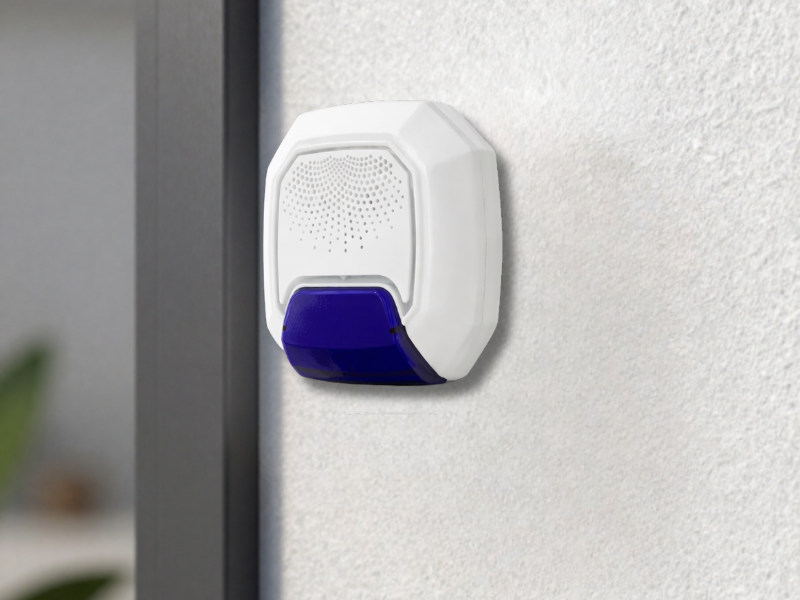
The Vision Z-Wave Outdoor Siren is a strong example of how modern devices can support alarm redundancy in real-world deployments. Designed for flexibility and reliability, it integrates seamlessly into Z-Wave-based commercial security systems.
Its wireless Z-Wave Plus connectivity enables mesh networking, allowing the siren to communicate through multiple nodes. This enhances communication redundancy and ensures alerts can still be delivered even if part of the network fails.
The device features a powerful 115 dB siren paired with a bright strobe light, providing multi-layer alerting for both audible and visual warnings. Being battery-powered and long-lasting, it operates independently of mains power, adding another layer of redundancy.
Additional features such as tamper alerts and low battery notifications further strengthen system reliability by providing early warnings of potential issues. The siren can also be paired with a wide range of sensors and controllers, making it ideal for distributed deployments.
For integrators working in critical infrastructure, this makes it a practical, scalable component for building robust, fail-safe alarm systems.
In Conclusion,
In today’s high-risk environments, alarm redundancy is essential for ensuring continuous protection. From preventing single points of failure to enabling seamless communication and power backup, redundancy contributes to resilient, fail-safe solutions.
By applying key design principles – such as layered alerting, mesh communication, and integrated sensor networks – security professionals can significantly reduce risk and improve response times. These strategies are particularly important in critical infrastructure, where downtime or missed alerts can have serious consequences.
Solutions like the Vision Z-Wave Outdoor Siren demonstrate how modern technology can support redundancy at multiple levels. As security demands continue to evolve, investing in redundancy is about future-proofing your systems for tomorrow’s challenges.