

When it comes to building security solutions, alarm commissioning plays a critical role in ensuring every component performs exactly as intended. Outdoor sirens, in particular, are a frontline deterrent and alert mechanism. For security integrators and alarm providers, proper commissioning isn’t just a box-ticking exercise; it directly impacts system effectiveness. In this guide, we’ll walk through the key steps and best practices involved in commissioning and testing outdoor sirens in professional alarm systems.
Why Proper Alarm Commissioning Matters in Professional Alarm Systems
Alarm commissioning is such a crucial phase in any professional deployment.
At its core, commissioning ensures that every element of the alarm system, sensors, control panels, communication modules, and the outdoor siren, works together. Without this process, even high-quality equipment can underperform due to misconfiguration or integration gaps. A properly commissioned system reduces the risk of false alarms, ensures timely alerts, and delivers consistent performance under real-world conditions.
From a compliance perspective, commissioning is often required to meet industry standards and insurance requirements. For integrators, it also serves as a quality-assurance checkpoint, confirming that installations align with both manufacturer guidelines and client expectations.
Beyond the technical side, there are clear business benefits. Thorough commissioning reduces costly callouts, improves long-term system stability, and enhances customer trust. When outdoor sirens are correctly integrated with detection devices and control panels, they respond instantly to threats.
Pre-Commissioning Checklist for Outdoor Sirens
Before starting any alarm commissioning, taking the time to complete a detailed pre-commissioning checklist can make a significant difference. This stage is all about confirming that the outdoor siren is ready to integrate with the wider alarm system. By addressing potential issues early, you avoid unnecessary troubleshooting later and ensure a smoother commissioning workflow.
- Confirm installation location
Check that the siren is mounted at an optimal height and position for both visibility and sound projection. It should be clearly visible to act as a deterrent, while also being placed where sound can travel effectively across the site.
Avoid obstructions such as walls or roofing that may muffle the siren output. Also, consider exposure to harsh weather conditions, and ensure the chosen location aligns with the device’s IP rating.
- Verify power source and battery condition
Confirm that all batteries are installed correctly, fully charged, and capable of supporting the device for its expected lifespan. If the siren includes backup power, test that the failover functionality works as intended. Power-related issues are one of the most common causes of device failure post-installation.
- Check network inclusion and signal strength
Ensure the outdoor siren has been successfully added to the Z-Wave (or relevant) network. Verify signal strength between the siren and the controller, particularly in larger properties or commercial sites. Consider adding repeaters if connectivity is weak or inconsistent.
- Inspect physical integrity and tamper protection
Examine the enclosure for proper sealing, especially for outdoor environments. Confirm that all mounting points are secure and that tamper switches are functioning correctly. A loose or poorly sealed unit can compromise both performance and security.
- Validate compatibility with the control system
Double-check that the siren is fully compatible with the selected alarm panel or gateway. This includes confirming support for key features such as trigger events, strobe control, and status reporting.
- Update firmware and device settings
Where applicable, update the device firmware to the latest version. This ensures optimal performance, improved security, and access to the latest features.
A structured checklist like this is essential for consistent alarm commissioning, especially across multi-site deployments. It minimises human error and ensures that every outdoor siren enters the commissioning phase fully prepared for configuration and testing.
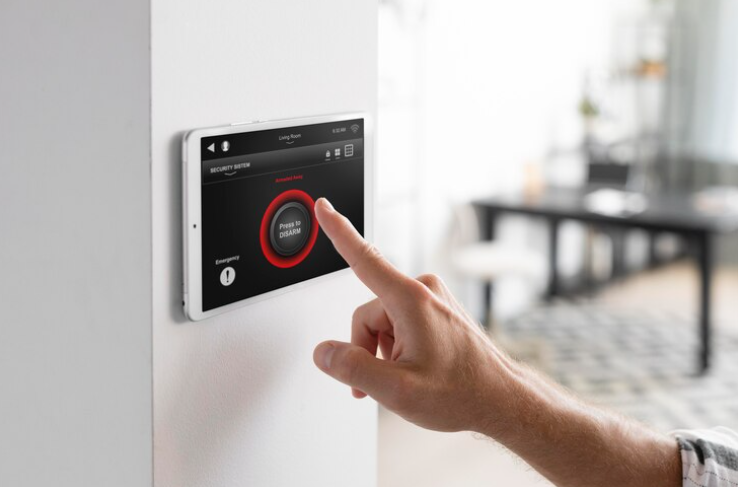
Step-by-Step Alarm Commissioning Process
Once the pre-checks are complete, the next stage of alarm commissioning focuses on systematically configuring the outdoor siren and integrating it into the broader alarm ecosystem. This is where the system begins to take shape, and attention to detail is key to ensuring reliable, long-term performance.
- Add the outdoor siren to the controller
Start by connecting the siren to the alarm control panel or smart home gateway. Follow the manufacturer’s recommended inclusion process to ensure a secure and stable connection. Confirm that the device is recognised correctly within the system interface.
- Configure core Siren parameters
Adjust settings such as alarm duration, volume level, and whether the strobe light activates alongside the audible alarm. These settings should align with site requirements, local regulations, and client expectations.
- Assign triggers and event conditions
Link the siren to specific system events, including intrusion detection, door/window breaches, motion alerts, tamper events, and panic buttons. For more advanced setups, include environmental triggers such as flood or smoke detection.
- Set delays and escalation rules
Configure entry and exit delays and escalation sequences. For example, the system may trigger internal alerts first before activating the outdoor siren. Proper timing helps reduce false alarms and improves user experience.
- Integrate with connected systems
Ensure the siren works seamlessly with other components such as CCTV systems, access control, and remote monitoring platforms. This integration allows for coordinated responses, such as video verification when an alarm is triggered.
- Test communication and responsiveness
Verify that commands from the controller are received by the siren instantly. Check responsiveness across different distances and conditions to ensure reliable performance.
- Document all configurations
Record every setting, trigger, and integration detail. This documentation is invaluable for future maintenance, upgrades, and troubleshooting.
In real-world deployments, this process often varies depending on system complexity, but the core principles remain the same. A structured and methodical approach to alarm commissioning ensures that the outdoor siren is not only functional but fully optimised to respond accurately.
Testing Procedures to Validate Outdoor Siren Performance
Testing is the final and arguably most critical phase of alarm commissioning, as it confirms that the outdoor siren performs reliably under real-world conditions. Thorough testing goes beyond simply triggering the alarm; it involves validating every aspect of the device’s functionality, communication, and resilience.
- Functional testing across multiple scenarios
Activate the siren using a range of triggers, including intrusion sensors, panic buttons, and tamper alerts. This ensures the siren responds correctly to all assigned events and behaves as expected within the system logic.
- Sound output and coverage verification
Assess whether the siren can be clearly heard across all required areas of the property. Walk through different zones to identify any dead spots or areas where sound levels drop off. Adjust placement or settings if necessary.
- Strobe visibility testing
Evaluate the effectiveness of the visual alert in both daytime and nighttime conditions. The strobe should be easily visible from a distance, reinforcing the siren’s role as both a deterrent and an alert mechanism.
- Communication reliability and failover testing
Simulate communication disruptions, such as temporary signal loss or controller disconnection. Observe how the system responds and whether fallback behaviours are triggered appropriately.
- Tamper detection testing
Physically interact with the siren to simulate tampering or removal. Confirm that tamper alerts are generated and correctly reported to the control system.
- Power and battery performance testing
Test the siren under low-battery conditions and simulate power-failure scenarios. Ensure the device continues to operate as expected and that alerts are generated when power levels drop.
- System-wide integration testing
Trigger events that involve multiple devices, such as activating a motion sensor that simultaneously triggers the siren and CCTV recording. This validates full system coordination.
Equally important is documenting all test results. Detailed records provide proof of performance and create a baseline for future maintenance. By conducting comprehensive testing during alarm commissioning, integrators can significantly reduce the risk of false alarms.

Common Commissioning Mistakes and How to Avoid Them
Even experienced installers can encounter issues during alarm commissioning, particularly when working across complex or multi-site environments.
- Incorrect siren placement reducing visibility or audibility
- Weak signal strength due to poor network planning
- Misconfigured triggers causing false alarms or missed events
- Ignoring environmental factors such as weather exposure
- Incomplete documentation leading to future maintenance challenges
Many of these issues stem from rushed installations or a lack of standardised processes. For example, placing a siren too low or in a sheltered location can limit its effectiveness as a deterrent. Similarly, failing to test signal strength can result in unreliable communication between devices.
The best way to avoid these pitfalls is to adopt a consistent commissioning workflow. This includes following detailed checklists, validating each configuration step, and thoroughly documenting system settings. By taking a structured approach, integrators can improve system performance.
Integrating the VISION Z-Wave Outdoor Siren into Commissioning Workflows
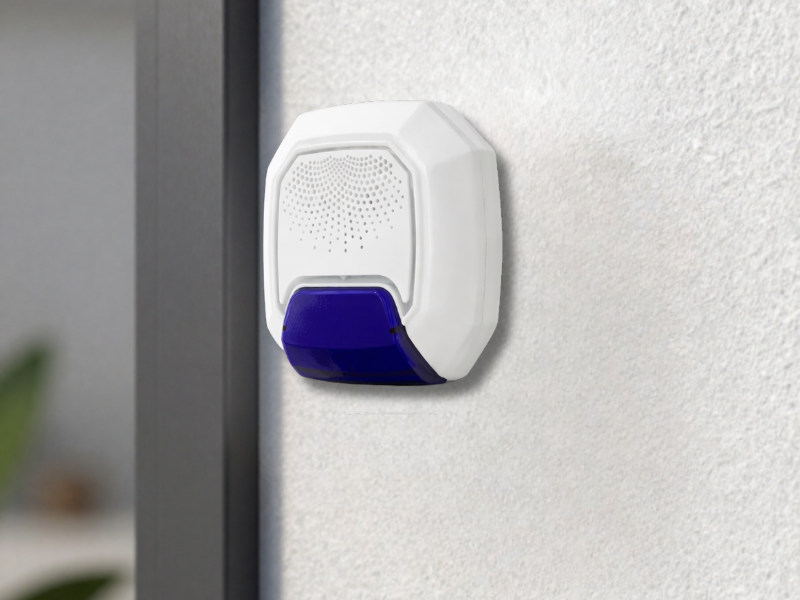
The VISION Z-Wave Outdoor Siren is a strong example of how modern devices can simplify alarm commissioning for both residential and commercial projects. Designed for seamless Z-Wave Plus integration, it works with a wide range of certified controllers, making it easy to incorporate into existing systems.
With a powerful 115 dB siren and a bright strobe, it delivers clear, immediate alerts. Features like tamper detection and low-battery notifications enhance reliability, while its wireless design enables faster installation without the need for complex cabling. Its compatibility with various sensors, such as motion, door/window, and flood detectors, makes it highly versatile in real-world deployments.
For integrators, the ease of inclusion, configuration, and testing reduces installation time and complexity. This makes it an ideal choice for streamlining workflows and delivering consistent results during alarm commissioning.
Final Thoughts,
Effective alarm commissioning is the foundation of any reliable security system, especially for critical components like outdoor sirens. From initial preparation and configuration to detailed testing and documentation, each step plays a vital role in ensuring consistent performance.
By following structured processes and avoiding common pitfalls, integrators can significantly reduce false alarms. High-quality devices, such as the VISION Z-Wave Outdoor Siren, further support this process by offering reliable performance and easy integration.
Looking ahead, investing time in proper commissioning not only improves immediate system functionality but also strengthens long-term operational efficiency and trust.
Partner with DHS to access trusted smart security solutions and training that help you deliver smarter, more reliable installations every time!