
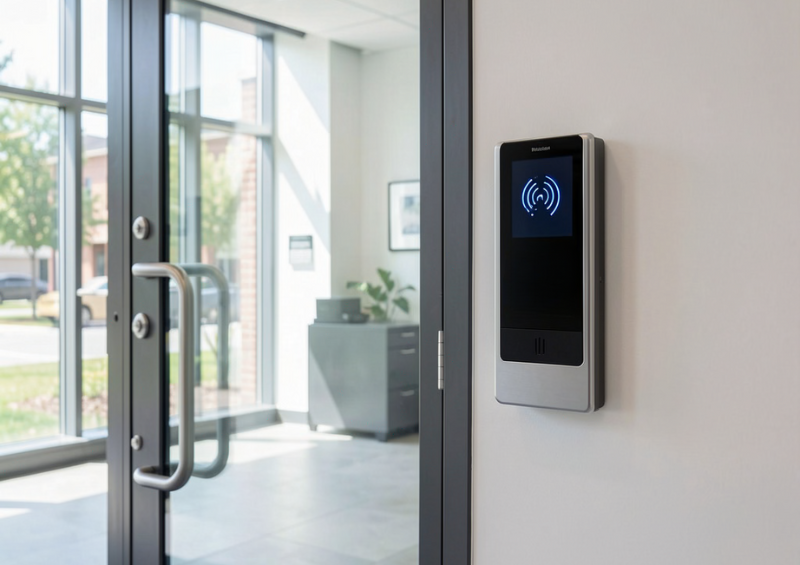
Workplace security has changed dramatically over the last decade. Traditional security measures such as mechanical locks, physical keys, and security guards are no longer enough to protect modern organizations. Businesses now face complex challenges including insider threats, data breaches, unauthorized access, regulatory compliance, and hybrid work environments. As a result, companies are increasingly turning to advanced security technologies, with the Access Control System emerging as a foundational solution.
An Access Control System is no longer just a tool for opening and closing doors. It is a comprehensive security management platform that helps organizations control access, monitor movement, enforce policies, and respond to incidents in real time. For decision-makers, facility managers, and business owners, understanding how access management systems improve workplace security management is essential before making a purchase.
This buyer’s guide explains everything you need to know about Access Control Systems, including how they work, why they matter, the benefits they offer, and how to choose the right system for your organization.
Understanding What an Access Control System Is
An Access Control System is a security solution designed to regulate who can enter or exit a building, room, or restricted area. Instead of relying on physical keys, access is granted through digital credentials that can be easily managed, modified, or revoked.
At its core, an access management system answers three critical questions:
-
Who is allowed to enter?
-
Where are they allowed to go?
-
When are they allowed to access specific areas?
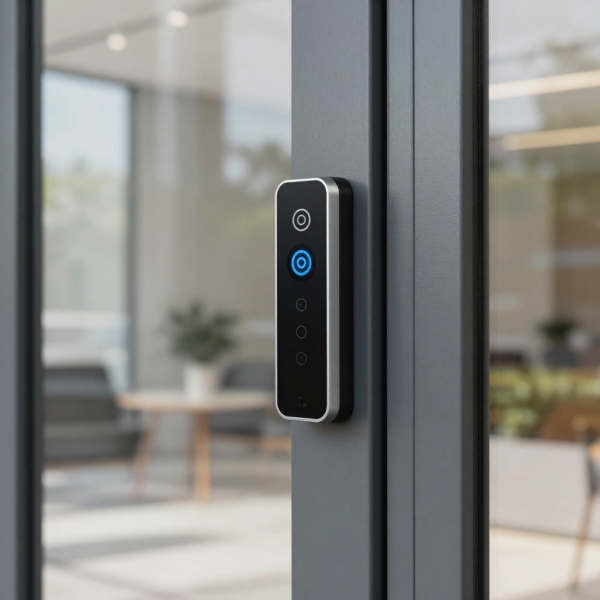
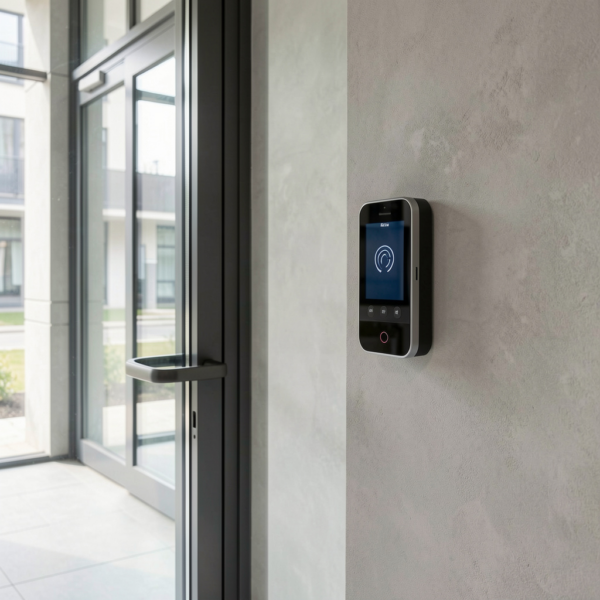
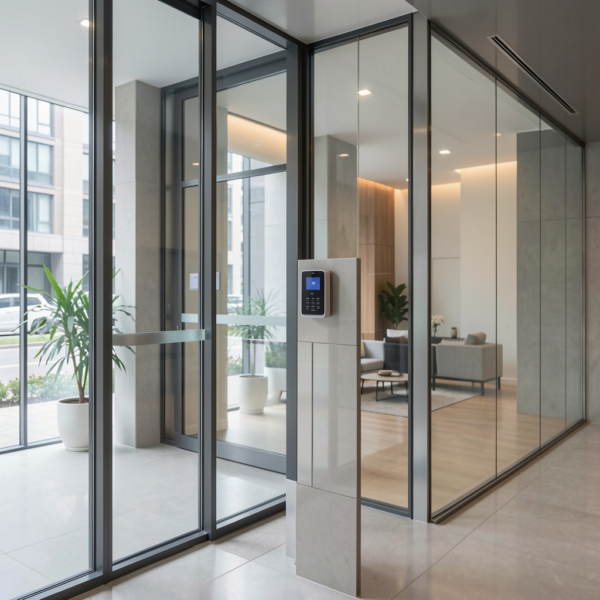
Modern access management systems use a combination of hardware and software to enforce these rules automatically. Credentials such as access cards, key fobs, PIN codes, biometric identifiers, or mobile devices are authenticated by readers installed at entry points. Once verified, the system grants or denies access based on predefined permissions.
This approach provides far greater control, flexibility, and visibility than traditional security methods.
Why Workplace Security Management Needs Access Control Systems
Workplaces today are more dynamic than ever. Employees come and go, contractors require temporary access, visitors move throughout facilities, and sensitive assets must remain protected at all times. Managing these complexities manually is inefficient and risky.
Without an access management system, organizations often struggle with:
-
Lost or duplicated keys
-
Inconsistent access policies
-
Lack of accountability
-
Limited insight into security incidents
-
Difficulty scaling security as the business grows
An Access Control System solves these issues by centralizing security management and automating access decisions. It transforms workplace security from a reactive process into a proactive, data-driven strategy.
How Access Control Systems Improve Workplace Security Management
Strengthening Perimeter and Internal Security
One of the primary ways an access management system improves workplace security is by ensuring that only authorized individuals can enter the facility or specific areas within it. This applies not only to external doors but also to internal zones such as server rooms, finance departments, laboratories, or executive offices.
By limiting access based on roles, departments, or clearance levels, organizations significantly reduce the risk of unauthorized entry and internal security breaches.
Eliminating Risks Associated With Physical Keys
Physical keys pose multiple security risks. They can be lost, stolen, copied, or shared without authorization. Replacing locks after a key is compromised is costly and time-consuming.
An access management system eliminates these risks by using digital credentials. If a credential is lost or compromised, administrators can deactivate it instantly without changing any hardware. This capability alone makes access control systems far more secure than traditional lock-and-key solutions.
Providing Real-Time Visibility and Monitoring
Modern access management systems provide real-time insights into workplace activity. Security teams and administrators can see who accessed which door, at what time, and for how long. This level of visibility is essential for effective security management.
Real-time monitoring allows organizations to detect suspicious behavior, respond to incidents quickly, and investigate security breaches using accurate access logs.
Supporting Incident Response and Emergency Management
In emergency situations such as fires, lockdowns, or medical incidents, access control systems play a critical role. They can automatically unlock exit doors, restrict access to dangerous areas, or enforce lockdown procedures with a single command.
Some advanced access management systems also provide occupancy data, helping emergency responders locate people inside the building more efficiently. This capability enhances employee safety and supports compliance with workplace safety regulations.
Reducing Insider Threats
Insider threats are one of the most overlooked risks in workplace security. Employees, contractors, or former staff may intentionally or unintentionally compromise security.
An access management system mitigates insider threats by enforcing least-privilege access. Individuals only have access to areas necessary for their role, and all access activity is logged. This accountability discourages misuse and supports investigations if incidents occur.
Types of Access Control Systems Explained
Understanding different types of access control systems helps buyers choose the most suitable solution for their organization.
Discretionary Access Control Systems
Discretionary access control systems allow administrators or asset owners to decide who has access. While flexible, this approach can lead to inconsistent security policies and is better suited for small organizations with limited security requirements.
Mandatory Access Control Systems
Mandatory access control systems follow strict, predefined security rules that cannot be altered by users. These systems are commonly used in high-security environments such as government facilities or defense organizations.
Role-Based Access Control Systems
Role-based access control systems assign permissions based on job roles rather than individuals. This approach simplifies administration, improves scalability, and is ideal for most corporate workplaces.
Cloud-Based Access Control Systems
Cloud-based access management systems are managed through web-based platforms. They allow administrators to manage access remotely, scale easily, and receive automatic software updates. Cloud access control systems are increasingly popular due to their flexibility and lower infrastructure requirements.
Core Components of an Access Control System
A complete access control system consists of several interconnected components working together to secure the workplace.
Credentials are the identifiers used by individuals to request access. These may include access cards, key fobs, mobile apps, PIN codes, or biometric data.
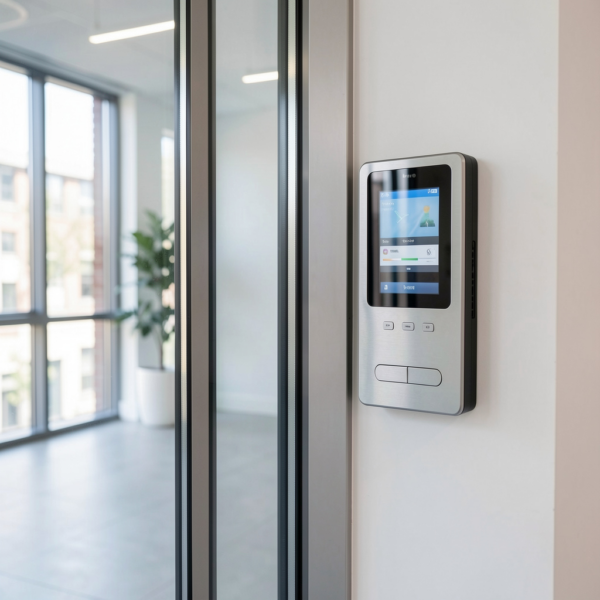
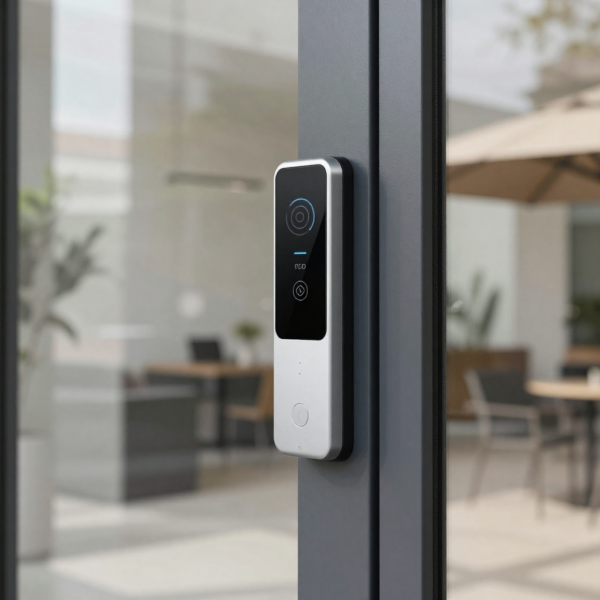
Readers are installed at doors or entry points to read credentials and send authentication requests to the system.
Control panels process authentication decisions and communicate with locking hardware.
Access control software allows administrators to manage users, set permissions, monitor activity, and generate reports.
Locks and door hardware physically secure the entry points and respond to commands from the system.
How Access Control Systems Compare to Traditional Security Methods
Traditional security methods rely heavily on physical barriers and human oversight. While they still have value, they lack the flexibility, visibility, and control offered by access management systems.
An access control system enables instant access changes, detailed audit trails, centralized management, and seamless integration with other security technologies. These capabilities make access management systems far superior for modern workplace security management.
Business Benefits of Implementing an Access Control System
Improved Security and Risk Reduction
The most obvious benefit of an access control system is improved security. By preventing unauthorized access and monitoring all activity, organizations significantly reduce the risk of theft, vandalism, and data breaches.
Increased Operational Efficiency
Manual access management is time-consuming. Access management systems automate onboarding, offboarding, and access changes, reducing administrative workload and human error.
Regulatory Compliance and Audit Readiness
Many industries require strict access controls to comply with regulations. Access management systems provide detailed logs and reports that support audits and compliance requirements.
Scalability for Growing Organizations
As businesses grow, their security needs become more complex. Access control systems are designed to scale, allowing organizations to add new users, locations, and access points without major disruptions.
Enhanced Employee and Visitor Experience
Modern access management systems improve convenience by eliminating the need for physical keys. Mobile credentials, biometric access, and seamless entry create a better experience for employees and visitors alike.
Industries That Rely Heavily on Access Control Systems
Corporate offices use access control systems to protect sensitive information and restrict access to specific departments.
Healthcare facilities rely on access control to secure patient records, medication storage, and restricted clinical areas.
Manufacturing environments use access management systems to protect equipment, control access to hazardous zones, and improve workplace safety.
Educational institutions use access control to protect students, staff, and facilities while maintaining open learning environments.
Retail businesses implement access management systems to prevent theft and control access to back-of-house areas.
Buyer’s Guide: How to Choose the Right Access Control System
Choosing the right access control system requires careful planning and evaluation.
Start by assessing your security requirements. Consider the size of your organization, the number of users, the number of access points, and the level of security needed.
Decide whether an on-premise or cloud-based access management system best fits your operational model. Cloud-based systems offer flexibility and ease of management, while on-premise systems may appeal to organizations with strict data control requirements.
Choose the type of credentials that align with your security goals and user preferences. Biometrics provide high security, while mobile credentials offer convenience and scalability.
Ensure the access management system integrates with existing security infrastructure such as CCTV, alarm systems, and HR software. Integration enhances overall security management and operational efficiency.
Select a vendor with a strong reputation, reliable support, and a clear roadmap for future updates. A long-term partnership is essential for maintaining effective security.
Common Mistakes to Avoid When Buying Access Control Systems
One common mistake is focusing solely on upfront cost rather than long-term value. Cheaper systems may lack scalability, security features, or support.
Another mistake is failing to plan for future growth. An access control system should accommodate expansion without requiring complete replacement.
Ignoring user experience can lead to resistance and misuse. A system that is difficult to use will not deliver its full security benefits.
Finally, inadequate training can undermine even the best access management system. Proper training ensures consistent and effective use.
Understanding the Cost of Access Control Systems
The cost of an access control system depends on several factors, including the number of doors, type of credentials, software features, and installation requirements.
While initial investment may seem significant, the long-term return on investment is substantial. Reduced security incidents, lower administrative costs, and improved efficiency make access management systems a cost-effective security solution over time.
Future Trends in Access Control Systems
Access control technology continues to evolve rapidly. Artificial intelligence is being used to analyze access patterns and detect anomalies. Mobile-first access control systems are becoming the standard, replacing physical cards.
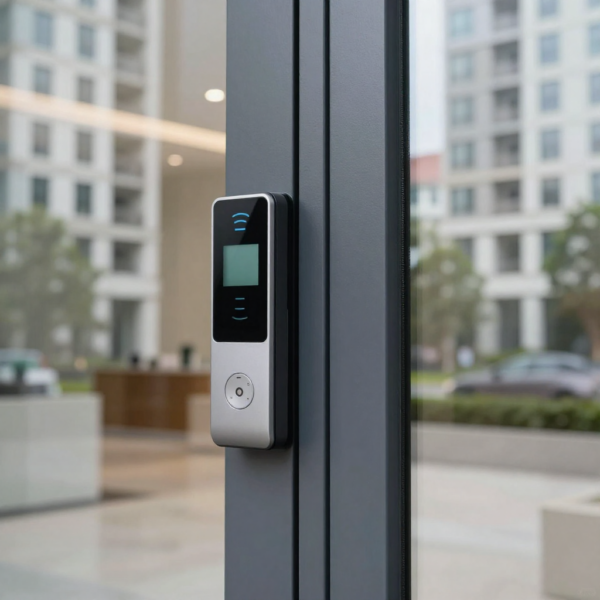
Touchless biometric authentication is gaining popularity due to hygiene and convenience concerns. Cloud-native platforms are enabling global access management from a single interface.
These trends indicate that access management systems are becoming more intelligent, integrated, and essential to workplace security management.
Final Thoughts: Why Every Workplace Needs an Access Control System
An Access Control System is no longer a luxury reserved for large enterprises. It is a critical component of modern workplace security management for organizations of all sizes.
By controlling access, improving visibility, reducing risks, and supporting compliance, access management systems protect not only physical assets but also people, data, and reputation.
For buyers evaluating security solutions, investing in the right access control system is a strategic decision that delivers long-term value, resilience, and peace of mind.