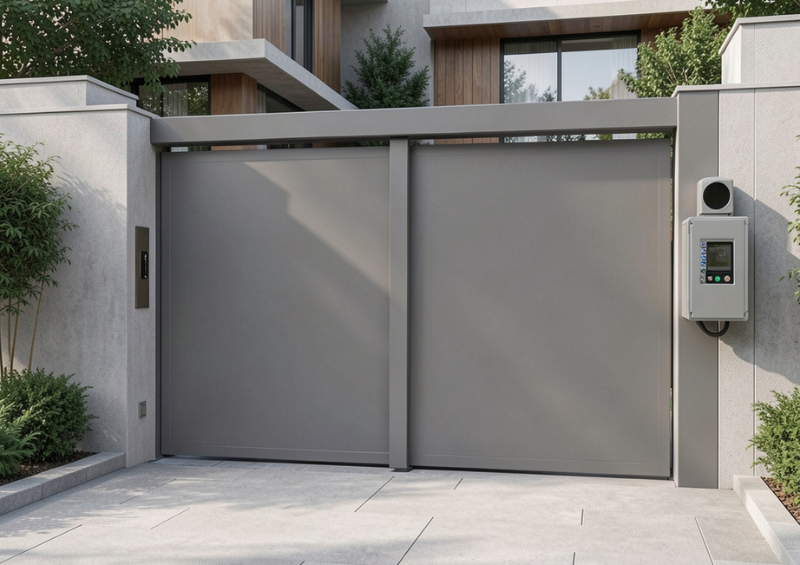
In today’s increasingly automated world, Sliding Gate Automation has become a cornerstone of modern access control systems. From residential driveways to large-scale industrial facilities, automated sliding gates offer a seamless blend of security, efficiency, and convenience.
However, behind every smooth and reliable sliding gate lies a carefully engineered balance of mechanical design and motor performance. One of the most critical yet often overlooked aspects is how motor torque is managed in real-world conditions. Rather than focusing purely on theoretical calculations, understanding how torque behaves in practical environments is essential for designing and maintaining a high-performing system.
This article explores the deeper mechanics, system behavior, and real-world considerations that influence motor torque in sliding gate automation.
Understanding the Mechanics of Sliding Gate Automation
Sliding gate systems operate through a linear motion mechanism, where the gate moves horizontally along a track using rollers. A motor drives a gear that engages with a rack attached to the gate, converting rotational motion into linear movement.
This seemingly simple process involves multiple layers of interaction between components. The motor must not only initiate movement but also maintain consistent force throughout the entire travel path. Any imbalance in these forces can result in uneven motion, increased wear, or system failure.
What makes Sliding Gate Automation unique is that it must perform reliably under constantly changing conditions—different loads, environmental factors, and usage patterns—all of which directly influence torque demand.
Why Torque Behavior Matters More Than Raw Power
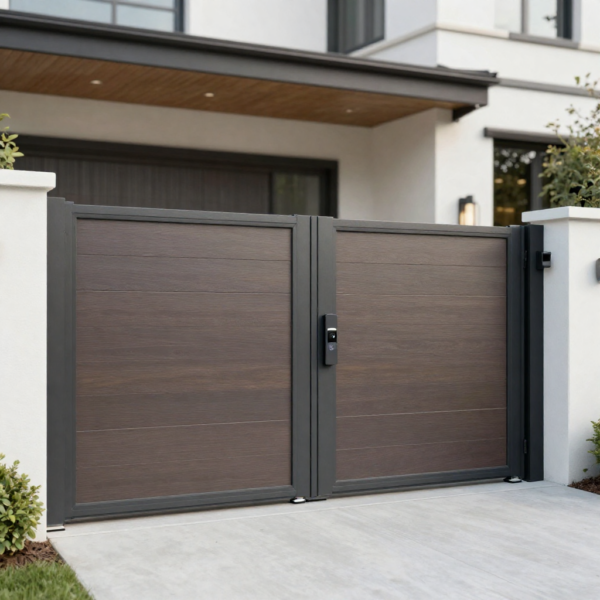
When selecting a motor, many assume that higher power automatically leads to better performance. In reality, what matters more is how torque is delivered and controlled.
Torque is not just about strength—it is about consistency, responsiveness, and adaptability. A well-designed system ensures that torque is applied smoothly, avoiding sudden jerks or excessive force.
In practical terms, this means:
- The gate starts moving without delay or strain
- Movement remains stable across the entire track
- The system adapts to resistance without overcompensating
An imbalance in torque delivery can lead to issues such as vibration, noise, or premature component wear. Therefore, achieving the right torque profile is far more important than simply increasing motor size.
Gate Design and Its Impact on Torque Demand
The physical design of the gate plays a major role in determining how torque is utilized.
Structural Balance
A well-balanced gate distributes its weight evenly across rollers, reducing strain on the motor. Poor weight distribution, on the other hand, creates uneven resistance, forcing the motor to compensate continuously.
Material Selection
Different materials influence both weight and friction. Steel gates, for example, are durable but heavy, while aluminum gates are lighter but may require additional reinforcement.
Gate Length and Surface Area
Longer gates or those with large surface areas are more susceptible to environmental forces such as wind. This adds variability to torque demand, especially in outdoor installations.
The key takeaway is that torque requirements are not fixed—they evolve based on how the gate is designed and installed.
The Hidden Role of Friction in System Performance
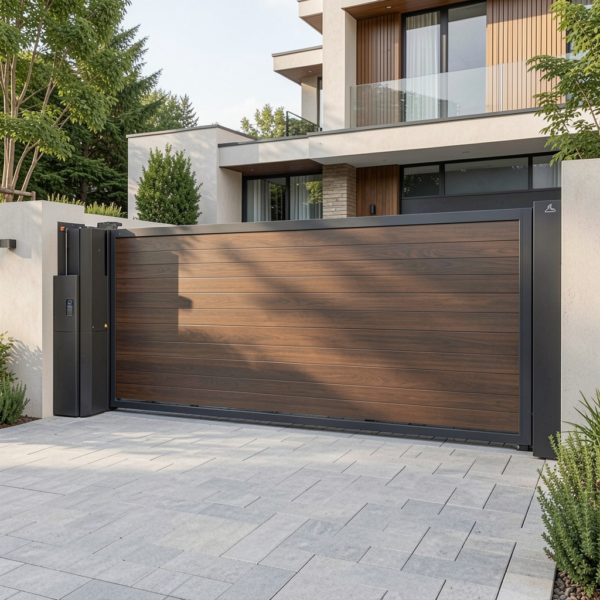
Friction is one of the most influential yet underestimated factors in Sliding Gate Automation.
Even in a well-installed system, friction is always present. It exists in:
- Roller bearings
- Track surfaces
- Gear and rack engagement
Over time, friction can increase due to wear, dirt accumulation, or lack of lubrication. As friction rises, the motor must deliver more torque to maintain the same level of performance.
What makes friction particularly challenging is its unpredictability. It can vary from day to day depending on environmental conditions, making it essential for systems to have built-in adaptability.
Environmental Influence on Torque Requirements
Sliding gate systems are often installed outdoors, exposing them to a wide range of environmental conditions.
Weather and Temperature
Extreme temperatures can affect both mechanical and electrical components. Cold weather may stiffen lubricants, increasing resistance, while high temperatures can reduce motor efficiency.
Dust and Debris
Dust, sand, and debris can accumulate on tracks, increasing friction and disrupting smooth movement. In some environments, this can significantly impact daily operation.
Wind Pressure
Large gates act as barriers against wind, which can create additional resistance. Strong gusts may require the motor to exert more torque to maintain consistent movement.
Moisture and Corrosion
Rain and humidity can lead to rust, which increases mechanical resistance over time. Without proper protection, this can gradually degrade system performance.
These environmental factors highlight the importance of designing systems that can adapt dynamically rather than relying on fixed torque assumptions.
Motor and Gearbox Synergy
The relationship between the motor and gearbox is central to how torque is delivered.
A motor alone cannot always provide the required torque efficiently. The gearbox modifies the output, allowing the system to achieve the desired balance between speed and force.
Torque Amplification
Gear systems can increase torque while reducing speed, enabling the motor to handle heavier loads without excessive power consumption.
Efficiency Balance
A well-matched motor and gearbox combination ensures that energy is used efficiently. Poor pairing can result in energy loss, overheating, or inconsistent performance.
Durability Considerations
The gearbox also plays a role in absorbing mechanical stress, protecting the motor from sudden load changes.
In essence, the motor and gearbox must work as a unified system rather than as separate components.
Smooth Motion and User Experience
One of the defining characteristics of a high-quality Sliding Gate Automation system is smooth and controlled movement.
Users may not notice the technical details, but they immediately recognize:
- Quiet operation
- Consistent speed
- Gentle start and stop
These qualities are directly influenced by how torque is managed.
Modern systems incorporate features such as:
- Soft start to gradually build torque
- Controlled acceleration to prevent sudden movement
- Soft stop to reduce impact at the end of travel
This level of control not only improves user experience but also reduces mechanical stress, extending the lifespan of the system.
Safety and Torque Control
Safety is a critical consideration in automated gate systems, and torque plays a central role.
Excessive force can create dangerous situations, particularly if the gate encounters an obstacle. To prevent this, systems are designed to monitor resistance and respond instantly.
Obstacle Detection
If the system detects unusual resistance, it can stop or reverse the gate to prevent injury or damage.
Force Limitation
Modern controllers limit the maximum torque output to ensure safe operation without compromising performance.
Compliance with Standards
Safety regulations require automated gates to meet strict force and response criteria. Proper torque management is essential for compliance.
Balancing power and safety is one of the most important challenges in sliding gate automation.
Smart Technology and Adaptive Torque
Advancements in technology have introduced intelligent control systems that enhance torque management.
Real-Time Monitoring
Sensors and controllers continuously monitor system performance, adjusting torque output based on current conditions.
Adaptive Learning
Some systems learn from usage patterns, optimizing performance over time. For example, they may adjust behavior based on peak usage periods.
Remote Diagnostics
IoT-enabled systems allow technicians to monitor performance remotely, identifying issues before they become critical.
These innovations transform sliding gate systems from static machines into dynamic, responsive systems.
Energy Efficiency and Sustainable Operation
Efficient torque management directly contributes to energy savings.
Instead of operating at full power constantly, modern systems deliver only the torque required for each situation. This reduces energy consumption and minimizes wear on components.
Energy-efficient systems are particularly important in large facilities where gates operate frequently. Over time, optimized torque control can result in significant cost savings.
Sustainability is becoming a key focus in building design, and Sliding Gate Automation plays a role in achieving these goals.
Maintenance and Long-Term Performance
Even the best-designed systems require regular maintenance to maintain optimal torque performance.
Routine Inspection
Checking tracks, rollers, and gears helps identify issues before they escalate.
Lubrication
Proper lubrication reduces friction and ensures smooth operation.
Component Replacement
Worn components should be replaced promptly to prevent additional strain on the motor.
Consistent maintenance ensures that torque requirements remain stable over time, preserving system efficiency.
Common Real-World Issues and Solutions
Despite careful design, sliding gate systems can encounter practical challenges.
Increased Resistance
Often caused by debris or misalignment, this can be resolved through cleaning and adjustment.
Noise and Vibration
Usually a sign of uneven torque distribution or worn components.
Inconsistent Movement
May indicate issues with motor control or environmental interference.
Understanding these issues helps in diagnosing problems quickly and maintaining system reliability.
Future of Sliding Gate Automation
The future of Sliding Gate Automation lies in smarter, more efficient systems.
Emerging technologies will focus on:
- AI-driven performance optimization
- Advanced materials to reduce weight and friction
- Enhanced safety systems with faster response times
- Deeper integration with smart home and security platforms
As these innovations continue to evolve, torque management will remain a central aspect of system design and performance.
Conclusion
Motor torque is not just a technical specification—it is a dynamic factor that influences every aspect of Sliding Gate Automation. From gate design and environmental conditions to motor technology and smart control systems, torque plays a vital role in ensuring smooth, safe, and efficient operation.
By focusing on real-world behavior rather than just theoretical values, system designers and installers can create solutions that perform reliably over time. As automation technology continues to advance, mastering torque management will be key to delivering high-quality, future-ready gate systems.