In commercial and industrial environments, gate automation plays a critical role in keeping operations secure, efficient, and reliable. In warehouses, logistics hubs, office buildings, and commercial facilities, automated gates are a necessity. However, systems that work perfectly at a front entrance may fail under the pressure of a high-traffic loading zone. Then, the loading area gate automation stands apart. Let’s get to understand the differences between the loading area and the main entrance gates to truly support day-to-day operations!
Why Loading Zones and Entrances Demand Different Gate Strategies
Loading zones and main entrances serve different roles within a property. These differences influence how the gate operates, who uses it, and how often it’s activated.
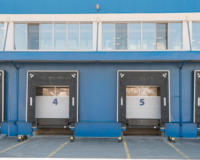
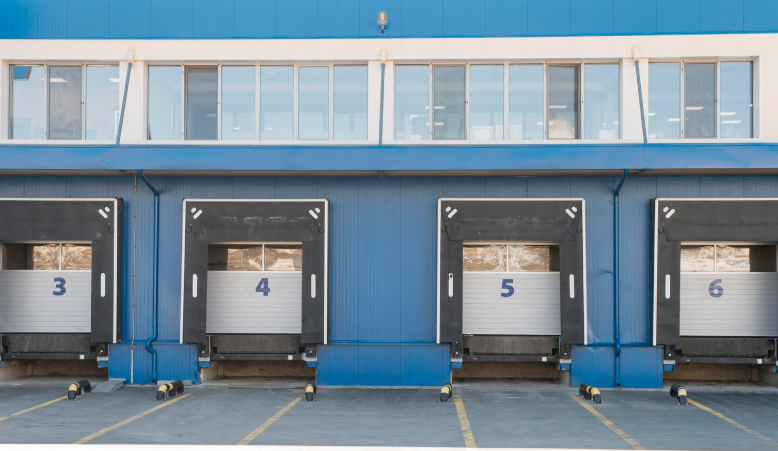
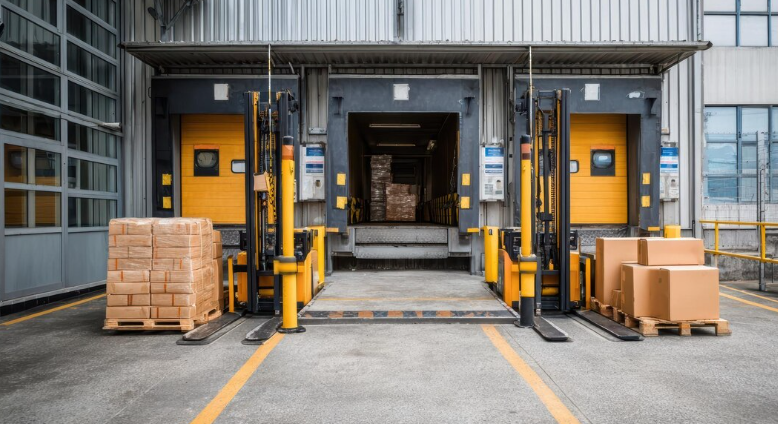
Loading area gates are primarily used in logistics environments such as warehouses, distribution centres, and manufacturing facilities. These gates handle frequent vehicle movement throughout the day. Trucks, forklifts, and delivery vans rely on quick and reliable access to maintain tight schedules.
On the other hand, the main entrance gates are designed for controlled access. They manage the flow of employees, visitors, and authorised vehicles while maintaining a secure perimeter. In many cases, they also serve as a visual focal point, contributing to the overall impression of the property.
Because of these distinctions in the two gates, their traffic patterns, user behaviour, and operational priorities differ significantly. An industrial gate system built for logistics must prioritise efficiency and resilience; meanwhile, entrance gate planning focuses more on access control, safety, and presentation. This is why loading area gate automation requires a tailored solution that reflects its high-demand environment.
What Really Matters in Loading Area Gate Automation
In demanding environments, loading area gate automation must deliver consistent, high-performance results under pressure. These systems are not just entry points – they are integral to the flow of goods and overall operational efficiency.
- High-Speed Operation
In a busy loading zone, delays can quickly escalate into major disruptions. Gates must open and close rapidly to keep vehicles moving and reduce idle time. High-speed automation ensures smoother workflows, especially during peak delivery hours.
- Durability & Heavy-Duty Performance
Loading area gates are exposed to constant use and often harsh conditions, including dust, rain, and temperature fluctuations. Systems must be engineered for heavy-duty performance, with robust motors and components capable of handling thousands of cycles without failure.
- Safety Around Vehicles & Workers
Safety is a top priority in any industrial setting. With vehicles and personnel operating in close proximity, automated gates must include advanced safety features such as motion sensors, safety edges, and obstacle detection. These technologies help prevent accidents and protect both workers and equipment.
- Automation Integration with Logistics Systems
Modern loading area gate automation goes beyond manual controls. Integration with RFID systems, fleet management platforms, and scheduling software allows gates to operate automatically for authorised vehicles. This reduces the need for manual intervention and improves overall efficiency.
- Minimal Downtime & Maintenance Efficiency
Downtime in a loading area can disrupt supply chains and impact business performance. Reliable systems with easy access for maintenance and long service intervals are essential. Preventative maintenance features and diagnostics can further reduce unexpected failures.
- Adaptability to Changing Workflows
Logistics environments are constantly evolving. Whether it’s an increase in delivery volume or changes in vehicle types, automation systems must be flexible enough to adapt. Scalable solutions ensure that the system continues to perform as operational needs grow.
What Defines Effective Main Entrance Gate Automation
While loading zones focus on efficiency, main entrance gates prioritise control, security, and user experience. These gates represent the first point of contact for the property, making their design and functionality especially important.
- Access Control & Security
Entrance gates must regulate who enters and exits the premises. This often involves intercom systems, keypads, access cards, or mobile credentials. A well-designed industrial gate system ensures that only authorised users can gain entry.
- Aesthetic Integration
Unlike loading gates, entrance gates are highly visible and often contribute to the building’s overall appearance. Automation systems should integrate seamlessly with the architectural design, enhancing rather than detracting from the property’s look.
- Visitor Management
Managing different types of users – staff, guests, contractors, and deliveries – requires structured access protocols. Smart systems can log entries, issue temporary access permissions, and improve overall site security.
- Noise Reduction & Smooth Operation
In office or residential environments, noisy or abrupt gate movements can be disruptive. Smooth, quiet operation enhances the user experience and reflects a higher level of quality.
- Scalable Smart Integration
Modern entrance systems are often part of a larger smart ecosystem. Integration with CCTV, alarms, and building management systems allows for centralised monitoring and control, making entrance gate planning more future-ready.
- User-Friendly Operation
Ease of use is essential. Whether it’s through mobile apps, remote controls, or automated recognition systems, users should be able to access the property quickly and without confusion.
Loading Area Gates vs Main Entrance Gates: Side-by-Side Comparison
| Criteria | Loading Area Gate Automation | Main Entrance Gate Automation |
| Primary Purpose | Facilitate fast, high-volume vehicle movement for logistics and deliveries | Control and monitor access for staff, visitors, and authorised vehicles |
| Traffic Frequency | Very high (continuous or peak-hour heavy flow) | Moderate (intermittent and controlled flow) |
| Speed Requirements | Critical – fast opening/closing to reduce delays | Moderate – smooth operation preferred over speed |
| Durability Needs | Heavy-duty components for constant use and harsh environments | Standard to high durability, depending on usage |
| Safety Focus | Worker and vehicle safety in busy, high-risk zones | User safety and secure access control |
| Access Control Level | Often automated (RFID, fleet systems, scheduled access) | Strict access control (intercoms, keypads, mobile credentials) |
| User Types | Truck drivers, logistics staff, warehouse personnel | Employees, residents, visitors, contractors |
| Aesthetic Importance | Low – function over form | High – contributes to building appearance and branding |
| Noise Consideration | Less critical in industrial settings | Important – especially in offices or residential areas |
| System Integration | Integrated with logistics, warehouse, and fleet systems | Integrated with CCTV, alarms, and smart building systems |
| Maintenance Priority | Minimal downtime essential to avoid operational disruption | Regular maintenance for reliability and user experience |
| Typical Gate Types | Sliding gates, telescopic gates, boom gates | Swing gates, bifold gates, designer entry gates |
| Scalability | Must adapt to growing logistics demands | Must support evolving security and smart access needs |
Matching the Right Gate Type to the Right Job
Selecting the right type of gate is a crucial step in ensuring the success of any automation gate system. The physical design of the gate must align with both the environment and the intended use.
Different gate types offer unique advantages, and choosing the right one can significantly improve the performance of loading area gate automation and entrance systems.
- Sliding Gates & Telescopic Systems: Ideal for loading zones with limited space, these gates move horizontally and can accommodate wide openings. Telescopic options are particularly useful when space is restricted, but access requirements are large.
- Boom Gates & Barrier Arms: These systems are perfect for high-traffic environments where speed is essential. Commonly used in car parks and logistics facilities, they allow quick entry and exit without requiring the gate to move fully.
- Swing or Bifold Gates: Often chosen for main entrances, these gates combine functionality with visual appeal. Bifold designs are especially useful in areas with limited space while still maintaining a stylish look.
- Integrated Door & Gate Systems: Facilities that manage both pedestrian and vehicle traffic benefit from integrated solutions. These systems create a unified access control strategy, improving both efficiency and security.
From Basic Automation to Fully Connected Smart Gate Systems
Modern gate automation has evolved into a sophisticated ecosystem that extends far beyond simple mechanical operation. Today’s systems are designed to connect, communicate, and adapt to broader building and operational technologies.
In logistics environments, loading area gate automation can integrate seamlessly with RFID readers, fleet-tracking systems, and warehouse management platforms. This enables automated entry for authorised vehicles, reduces waiting times, and improves workflow coordination. The result is a more streamlined and efficient operation with fewer manual processes.
For main entrances, smart integration focuses on convenience and security. Intercom systems, mobile applications, and remote access controls allow users to manage entry from virtually anywhere. Integration with surveillance systems and alarms adds an extra layer of protection.
Technologies such as Z-Wave, KNX, and Wi-Fi connectivity make it easier to incorporate gate systems into broader automation networks. This ensures compatibility with lighting, security, and environmental controls, creating a fully connected smart property.
Solutions from brands like Beninca and Nice offer flexible options for both industrial and entrance applications. Their systems are designed to support scalability, allowing businesses to start with basic automation and expand into more advanced setups over time. This makes loading area gate automation a future-proof investment that can evolve alongside operational needs.
In Conclusion,
Ultimately, successful gate automation comes down to understanding how each gate is used. Loading area gate automation focuses on speed, durability, and seamless integration with logistics systems to ensure that operations run efficiently without disruption. In contrast, main entrance gates prioritise security, accessibility, and user experience for a controlled and welcoming entry point.
By carefully assessing these differences and selecting the right technologies, businesses can maximise the value of their investment. As automation continues to advance, smart gate systems will play an increasingly important role.
Looking to find the right solution for your next project? Explore the full range of gate automation and smart access systems available from Digital Home Systems today!