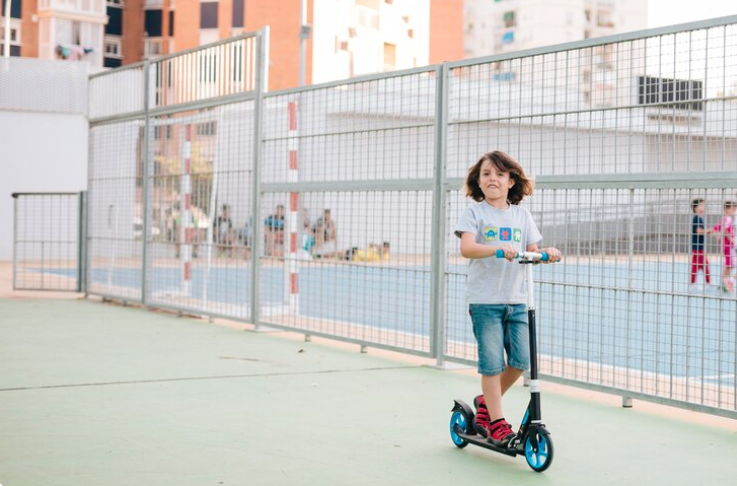
Gate automation for childcare centres ensures convenience and restricts entry. Also, it’s about protecting vulnerable occupants and ensuring a secure environment. In facilities where young children are constantly moving and interacting with their surroundings, entry and exit points are among the highest-risk zones.
Unlike typical residential or commercial installations, childcare environments demand a much higher level of safety awareness. Automated gate systems must address a wide range of risks, from preventing unauthorised access to ensuring children cannot exit unsupervised.
This guide explores the critical safety considerations behind gate automation for childcare centres, helping builders, operators, and installers make informed decisions for their projects in these specialised spaces.
Why Childcare Centres Demand More Than Just Basic Access Control
When designing gate automation for childcare centres, it’s essential to recognise that these environments operate very differently from standard residential or commercial properties. The level of vulnerability is significantly higher, and the consequences of system failure can be far more serious.
Young children are naturally curious and unpredictable. They often lack awareness of potential dangers. Even a brief lapse in access control can lead to risky situations. Whether it’s a child wandering towards an open gate or standing too close during operation, the system must be designed to anticipate and prevent these behaviours.
At the same time, childcare centres experience constant movement throughout the day. Parents arriving for drop-offs, staff transitions, visitors, and delivery drivers all contribute to high traffic volumes. This creates pressure on entry systems to operate smoothly without compromising safety.
There are also strict regulatory and duty-of-care obligations placed on childcare providers. Operators are legally and ethically responsible for maintaining a secure environment. Also, entry points are a critical part of that responsibility.
This is where the concept of layered security becomes essential. Gate automation for childcare centres should not function as a standalone solution but as part of a broader system. It helps control movement, monitors access, and reduces reliance on human intervention.
Key Safety Risks in Childcare Entry and Exit Points
Understanding the risks associated with entry points is the first step in designing an effective system. Gate automation for childcare centres must actively mitigate these common hazards:
- Tailgating and unauthorised access
One of the most frequent issues is when an unauthorised person enters immediately after an authorised user. Parents or visitors may unintentionally allow others to follow them through the gate, bypassing security protocols. Without proper controls, this can compromise the entire facility.
- Child escape risks
During busy drop-off and pick-up periods, supervision can be stretched thin. Children may attempt to follow their parents or slip through open or slow-closing gates. Automated systems must ensure gates close promptly and cannot be easily bypassed.
- Gate closing hazards
Moving gates pose a physical risk, particularly to small children who may not recognise danger. Without proper safety mechanisms, there is a risk of injury from contact with the gate during operation.
- Vehicle and pedestrian interaction
Many childcare centres share access points between vehicles and pedestrians. This increases the likelihood of accidents, especially when drivers are distracted or visibility is limited. Poorly designed entry systems can worsen this risk.
- Manual gate errors
Traditional gates rely heavily on human behaviour. Gates may be left open, improperly secured, or delayed in closing. Automation reduces these risks, but only when properly configured and maintained.
Addressing these risks requires a safety-first approach tailored specifically to childcare environments.

Essential Safety Features Every Childcare Gate System Needs
To effectively reduce risk, gate automation for childcare centres must incorporate a range of advanced safety features. These components work together to ensure safe and reliable operation at all times.
- Obstacle detection and auto-reverse mechanisms: These systems detect resistance or contact during gate movement and immediately stop or reverse direction. This is critical in preventing injuries, especially when children are nearby.
- Photoelectric safety beams: Safety beams create an invisible detection line across the gate path. If the beam is interrupted, the gate will not close or will reverse if already moving. This feature is essential in environments where small children may unexpectedly enter the gate zone.
- Soft start and stop motors: Sudden movements can be dangerous. Soft start and stop functionality ensures the gate accelerates and decelerates gradually, reducing mechanical force and minimising risk.
- Speed control and force limitation: Adjustable speed and force settings allow installers to fine-tune the gate’s operation for safer performance. Lower force levels are particularly important in childcare settings.
- Fail-safe operation during power outages: Power failures should not compromise safety. Battery backup systems or manual override options ensure the gate can still operate securely when needed.
- Secure locking mechanisms: Automated gates must remain securely closed when not in use. Robust locking systems prevent forced entry and reduce the likelihood of accidental opening.
Designing Safe Entry Flows During Busy Drop-Off and Pick-Up Times
Peak periods present one of the biggest challenges for gate automation for childcare centres. The concentration of people and vehicles during drop-off and pick-up times increases the risk of congestion and accidents.
A well-designed system should prioritise clear separation between pedestrian and vehicle access points. This reduces the likelihood of children crossing paths with moving vehicles and creates a more controlled flow.
Automation logic also plays a key role. Gates can be programmed to open and close at optimal times, reducing delays while maintaining strict access control. For example, timed closing sequences ensure gates do not remain open longer than necessary, even during high traffic.
Integration with intercoms, keypads, or credential-based systems enables controlled entry without constant staff intervention. Parents can be granted access via secure methods such as PIN codes or RFID tags, reducing bottlenecks at entry points.
By streamlining entry processes, automation not only improves safety but also reduces staff workload. This allows educators and administrators to focus on supervising children rather than manually managing access.

Connecting Gate Automation with Broader Childcare Security Systems
Gate automation for childcare centres should never operate in isolation. Instead, it should form part of a comprehensive security ecosystem that enhances visibility, control, and accountability.
A connected system offers several advantages:
- Access control systems: Secure access methods, such as PIN codes, RFID cards, or mobile credentials, ensure that only authorised individuals can enter the premises. These systems can be customised for parents, staff, and service providers.
- Video intercom and surveillance: Visual verification adds an extra layer of security. Staff can confirm visitors’ identities before granting access, reducing the risk of unauthorised entry.
- Alarm and monitoring systems: Automated alerts can notify staff of forced entry attempts, gate malfunctions, or unusual activity. This enables rapid response to potential threats.
- Smart automation platforms: Centralised control systems allow operators to manage multiple entry points from a single interface. This improves efficiency and ensures consistent operation across the facility.
- Audit trails and access logs: Tracking who enters and exits – and when – provides valuable data for security and compliance. It also supports incident investigations if required.
By integrating these technologies, gate automation for childcare centres becomes a proactive safety solution rather than a passive barrier.
Meeting Compliance and Duty of Care Requirements
Compliance is a critical consideration when implementing gate automation for childcare centres. Operators must ensure their systems meet all relevant safety standards, building codes, and regulatory requirements.
Automated gates are subject to strict guidelines regarding installation, operation, and maintenance. These standards are designed to minimise risk and ensure systems perform reliably in high-risk environments.
Beyond technical compliance, there is also a broader duty of care. Childcare providers are responsible for creating a safe environment for children, staff, and visitors. Entry systems play a central role in fulfilling this obligation.
Regular maintenance and safety inspections are essential. Components such as sensors, motors, and control systems must be tested and serviced to ensure ongoing performance. Neglecting maintenance can lead to system failure and increased liability.
Documentation is equally important. Proper records of installation, testing, and servicing provide evidence of compliance and demonstrate a commitment to safety.
Choosing the Right Gate Automation for Childcare Centres
Selecting the right system is key to achieving effective gate automation for childcare centres. Several factors should be considered during the planning stage:
- Gate type selection
Sliding gates are often preferred for their space efficiency and controlled movement, while swing gates may suit certain layouts. The choice should prioritise safety and site conditions.
- Usage intensity
Childcare centres experience frequent gate operations throughout the day. Systems must be designed for high-cycle use to ensure durability and reliability.
- Environmental conditions
Outdoor installations must withstand weather exposure, including heat, rain, and dust. High-quality materials and weather-resistant components are essential.
- Integration capability
The system should be compatible with broader security and automation platforms, allowing for seamless integration and future scalability.
- Installer expertise
Proper installation and configuration are critical. Working with experienced professionals ensures the system is optimised for safety and performance.
- Recommended systems
Solutions from trusted brands like Beninca and Nice are well-regarded for their reliability, advanced safety features, and adaptability. These systems are designed to meet the demands of high-risk environments, making them suitable for childcare applications.
To Sum Up,
Gate automation for childcare centres should ensure a secure, controlled environment where children can learn and play safely. It helps address risks such as unauthorised access, child escape, and physical hazards. Well-designed systems provide critical protection at key entry points.
A safety-first approach combines advanced features and system integration to deliver reliable performance in even the busiest environments. When paired with proper maintenance and compliance, these systems support operational efficiency and duty of care.
For builders, operators, and specifiers, investing in high-quality gate automation for childcare centres can deliver lasting benefits – enhancing safety, improving workflows, and providing peace of mind for everyone involved.