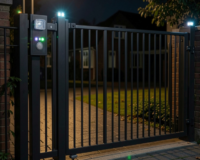
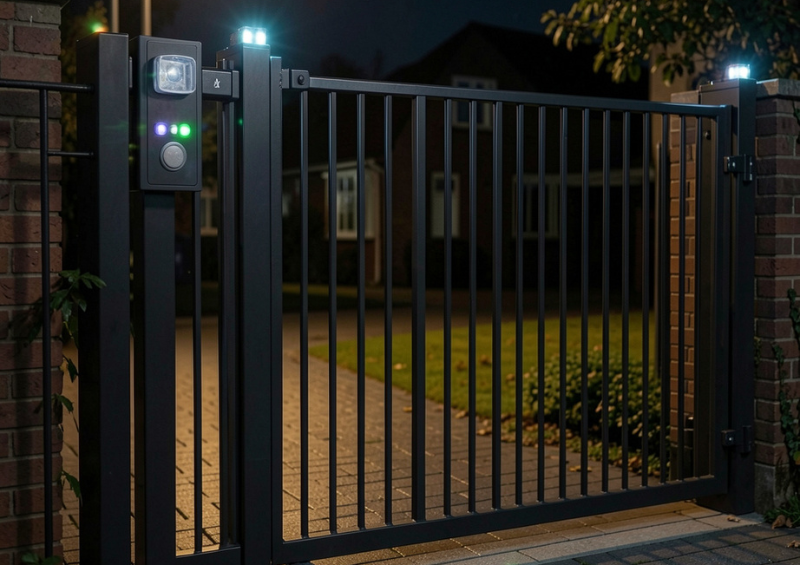
Automatic gates are widely used in residential, commercial, and industrial environments to enhance security and convenience. However, their safety depends heavily on one critical component—Safety Sensors for Gates.
These sensors are responsible for detecting obstacles, preventing accidents, and ensuring smooth operation. But in real-world conditions, gates are exposed to dust, rain, extreme temperatures, and other environmental factors that can affect sensor performance.
This is where environmental testing becomes essential. Proper testing ensures that safety sensors remain reliable under all conditions, reducing risks and maintaining compliance with safety standards.
What Are Safety Sensors for Gates?
Safety Sensors for Gates are devices designed to detect objects, people, or vehicles in the path of a gate. When an obstacle is detected, the system either stops or reverses the gate movement.
Common Types of Gate Safety Sensors
- Photoelectric sensors (infrared beams)
- Pressure-sensitive edges
- Radar or motion sensors
- Laser sensors
Each type plays a specific role in ensuring safe gate operation.
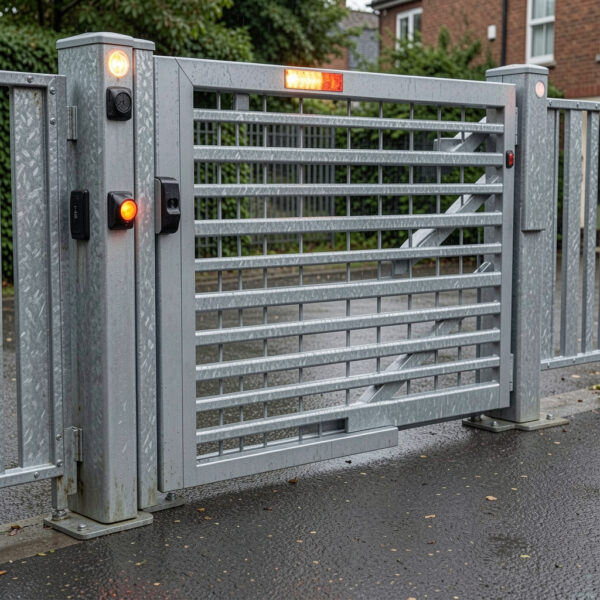
The Role of Environmental Testing in Gate Safety
Environmental testing evaluates how sensors perform under different conditions.
Key Objectives
- Ensure consistent detection accuracy
- Prevent false triggers
- Maintain reliability in harsh environments
- Extend system lifespan
Without proper testing, even high-quality sensors can fail in real-world scenarios.
Key Environmental Factors Affecting Safety Sensors
When deploying Safety Sensors for Gates in real-world environments, it is essential to understand that these devices rarely operate under ideal conditions. Outdoor installations expose sensors to a wide range of environmental variables that can directly impact performance, accuracy, and reliability.
Temperature Extremes and Thermal Stress
Temperature fluctuations can cause both immediate and long-term issues. In high-temperature environments, internal electronic components may overheat, leading to signal instability or temporary shutdown. Over time, prolonged exposure to heat can degrade circuit boards and reduce sensor lifespan.
On the other hand, extremely low temperatures can slow down response times and affect material flexibility. Components such as cables and housings may become brittle, increasing the risk of mechanical failure.
For this reason, high-quality Safety Sensors for Gates are designed with temperature-resistant materials and undergo rigorous thermal testing to ensure consistent performance across a wide operating range.
Moisture, Rain, and Humidity Exposure
Water is one of the most common causes of sensor failure in outdoor systems. Rain, condensation, and humidity can penetrate poorly sealed enclosures, leading to corrosion or short circuits.
Even when sensors are rated for outdoor use, prolonged exposure to moisture can still affect performance if not properly maintained. For example, water droplets on photoelectric sensors can scatter infrared beams, causing false triggers or missed detections.
Environmental testing helps verify that sensors meet appropriate IP (Ingress Protection) ratings, ensuring they can withstand water exposure without compromising functionality.
Dust, Dirt, and Debris Accumulation
Dust and airborne particles are often overlooked but can significantly impact sensor accuracy. Over time, dust can accumulate on lenses or detection surfaces, reducing sensitivity and causing unreliable readings.
In industrial or rural environments, where dust levels are higher, this becomes an even greater concern. Environmental testing simulates these conditions to ensure that sensors continue to perform reliably even after prolonged exposure.
Regular cleaning and maintenance are also critical to maintaining optimal performance.
Sunlight, Glare, and Optical Interference
Direct sunlight can interfere with infrared-based Safety Sensors for Gates, especially during certain times of the day when the sun’s angle aligns with the sensor’s detection path.
Glare from reflective surfaces such as metal gates or vehicles can also disrupt signals. Without proper filtering or shielding, sensors may produce false positives or fail to detect obstacles altogether.
Modern sensors often include advanced filtering technologies to minimize the impact of ambient light, but proper positioning during installation remains equally important.
Wind, Vibration, and Mechanical Movement
Gates are subject to constant movement, which can create vibration and mechanical stress on sensor components. Strong winds can also cause slight shifts in alignment, particularly for photoelectric sensors that rely on precise beam positioning.
Over time, these factors can lead to misalignment, reducing detection accuracy. Environmental testing ensures that sensors can maintain stable performance despite these dynamic conditions.
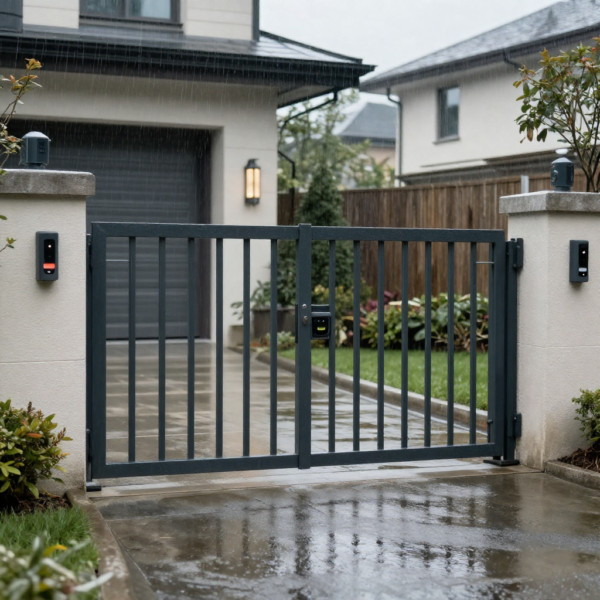
Temperature Testing for Safety Sensors
Temperature testing is one of the most critical aspects of evaluating Safety Sensors for Gates, as it directly affects both electronic and mechanical components.
High-Temperature Testing
In hot climates or during summer months, sensors may be exposed to extreme heat for extended periods. Testing in high-temperature environments helps identify potential issues such as:
- Overheating of internal circuits
- Reduced signal strength
- Deformation of plastic housings
- Accelerated component aging
Manufacturers often simulate these conditions in controlled environments to ensure that sensors can operate reliably even under extreme heat.
Low-Temperature Testing
Cold environments present a different set of challenges. Freezing temperatures can affect battery performance, slow down electronic response times, and make materials more rigid.
Testing ensures that sensors can:
- Maintain fast response times
- Resist cracking or brittleness
- Operate consistently in freezing conditions
For installations in colder regions, selecting sensors with proven low-temperature performance is essential.
Water and Moisture Resistance Testing
Water resistance is a fundamental requirement for outdoor Safety Sensors for Gates. Environmental testing focuses on ensuring that sensors can withstand various forms of moisture exposure.
Simulated Rain and Spray Testing
Sensors are subjected to controlled water spray to replicate rainfall conditions. This helps verify that seals and enclosures effectively prevent water ingress.
Humidity Chamber Testing
High humidity environments can cause condensation inside sensor housings. Testing in humidity chambers ensures that internal components remain protected and functional.
Long-Term Exposure Testing
Beyond short-term exposure, sensors are also tested for durability under prolonged moisture conditions. This helps identify potential issues such as corrosion or seal degradation.
Importance of IP Ratings
Ingress Protection (IP) ratings indicate how well a sensor is protected against dust and water. For outdoor gate systems, selecting sensors with appropriate IP ratings is critical for long-term reliability.
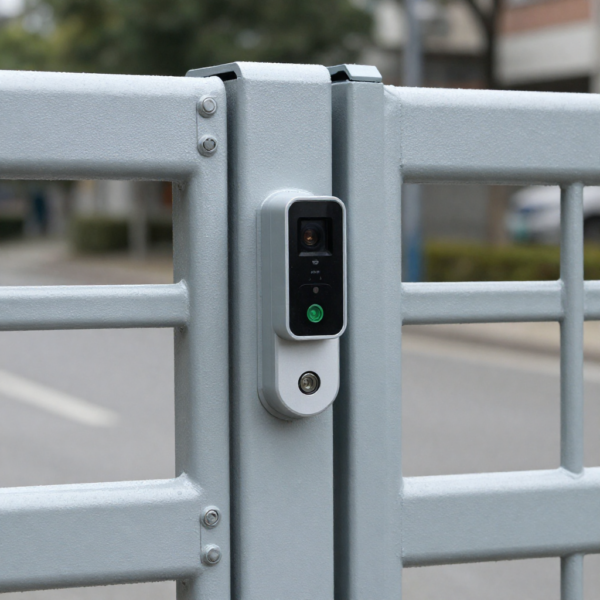
Dust and Particle Testing
Dust testing evaluates how well Safety Sensors for Gates perform in environments with high levels of airborne particles.
Controlled Dust Exposure
Sensors are placed in chambers where fine particles are introduced to simulate real-world conditions. This helps assess how dust affects detection accuracy and signal clarity.
Long-Term Accumulation Testing
Over time, dust buildup can reduce sensor effectiveness. Testing ensures that sensors can maintain performance even after extended exposure.
Design Considerations
High-quality sensors often include protective covers or self-cleaning features to minimize dust accumulation. These design elements are critical for maintaining reliability in challenging environments.
Light Interference Testing
Optical sensors are particularly sensitive to light conditions, making light interference testing essential.
Direct Sunlight Simulation
Sensors are exposed to intense light sources to replicate sunlight conditions. This helps identify potential interference issues and ensures that sensors can distinguish between actual obstacles and environmental light.
Reflection and Glare Testing
Reflective surfaces can cause signal distortion. Testing evaluates how sensors respond to these conditions and ensures accurate detection.
Adaptive Sensitivity Features
Modern Safety Sensors for Gates often include adjustable sensitivity settings, allowing them to adapt to changing light conditions. This improves reliability in diverse environments.
Vibration and Mechanical Stress Testing
Gates often experience vibration during operation.
Testing Includes
- Repeated movement cycles
- Impact and shock testing
Purpose
- Ensures sensor stability
- Prevents misalignment
Performance Testing Under Real-World Conditions
While laboratory testing provides valuable insights, real-world testing is essential for validating sensor performance in practical applications.
Field Deployment Testing
Sensors are installed in actual gate systems and monitored over time. This helps identify issues that may not appear in controlled environments.
Continuous Monitoring
Performance data is collected to evaluate:
- Detection accuracy
- Response time
- Reliability under varying conditions
User Feedback
Feedback from installers and end-users provides additional insights into real-world performance, helping manufacturers improve sensor design.
Compliance with Safety Standards
Safety Sensors for Gates must comply with industry standards.
Examples
- EN 12453 (Europe)
- UL 325 (USA)
Compliance ensures safety and legal protection.
Common Issues Detected During Testing
- False triggering
- Delayed response
- Sensor misalignment
- Signal interference
Identifying these issues early prevents accidents.
Best Practices for Environmental Testing
- Conduct regular testing
- Use certified testing equipment
- Follow manufacturer guidelines
- Document results
Maintenance and Testing Integration
Environmental testing should not be a one-time process. Instead, it should be integrated into regular maintenance routines for Safety Sensors for Gates.
Routine Inspection
Regular checks help identify early signs of wear, misalignment, or contamination.
Cleaning and Calibration
Keeping sensors clean and properly aligned ensures consistent performance.
Periodic Testing
Scheduled testing verifies that sensors continue to meet safety requirements over time.
By combining testing with maintenance, organizations can ensure long-term reliability and safety.
Future Trends in Gate Safety Sensors
- AI-based detection systems
- Smart diagnostics
- IoT-enabled monitoring
- Improved environmental resistance
Choosing the Right Safety Sensors for Your Environment
Consider:
- Climate conditions
- Usage frequency
- Installation location
- Compliance requirements
Conclusion: Ensuring Safety Through Testing
Environmental testing is essential for ensuring the reliability of Safety Sensors for Gates. By understanding environmental challenges and implementing proper testing procedures, you can maintain safe and efficient gate operation.
Investing in high-quality sensors and regular testing not only improves safety but also extends the lifespan of your gate system.