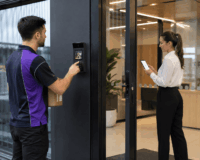

Managing security across multiple locations is no small feat. As businesses expand, whether retail chains, logistics networks, or corporate campuses, the need for a reliable and scalable multi-site alarm system becomes critical. These systems must not only protect individual sites but also operate across an entire network.
In today’s commercial security landscape, integrators are expected to deliver solutions that are flexible, intelligent, and easy to maintain at scale. This means moving beyond standalone alarm setups and embracing interconnected systems. In this guide, we’ll explore the key challenges and best practices for building robust multi-site alarm systems.
Keep reading!
Key Challenges in Scaling Multi-Site Alarm Systems
Scaling a multi-site alarm system introduces a unique set of operational and technical hurdles. While single-site deployments can be relatively straightforward, expanding across multiple locations often exposes inconsistencies and inefficiencies that must be carefully managed.
One of the biggest challenges is the variation in infrastructure between sites. Older locations may rely on legacy systems that lack compatibility with newer technologies, while newer facilities might already use advanced IP-based or wireless solutions. This mismatch creates complexity when trying to unify systems under a single platform.
Other common challenges include:
- Inconsistent infrastructure across sites: Differences between legacy and modern systems can make integration difficult and costly.
- Network reliability and latency issues: Remote or regional locations may experience unstable connectivity, which can affect real-time communication.
- Complex system integration: Combining access control, CCTV, and intrusion detection systems into one cohesive platform requires careful planning.
- Alarm fatigue and false positives: High volumes of alerts across multiple sites can overwhelm monitoring teams and reduce response effectiveness.
- Difficulties in centralised monitoring and control: Without a unified dashboard, operators may struggle to maintain visibility across all locations.
- Maintenance and firmware management at scale: Updating devices across dozens or hundreds of sites can be time-consuming without remote capabilities.
- Compliance and regional regulatory differences: States or regions may have different requirements for security systems and data handling.
Addressing these challenges requires more than just adding devices; it demands a structured and scalable system architecture that supports growth while maintaining consistency and reliability.

Architecture of a Scalable Multi-Site Alarm System
A well-designed architecture is the backbone of any successful multi-site alarm system. It determines how devices communicate, how data is processed, and how efficiently the system can scale over time.
At a high level, there are two primary approaches: centralised and distributed architectures. In a centralised model, all alarm data is sent to a single control hub or cloud platform, allowing for unified monitoring and management. This approach simplifies oversight but can become vulnerable if connectivity is disrupted.
On the other hand, distributed architectures place more intelligence at the site level. Each location operates semi-independently, with local controllers managing alarms and automation. This improves resilience but can complicate system-wide coordination.
Modern deployments often adopt a hybrid approach, combining edge computing with cloud-based monitoring. Local gateways and controllers handle immediate responses, while cloud platforms provide central visibility, analytics, and long-term data storage.
Key architectural components include:
- Gateways and controllers that act as the bridge between devices and central systems
- Wireless protocols like Z-Wave, Zigbee, and KNX, which enable flexible device integration
- IP-based systems for high-speed communication and remote access
- Redundancy and failover mechanisms to ensure continuous operation during outages
Interoperability is crucial. A scalable system must support multiple protocols and integrate seamlessly with other security and building management systems. Ultimately, a strong architecture lays the foundation for long-term scalability, reliability, and performance.
Best Practices for Designing Multi-Site Alarm Deployments
Designing a scalable multi-site alarm system requires a strategic approach that balances performance, efficiency, and future growth. By following proven best practices, integrators can reduce complexity while delivering consistent outcomes across all sites.
Below are key recommendations to guide your deployment:
- Standardise hardware and communication protocols
Using consistent devices and protocols across all sites simplifies installation, integration, and maintenance. It also reduces compatibility issues and training requirements for technicians.
- Implement zone-based alarm grouping
Organising devices into logical zones, such as entrances, storage areas, or restricted zones, makes it easier to monitor and respond to alerts. This approach also helps reduce alarm fatigue by providing more context.
- Use scalable cloud or centralised dashboards
A unified interface allows operators to monitor all sites in real time, manage alerts efficiently, and generate reports. Cloud-based platforms are particularly valuable for remote access and scalability.
- Design for remote diagnostics and updates
Remote access to devices enables faster troubleshooting and firmware updates, reducing the need for on-site visits and lowering operational costs.
- Ensure proper siren placement and coverage
Audible and visual alerts must be strategically positioned to maximise effectiveness. This is especially important in large or noisy environments.
- Plan for future expansion
A scalable system should easily accommodate additional sites, devices, and integrations without requiring a complete redesign.
- Prioritise cybersecurity and data protection
With multiple connected sites, security risks increase. Implement strong encryption, secure authentication, and regular updates to protect the system.
Each of these practices contributes to a more efficient and manageable deployment. By standardising processes and designing with scalability in mind, integrators can significantly reduce operational overhead while improving overall system performance.
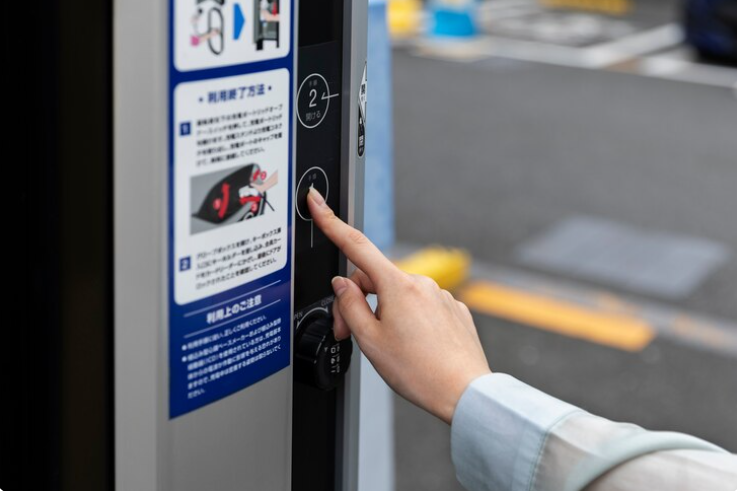
The Role of Automation and Smart Integration in Commercial Security
Automation is transforming how commercial security systems operate, particularly in multi-site alarm systems. By integrating smart technologies, businesses can move from reactive responses to proactive security management.
Automation enables systems to respond instantly to events without human intervention. For example:
- Alarm triggers activating lighting, cameras, and access locks – When an intrusion is detected, lights can switch on, cameras begin recording, and doors automatically lock down.
- Integration with building management systems (BMS) – Security systems can interact with HVAC, lighting, and energy management systems to enable coordinated responses.
- Event-based workflows and escalation paths – Alerts can be prioritised and routed to the appropriate personnel based on severity and location.
- Real-time notifications to mobile devices – Security teams can receive instant updates and respond quickly, even when off-site.
For monitoring providers, automation offers significant advantages. It reduces manual intervention, speeds up incident triage, and improves overall response times. It also ensures consistency across multiple locations, which is critical for large-scale operations.
Ultimately, smart integration enhances both efficiency and effectiveness, making it an essential component of modern commercial security systems.
Enhancing Multi-Site Security with Outdoor Sirens and Alert Systems
In a distributed security environment, audible and visual alerts play a vital role in deterring threats and ensuring rapid response. In a multi-site alarm system, outdoor sirens provide a consistent, immediate way to signal security breaches across all locations.
The VISION Z-Wave Outdoor Siren is a strong example of how modern alert devices can support scalable deployments. Designed for seamless integration with Z-Wave controllers, it fits naturally into wireless security ecosystems used across multiple sites.
Key benefits include:
- High-powered 115 dB siren: Ensures immediate awareness of security events, even in large or open environments.
- Visual strobe alerts: Bright flashing lights improve visibility in high-noise areas such as warehouses or industrial facilities.
- Wireless deployment: Eliminates the need for complex wiring, making installation easier across multiple locations.
- Long battery life: Reduces maintenance requirements, which is especially valuable for large-scale deployments.
- Tamper alerts: Notifies the system if the device is disturbed or removed, enhancing overall security integrity.
- Seamless sensor integration: Works with motion, door/window, flood, and shock sensors to create a comprehensive detection system.
Standardising siren deployment across all sites ensures consistent performance and user experience. It also simplifies training and maintenance, making it easier for teams to manage security at scale.

Centralised Monitoring and Data-Driven Security Management
Centralised monitoring is essential for maintaining visibility across a multi-site alarm system. Without a unified view, managing multiple locations can quickly become overwhelming and inefficient.
Modern systems use cloud-based dashboards to provide real-time insights into all connected sites. These platforms allow operators to monitor alerts, review system status, and respond to incidents from a single interface.
Data plays a crucial role in improving security outcomes. By analysing trends, such as frequent false alarms or high-risk zones, businesses can identify areas for optimisation. This might involve adjusting sensor placement, refining alert thresholds, or enhancing staff training.
Integration with monitoring centres and mobile applications further enhances responsiveness. Security teams can receive instant notifications, access live data, and take action from anywhere.
For large-scale clients such as retail chains, logistics companies, and educational campuses, centralised, data-driven management offers significant benefits. It improves operational efficiency, reduces response times, and ensures a consistent level of protection across all locations.
In Conclusion,
Designing a scalable multi-site alarm system is about more than just connecting devices; it’s about creating a cohesive security ecosystem. By focusing on strong architecture and smart integration, businesses can build systems that are both reliable and future-ready.
From overcoming infrastructure challenges to leveraging automation and centralised monitoring, every element plays a role in improving security outcomes. Reliable hardware, such as the VISION Z-Wave Outdoor Siren, adds another layer of consistency and effectiveness.
As commercial security continues to evolve, integrators must adopt flexible and forward-thinking strategies. Then, they can deliver solutions that not only meet today’s demands but also adapt to tomorrow’s challenges.
Looking to scale your commercial security solutions? Partner with Digital Home Systems to access cutting-edge technology and expert support for multi-site success!