Modern buildings are increasingly designed to be intelligent, energy-efficient, and safety-focused. Among the many technologies supporting this shift, the smart window control system has evolved from a comfort feature into a critical component of building safety strategy. In emergency situations such as fires, smoke events, extreme heat, or poor indoor air quality, automated window systems can help protect occupants and support evacuation and emergency response.
When properly designed, a smart window control system can automatically open, close, or modulate windows based on real-time inputs from fire alarms, environmental sensors, or manual overrides. However, not all systems are engineered with emergency readiness in mind. Understanding how automated window control behaves in critical scenarios is essential for building owners, facility managers, architects, and engineers.
This guide explains how smart window control systems function during emergencies, what features matter most, and how to ensure your installation is safe, compliant, and future-ready.
Table of Contents
ToggleWhat Is a Smart Window Control System?
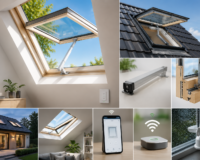
A smart window control system is an automated solution that manages the opening and closing of windows using electric actuators, sensors, and programmable controllers. These systems are commonly integrated into building management platforms to improve ventilation, energy efficiency, and safety.
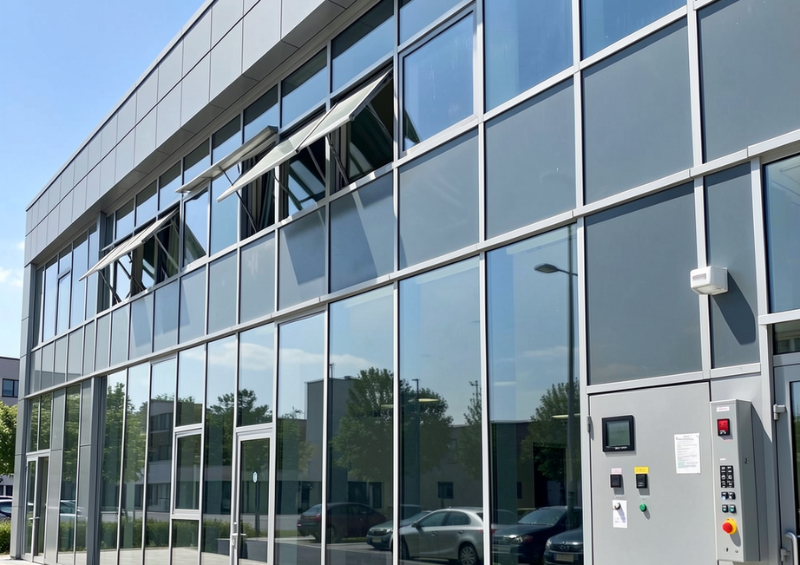
At its core, the system typically includes window motors or chain actuators, a central control panel, environmental sensors (such as temperature, CO₂, wind, or rain), and interfaces to fire alarm or building management systems. The controller processes incoming signals and sends commands to the window actuators based on predefined logic.
Unlike manual windows, a smart window control system can respond instantly to changing conditions without human intervention. In emergency contexts, this automation becomes especially valuable because it allows buildings to react faster than occupants or operators could manually.
Why Automated Window Control Matters in Emergencies
While many people associate automated windows with comfort ventilation, their role in life safety is increasingly important in modern building design. During emergencies, especially fires, smoke and heat are often more dangerous than flames themselves. Poor visibility and toxic gases can quickly make evacuation routes unsafe.
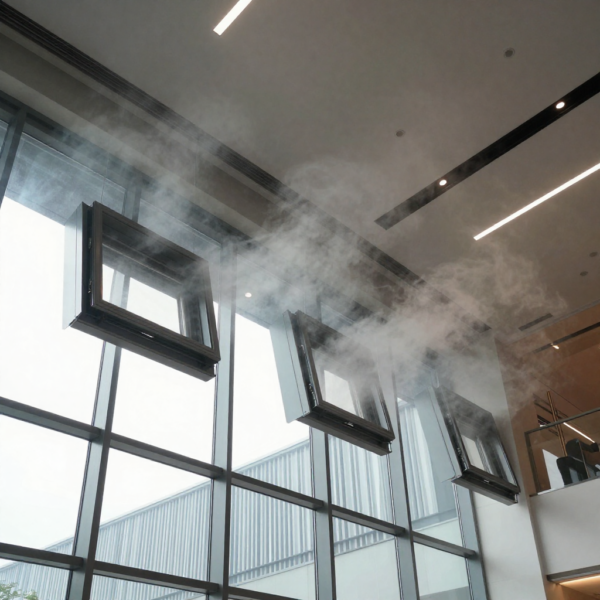
A properly configured smart window control system can assist by venting smoke, releasing heat buildup, and improving air quality in key areas. This can help maintain tenable conditions for occupants long enough to evacuate safely. In large spaces such as atriums, warehouses, and commercial facilities, natural smoke ventilation through automated windows is often part of the engineered fire strategy.
Beyond fire events, automated windows can also respond to hazardous indoor air conditions, overheating equipment rooms, or extreme weather-related heat buildup. In each case, automation provides faster and more reliable response than manual operation.

Common Emergency Scenarios for Automated Windows
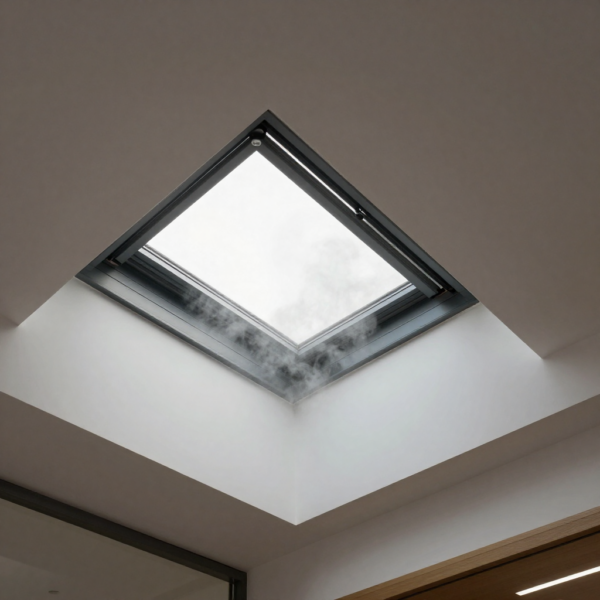
Smart window control systems may be programmed to respond differently depending on the type of emergency. The most critical scenario is fire and smoke management. When smoke detectors activate, designated windows can open automatically to allow smoke and hot gases to escape, helping maintain visibility along evacuation paths.
Another important scenario involves indoor air quality. In densely occupied spaces such as classrooms or offices, CO₂ levels can rise quickly. Automated windows can respond to elevated readings by increasing natural ventilation, helping maintain safe and healthy conditions.
Extreme heat events are also relevant, particularly in buildings with large glazed areas. Automated night purge ventilation can release accumulated heat, protecting both occupants and sensitive equipment. In some facilities, systems also respond to overheating plant rooms or server spaces.
Finally, power failures themselves can create emergency conditions. How the smart window control system behaves during a power outage is a critical design consideration that directly affects safety performance.
How Smart Window Control Systems Detect Emergencies
For automation to work reliably, the system must receive accurate and timely inputs. Most life-safety implementations rely on integration with the building’s fire detection system. When the fire panel enters alarm state, it sends a signal to the window controller, which immediately switches to emergency mode and opens designated vents.
In addition to fire signals, smart window control systems often use environmental sensors to monitor temperature, air quality, humidity, and occupancy levels. These inputs allow more nuanced automated responses during non-fire events.
Manual override devices remain an essential safety layer. Break-glass emergency switches, firefighter control panels, and local wall controls allow authorised personnel to force window operation if needed. A well-designed system balances automatic intelligence with clear manual control pathways.

Emergency Operating Modes Explained
A smart window control system typically operates in multiple modes, with life safety always taking priority.
Under normal conditions, the system runs in comfort ventilation mode. Windows modulate partially based on temperature, CO₂, or scheduling logic. Weather protection sensors such as rain and wind are active to prevent damage.
When the fire alarm triggers, the system shifts into smoke ventilation mode. In this state, designated windows open fully and immediately, and comfort logic is overridden. The goal becomes rapid smoke and heat extraction rather than energy efficiency.
Some facilities also implement security or lockdown modes. However, in compliant designs, life safety commands must always override security settings where required by code. Clear priority logic is essential to avoid conflicting behaviours during emergencies.
Behaviour During Power Failures
Power loss is one of the most critical scenarios for any automated system. If a smart window control system loses mains power and has no backup, actuators typically stop and windows remain in their last position. While this may be acceptable in some residential applications, it is usually insufficient for commercial life-safety designs.
Most professional systems include battery backup units. When mains power fails, the controller automatically switches to battery operation, allowing emergency window functions to remain available. Backup capacity must be carefully sized to meet the building’s fire engineering requirements.
Another key design decision is fail-safe versus fail-secure behaviour. In many smoke ventilation applications, fail-safe design is used, meaning windows automatically open upon power loss. This ensures smoke can still vent even if electrical systems are compromised. The correct approach depends on the building’s fire strategy and regulatory requirements.

Integration with Fire and Building Systems
A smart window control system rarely operates in isolation. Proper integration with the fire alarm system is essential to ensure immediate and reliable emergency response. Signal interfaces must be supervised so that wiring faults are detected and reported.
Integration with the building management system (BMS) provides additional benefits, including central monitoring, fault reporting, and performance analytics. Facility teams can view window status, battery health, and alarm history from a single dashboard.
Advanced buildings also coordinate automated windows with HVAC systems. When windows open for natural ventilation, mechanical cooling may be reduced or paused to prevent energy waste and airflow conflicts. This level of coordination improves both safety and efficiency.
Compliance and Standards Considerations
Regulatory compliance is a critical aspect of emergency window automation. Requirements vary by jurisdiction and building type, but designers typically reference the National Construction Code, relevant electrical standards, fire engineering reports, and manufacturer certifications.
In smoke ventilation applications, systems must meet strict performance and reliability criteria. This often includes supervised wiring, monitored power supplies, defined opening times, and documented testing procedures.
Because requirements can vary significantly between projects, it is important to engage qualified fire engineers and automation specialists early in the design process. Proper documentation and commissioning are essential for approval and ongoing compliance.
Design Best Practices for Emergency Window Automation
Successful implementations follow several proven principles. First, life safety logic must always have highest priority. Emergency commands should override comfort and energy settings instantly and predictably.
Redundant detection paths improve reliability in critical environments. For example, smoke ventilation systems may use both fire panel signals and local smoke sensors. Backup power must be properly sized and regularly tested.
Weather protection is important during normal operation, but rain and wind sensors must not prevent emergency opening when smoke ventilation is required. Manual override points should be clearly labelled and accessible to emergency personnel.
Finally, routine testing and maintenance must be built into the facility’s operational plan. Automated systems only remain reliable when they are inspected and exercised regularly.
How to Choose the Right Smart Window Control System
Selecting the right system requires careful evaluation of both performance and compliance factors. Buyers should first confirm whether the system is certified for smoke ventilation if that function is required. Not all automated window products are suitable for life-safety applications.
Actuator performance is another critical factor. Opening force, stroke length, speed, duty cycle, and weather resistance must match the window size and environmental conditions. Undersized actuators are a common cause of failure.
Integration capability is equally important. The smart window control system should support connection to fire panels, BMS platforms, and environmental sensors. Battery backup quality, supervision features, and low-battery alerts should be verified.
Finally, consider cybersecurity for network-connected systems. As building automation becomes more connected, secure communication and authenticated access are increasingly important.
Conclusion
A smart window control system is no longer just a comfort feature—it is an essential element of modern building safety and resilience. In emergency scenarios, automated windows can significantly improve smoke management, indoor air quality, and occupant protection when properly designed and integrated.
However, these benefits depend heavily on correct system architecture, reliable power backup, clear priority logic, and compliance with relevant standards. Buildings that treat automated windows as purely convenience features may miss critical safety opportunities.
By carefully specifying and maintaining a high-quality smart window control system, building owners and designers can enhance both everyday performance and emergency readiness—creating safer, smarter, and more future-proof facilities.