
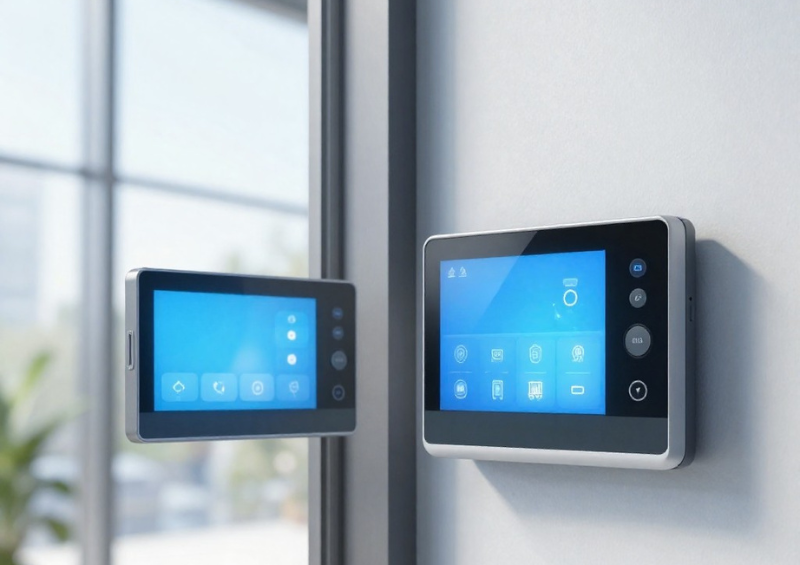
Fire safety, indoor air quality, and intelligent building management are no longer separate concerns. Modern buildings—whether commercial, residential, or industrial—are increasingly designed to respond automatically to emergencies while maintaining comfort and compliance during daily operation. At the center of this shift are Smart Window Control Systems, particularly those designed for Smoke & Heat Ventilation (SHEV).
Smart window control systems play a critical role in life safety by enabling windows and vents to open automatically during a fire, allowing smoke and heat to escape. At the same time, these systems support natural ventilation, energy efficiency, and smart building integration under normal conditions.
This buyer’s guide explains how smart window control systems work for smoke and heat ventilation, why they are essential for modern buildings, and how to choose the right solution based on safety standards, building design, and long-term operational needs.
Understanding Smart Window Control Systems
Smart Window Control Systems are automated solutions that control the opening and closing of windows, vents, or skylights using electric actuators, sensors, and intelligent controllers. Unlike manual window systems, smart systems respond automatically to predefined conditions such as smoke detection, high temperature, CO₂ levels, or commands from a building management system.
In the context of smoke and heat ventilation, smart window control systems are designed to activate immediately during a fire event, opening designated windows or vents to release smoke and hot gases. This improves visibility, reduces toxic exposure, and helps protect occupants while supporting fire-fighting operations.
What Is Smoke & Heat Ventilation and Why It Matters
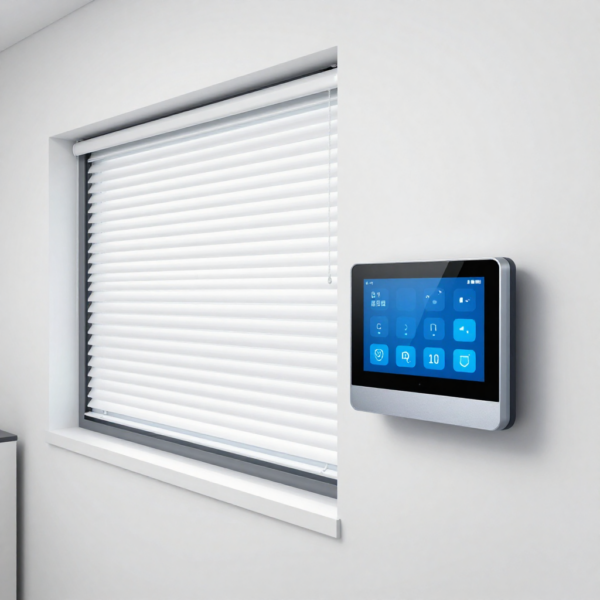
Smoke and heat ventilation refers to the controlled removal of smoke and hot gases from a building during a fire. Smoke, rather than flames, is often the greatest danger to occupants, causing disorientation, respiratory injury, and fatalities.
Smart window control systems contribute to smoke and heat ventilation by:
-
Allowing smoke to escape naturally through openings
-
Reducing heat buildup and structural stress
-
Improving evacuation conditions
-
Supporting compliance with fire safety regulations
Without reliable window control, smoke and heat can accumulate rapidly, compromising escape routes and increasing damage.
The Role of Smart Window Control Systems in Fire Safety Design
Smart window control systems are not standalone devices. They are part of a broader fire safety and life-safety strategy that may include smoke detectors, fire alarm panels, emergency power supplies, and building management systems.
When integrated correctly, these systems ensure that windows open automatically during a fire—even if occupants are unable to act. This automation is critical in large buildings, high-rise structures, and facilities with complex layouts.
In many jurisdictions, automated smoke and heat ventilation systems are mandatory for specific building types, making smart window control systems a compliance-driven investment as well as a safety measure.
How Smart Window Control Systems Work for Smoke & Heat Ventilation
Detection and Triggering
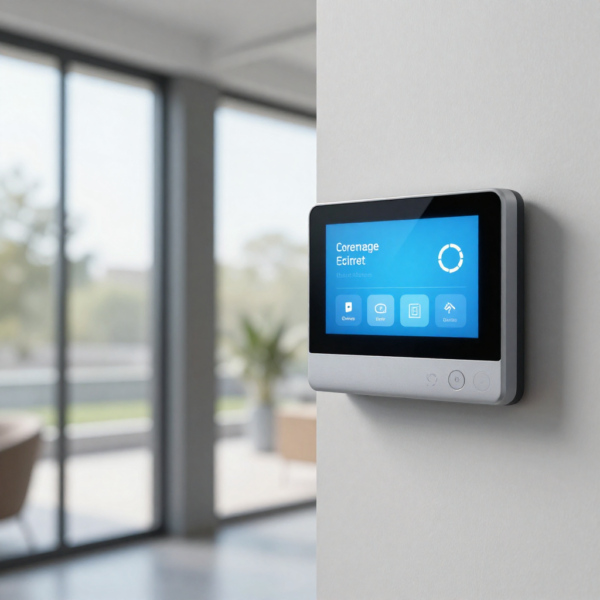
Smart window control systems rely on signals from smoke detectors, heat sensors, or fire alarm systems. Once a fire condition is detected, the system sends a command to open specific windows or vents according to a predefined smoke ventilation strategy.
This process must be fast, reliable, and fail-safe.
Actuation and Vent Opening
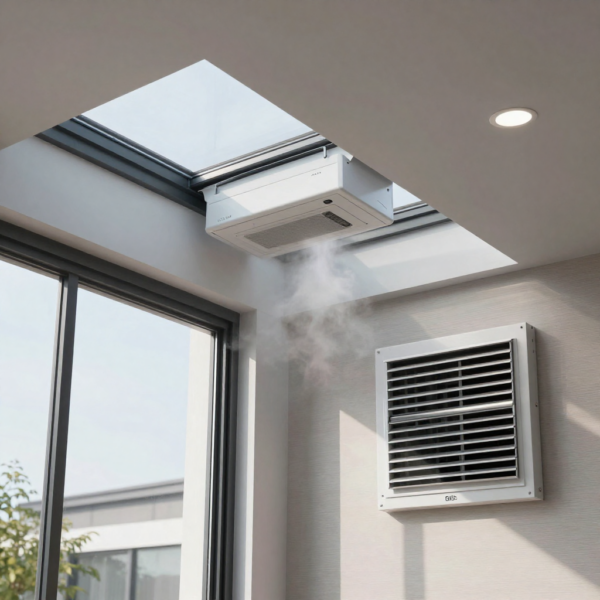
Electric window actuators receive the command and physically open windows to a calculated position. The opening size and sequence are often designed by fire engineers to optimize smoke extraction without compromising structural safety.
High-quality smart window control systems ensure consistent actuation even under extreme heat conditions.
Control Logic and System Coordination
The control unit manages logic such as which windows open, in what order, and for how long. In complex buildings, smart window control systems may coordinate with mechanical exhaust fans, stairwell pressurization systems, and emergency lighting.
This coordination ensures effective smoke movement and occupant safety.
Key Components of Smart Window Control Systems
A reliable smart window control system consists of several integrated components.
Electric window actuators provide the mechanical force needed to open windows or vents automatically. These actuators must be rated for fire-related use and capable of operating under emergency conditions.
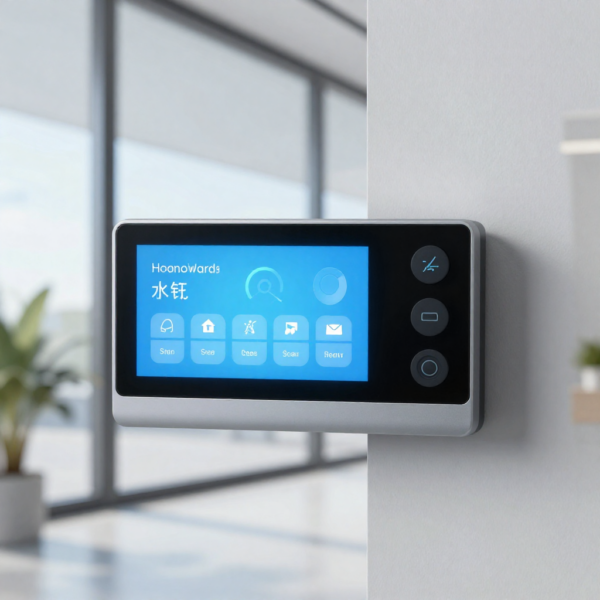
Control panels act as the system’s brain, receiving input from sensors and issuing commands to actuators. For smoke and heat ventilation, these panels often include manual override controls for fire services.
Sensors and interfaces connect the system to smoke detectors, heat detectors, and fire alarm systems. Integration quality directly affects system reliability.
Backup power supplies ensure that smart window control systems function even during power outages, which are common during fire events.
Fail-Safe Design Principles in Smart Window Control Systems
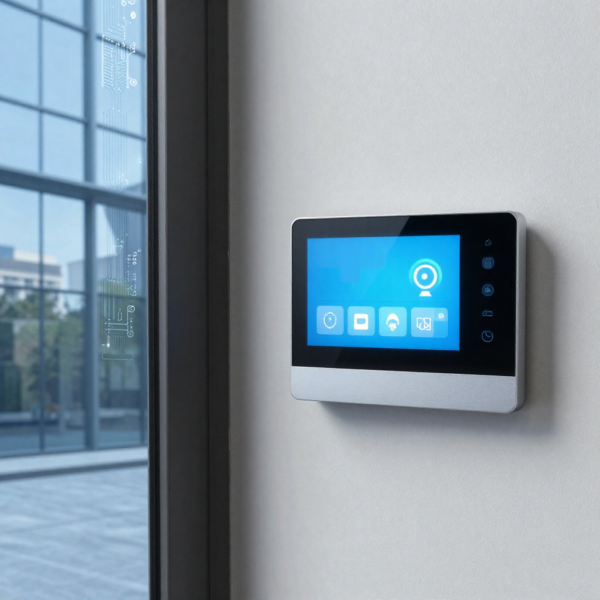
Fail-safe design is a critical requirement for smoke and heat ventilation systems. In a fail-safe smart window control system, any failure—such as power loss, cable damage, or controller malfunction—results in a safe condition.
For smoke ventilation, the safe condition is typically windows opening, not remaining closed.
Fail-safe design ensures that smart window control systems do not depend on perfect operating conditions to protect lives. Buyers should always verify that systems are designed and certified for fail-safe operation.
Smart Window Control Systems vs Manual Ventilation
Manual window opening relies on occupants recognizing danger and acting quickly. In real fire scenarios, this assumption is unreliable due to panic, smoke obscuration, or physical limitations.
Smart window control systems remove human dependency by responding instantly and automatically. They also enable coordinated ventilation strategies that manual systems cannot achieve.
From a buyer’s perspective, automated systems provide superior safety, consistency, and compliance.
Benefits of Smart Window Control Systems Beyond Fire Safety
While smoke and heat ventilation is a primary driver, smart window control systems offer additional benefits during normal operation.
They support natural ventilation by opening windows in response to indoor air quality sensors, reducing reliance on mechanical HVAC systems.
Energy efficiency improves as buildings use fresh air cooling rather than energy-intensive air conditioning.
Occupant comfort increases through better airflow, temperature regulation, and indoor air quality.
For smart buildings, these systems integrate seamlessly into broader automation platforms.
Applications of Smart Window Control Systems
Smart window control systems are used across a wide range of building types.
In commercial offices, they support fire safety compliance while improving daily comfort and energy performance.
In residential buildings and high-rise apartments, they provide automated smoke ventilation for common areas such as corridors and stairwells.
Industrial and warehouse facilities use smart window systems to manage smoke extraction in large open spaces.
Educational and healthcare facilities rely on these systems to protect vulnerable occupants and ensure rapid evacuation conditions.
Buyer’s Guide: How to Choose the Right Smart Window Control Systems
Start With Fire Safety Requirements
The first step is understanding local fire safety codes and standards. Some buildings require certified smoke and heat ventilation systems with specific performance characteristics.
Buyers should consult fire engineers or authorities early to ensure that smart window control systems meet regulatory requirements.
Evaluate System Certification and Compliance
Not all smart window systems are suitable for smoke and heat ventilation. Buyers must ensure that actuators, controllers, and power supplies are certified for fire-related use.
Compliance with recognized standards is essential for approval, insurance, and liability protection.
Assess Building Design and Ventilation Strategy
The effectiveness of smart window systems depends on building geometry, window placement, and ventilation design.
Large or complex buildings may require zoned control, multiple actuators, and integration with mechanical systems.
Buyers should prioritize solutions that support flexible configuration and future adjustments.
Consider Integration With Other Systems
Smart window systems should integrate with fire alarm systems, building management systems, and smart automation platforms.
Integration ensures centralized monitoring, simplified maintenance, and coordinated emergency response.
Prioritize Reliability and Maintenance Support
Fire safety systems must work when needed, often after years of inactivity. Buyers should choose smart window control systems from reputable suppliers with proven reliability and long-term support.
Maintenance access, diagnostics, and testing features are also important considerations.
Common Mistakes When Buying Smart Window Control Systems
One common mistake is selecting general-purpose window automation products that are not designed for smoke and heat ventilation.
Another is underestimating the importance of fail-safe power supplies and backup systems.
Some buyers focus only on upfront cost, ignoring long-term maintenance, certification, and system lifecycle considerations.
Smart window control systems are safety-critical investments and should be treated accordingly.
Cost Considerations for Smart Window Control Systems
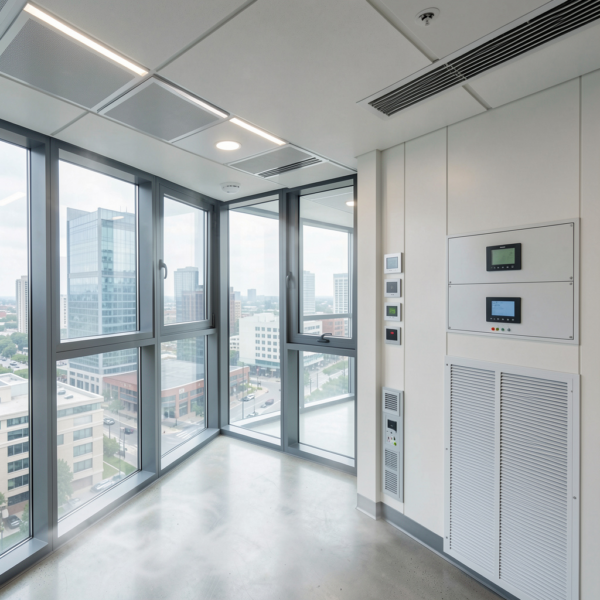
The cost of smart window control systems varies based on building size, number of windows, actuator type, control complexity, and certification requirements.
While systems designed for smoke and heat ventilation may cost more than basic automation, the investment reflects higher safety standards, redundancy, and reliability.
From a total cost of ownership perspective, smart window systems deliver long-term value by reducing risk, improving compliance, and supporting energy efficiency.
Installation, Testing, and Commissioning
Proper installation is essential for system performance. Smart window control systems must be installed according to manufacturer guidelines and fire engineering plans.
Commissioning includes functional testing, simulated fire scenarios, and verification of fail-safe behavior.
Buyers should ensure that installers are trained and experienced in smoke and heat ventilation systems, not just general automation.
Maintenance and Lifecycle Management
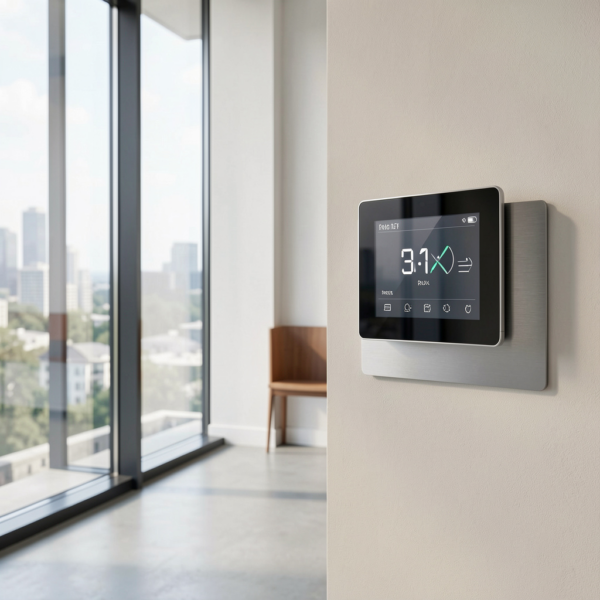
Smart window systems require regular inspection and testing to ensure readiness. Maintenance programs typically include actuator testing, control panel checks, and backup power verification.
Clear documentation and maintenance procedures are essential for ongoing compliance and safety assurance.
For a deeper technical overview and use cases, 👉 read our guide to smart window automation systems.
Future Trends in Smart Window Control Systems
Advancements in smart window systems are driven by integration, intelligence, and sustainability.
Future systems will increasingly combine fire safety functions with environmental control, predictive maintenance, and data analytics.
Integration with smart building platforms will allow building managers to monitor system health remotely and respond proactively to faults.
Despite technological advances, the core purpose remains unchanged: protecting lives through reliable smoke and heat ventilation.
Final Thoughts: Why Smart Window Control Systems Are a Critical Investment
Smart Window Control Systems for smoke and heat ventilation are not optional upgrades—they are essential life-safety systems. They protect occupants, support fire-fighting efforts, and ensure regulatory compliance while delivering everyday benefits such as improved air quality and energy efficiency.
For buyers, the right smart window control system balances safety, reliability, integration, and long-term value. By understanding how these systems work and what to look for, decision-makers can invest with confidence.