Smart automation is no longer a future concept—it is a present-day requirement for modern buildings, facilities, and enterprises. From energy management and security to lighting, HVAC, and operational workflows, Smart Automation Solutions are transforming how organisations operate, scale, and remain competitive.
However, one of the most critical decisions buyers face is choosing between centralised and distributed smart automation systems. While both approaches aim to improve efficiency, control, and intelligence, they differ significantly in architecture, scalability, resilience, cost, and long-term flexibility.
This buyer’s guide explores centralised vs distributed smart automation systems in depth, helping decision-makers understand how each model works, their advantages and limitations, and how to choose the right smart automation solution based on business needs, risk tolerance, and growth plans.
Understanding Smart Automation Solutions
Smart Automation Solutions refer to integrated systems that use sensors, controllers, software, and connectivity to automate processes and decision-making across buildings, facilities, or operations. These solutions collect real-time data, apply logic or rules, and trigger actions automatically—often with minimal human intervention.
Smart systems are commonly used for:
-
Building management systems (BMS)
-
Energy and sustainability optimisation
-
Access control and security automation
-
Lighting and HVAC control
-
Industrial and operational automation
-
Smart homes and smart cities
At the architectural level, these solutions are typically implemented using either a centralised or distributed control model.
What Is a Centralised Smart Automation System?
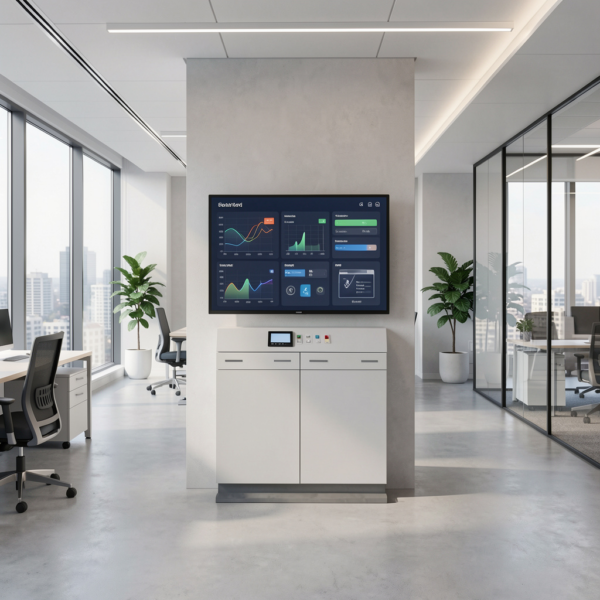
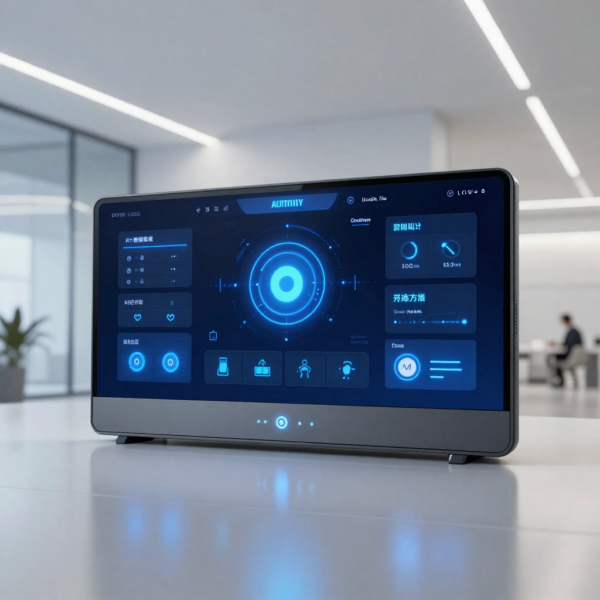
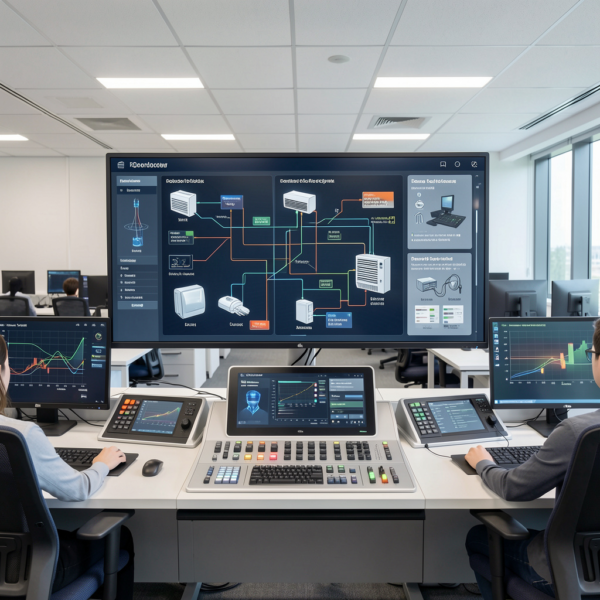
A centralised smart automation system relies on a single, central controller or server that manages all connected devices, sensors, and subsystems. Data is collected from endpoints and processed at the central level, where decisions are made and commands are issued.
In this model, intelligence is concentrated in one place.
Centralised smart systems are often used in traditional building management systems, enterprise control rooms, and environments where tight oversight and uniform policy enforcement are required.
Centralised systems are defined by:
-
A single control hub or server
-
Centralised data processing and decision-making
-
Unified configuration and management
-
Strong dependency on the central controller
This architecture offers simplicity and consistency but introduces certain risks and limitations that buyers must consider.
What Is a Distributed Smart Automation System?
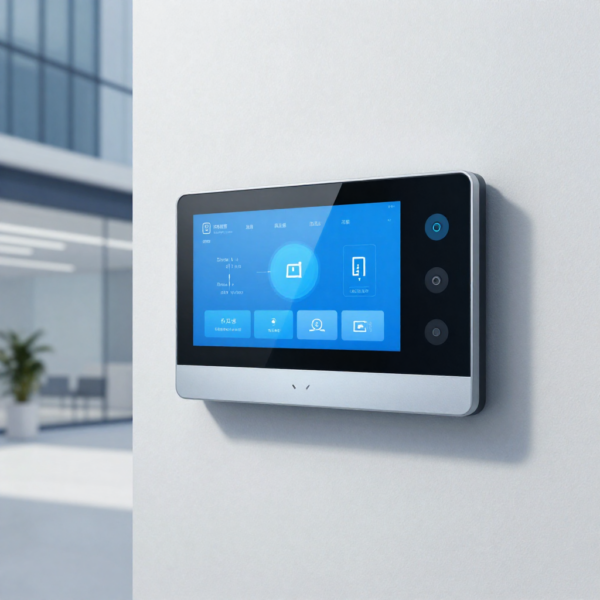
A distributed smart automation system spreads intelligence across multiple controllers or nodes. Instead of relying on a single central brain, each subsystem or device can make decisions locally while still communicating with other components or a supervisory platform.
Distributed smart systems are increasingly popular in modern, scalable environments such as smart buildings, industrial automation, and IoT-driven ecosystems.
Distributed systems typically feature:
-
Multiple autonomous controllers or edge devices
-
Local decision-making capabilities
-
Peer-to-peer or networked communication
-
Reduced dependency on a single point of control
This architecture prioritises resilience, scalability, and flexibility.
Why Architecture Matters in Smart Automation Solutions
The architectural choice between centralised and distributed smart automation solutions directly affects system reliability, performance, scalability, and long-term cost.
A poorly chosen architecture can lead to:
-
System downtime and operational risk
-
Limited scalability as requirements grow
-
High maintenance and upgrade costs
-
Reduced resilience to failures or cyber threats
Understanding these trade-offs is essential before investing in smart automation solutions.
Centralised Smart Automation Solutions: Advantages
Simplified System Management
One of the strongest advantages of centralised smart automation solutions is ease of management. All configurations, rules, and updates are handled from a single interface, making administration straightforward—especially for smaller or less complex environments.
For buyers with limited technical resources, centralised control can reduce operational complexity.
Consistent Policy Enforcement
Centralised systems ensure uniform application of automation rules and policies. This is particularly valuable in environments where consistency is critical, such as regulated facilities or enterprise campuses.
Smart automation solutions built on centralised architectures make it easier to enforce standards across all connected systems.
Lower Initial Complexity
Centralised smart automation systems are often easier to design and deploy initially. With fewer controllers and simpler networking requirements, installation can be faster and more predictable.
This makes centralised solutions appealing for projects with tight timelines or limited scope.
Centralised Smart Automation Solutions: Limitations
Single Point of Failure
The most significant drawback of centralised smart systems is the reliance on a single controller. If the central system fails—due to hardware faults, software issues, or cyberattacks—automation across the entire environment may stop.
For mission-critical applications, this risk can be unacceptable.
Limited Scalability
As systems grow, centralised architectures can struggle to scale efficiently. Adding more devices increases load on the central controller, potentially affecting performance and responsiveness.
Buyers planning long-term expansion must consider whether a centralised smart automation solution can keep pace.
Reduced Local Autonomy
In centralised systems, endpoints rely on instructions from the central controller. If connectivity is lost, local devices may not function as intended, reducing system resilience.
Distributed Smart Automation Solutions: Advantages
Enhanced Reliability and Resilience
Distributed smart automation solutions eliminate single points of failure by design. Each controller or node can continue operating independently even if other parts of the system fail.
This resilience is especially valuable in large facilities, critical infrastructure, and environments where downtime is costly.
Superior Scalability
Distributed architectures scale naturally. New devices or subsystems can be added without overloading a central controller, making distributed smart automation solutions ideal for growing organisations.
This scalability supports phased expansion and future-proofing.
Faster Local Response Times
Because decisions are made closer to the source of data, distributed smart systems offer faster response times. This is critical for real-time applications such as safety systems, industrial automation, and energy optimisation.
Flexibility and Modularity
Distributed systems are inherently modular. Subsystems can be upgraded, replaced, or reconfigured independently, reducing disruption and long-term costs.
Distributed Smart Automation Solutions: Challenges
Higher Design Complexity
Distributed smart automation solutions require careful planning and system design. Coordinating multiple controllers and ensuring consistent communication can be more complex than deploying a centralised system.
Buyers may need experienced integrators to implement distributed architectures effectively.
Increased Initial Costs
While distributed systems often deliver better long-term value, initial costs may be higher due to additional hardware and configuration requirements.
However, these costs are frequently offset by reduced downtime and improved scalability.
Governance and Oversight Requirements
Distributed smart systems require robust governance frameworks to ensure consistency, security, and visibility across all nodes.
Central dashboards and monitoring tools are often used to maintain oversight without sacrificing autonomy.
Comparing Centralised vs Distributed Smart Automation Solutions in Real-World Use
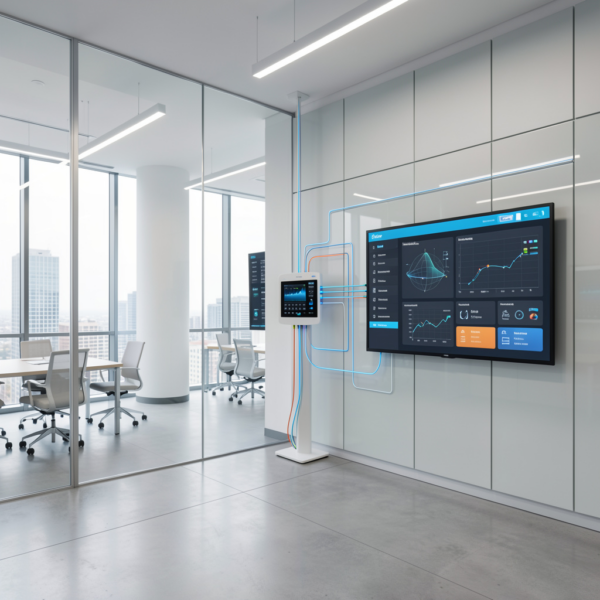
In practice, many modern smart automation solutions adopt hybrid architectures, combining centralised management with distributed control.
For example, a central platform may provide monitoring, analytics, and reporting, while distributed controllers handle real-time decisions locally. This hybrid approach offers a balance between oversight and resilience.
Buyers should evaluate whether a fully centralised, fully distributed, or hybrid smart automation solution best aligns with their needs.
Key Use Cases for Centralised Smart Automation Solutions
Centralised architectures are well-suited for:
-
Small to medium buildings with limited complexity
-
Environments requiring strict central control
-
Projects with minimal expansion plans
-
Organisations with limited IT resources
In these scenarios, centralised smart systems provide simplicity and cost-effective control.
Key Use Cases for Distributed Smart Automation Solutions
Distributed architectures excel in:
-
Large or multi-site facilities
-
Mission-critical operations
-
Environments requiring high uptime
-
Rapidly growing or evolving organisations
For these use cases, distributed smart systems deliver resilience and long-term flexibility.
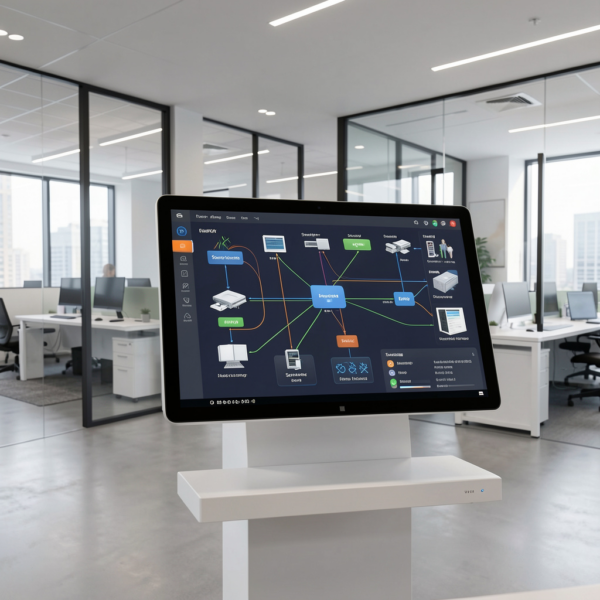
Buyer’s Guide: How to Choose the Right Smart Automation Solution
Assess Operational Criticality
If system downtime could cause safety risks, financial loss, or regulatory issues, distributed smart systems are typically the better choice.
Evaluate Scalability Needs
Buyers planning expansion should prioritise architectures that scale easily. Distributed smart systems are inherently more scalable.
Consider Maintenance and Support Capabilities
Centralised systems may be easier to maintain for smaller teams, while distributed systems require more sophisticated monitoring and support strategies.
Analyse Long-Term Total Cost of Ownership
Initial cost should not be the sole decision factor. Smart systems must be evaluated based on long-term maintenance, upgrades, and operational efficiency.
Prioritise Cybersecurity and Resilience
Distributed architectures often reduce systemic risk but require consistent security policies across nodes. Buyers should ensure that their smart systems support robust security practices.
Common Mistakes When Selecting Smart Systems
One common mistake is choosing centralised systems purely based on lower upfront cost without considering future growth. Another is deploying distributed systems without proper planning, leading to fragmentation and management challenges.
Failing to align system architecture with business strategy often results in underperforming smart automation solutions.
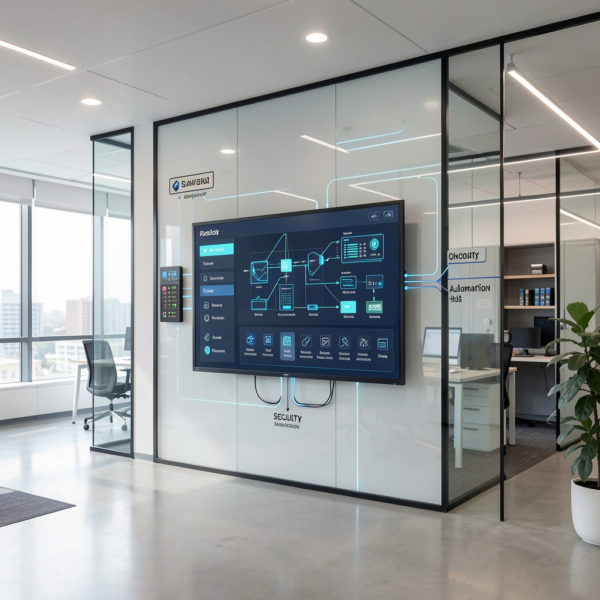
Future Trends in Smart Automation Architecture
The future of smart automation systems is increasingly distributed and edge-driven. Advances in IoT, AI, and edge computing are pushing intelligence closer to devices, reducing reliance on central controllers.
At the same time, cloud platforms are evolving to provide central visibility without reintroducing single points of failure. This trend reinforces the shift toward hybrid smart automation architectures.
Final Thoughts: Making the Right Choice
Choosing between centralised and distributed architectures is one of the most important decisions when investing in Smart Automation Solutions. There is no universal answer—only the right choice for your specific operational, technical, and strategic requirements.
Centralised smart systems offer simplicity and control, while distributed smart automation solutions provide resilience, scalability, and future-proofing. By understanding these differences and aligning them with your goals, you can invest in a smart automation solution that delivers lasting value.