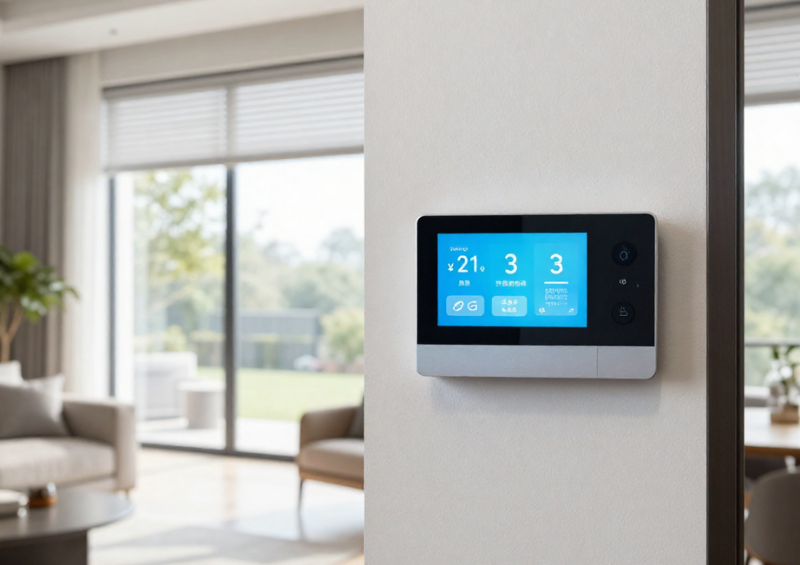
Peak summer has become the most demanding period of the year for residential energy consumption. Rising global temperatures, longer heatwaves, and increasingly unpredictable weather patterns have made cooling a daily necessity rather than an occasional comfort. For most households, this translates into air conditioners running for extended hours, higher electricity bills, and growing concern about both cost and sustainability.
In this environment, smart home automation is no longer just a lifestyle upgrade. It is a practical, measurable, and scalable approach to controlling energy use during the hottest months of the year. When implemented correctly, smart automation solutions allow homes to respond intelligently to heat, occupancy, sunlight, and energy demand—dramatically reducing waste while maintaining comfort.
This how-to guide explains, step by step, how smart home automation saves energy during peak summer, and how homeowners can apply automation principles in a structured and effective way.
Understanding Why Summer Energy Waste Happens
Before any automation can be effective, it is essential to understand why homes consume so much energy during summer in the first place. The primary reason is simple: cooling systems are reactive rather than intelligent in most homes. Air conditioners are typically set to a fixed temperature and left running regardless of whether rooms are occupied, whether outdoor temperatures fluctuate, or whether natural cooling opportunities exist.
In addition to cooling, other contributors quietly increase summer energy usage. Lighting generates heat, appliances release warm air, and sunlight entering through windows raises indoor temperatures significantly. When these factors combine, air conditioning systems are forced to work harder and longer, creating a cycle of inefficiency.
Traditional homes rely heavily on human behavior to manage this complexity. People are expected to remember to adjust thermostats, close blinds, turn off lights, and schedule appliances. In reality, this rarely happens consistently. Smart home automation removes this dependency on manual control, replacing it with systems that adapt automatically.
Discover how home automation helps lower energy costs in everyday living
Step One: Establish Intelligent Temperature Control
The most impactful place to begin with smart home automation is temperature management. Cooling typically accounts for the largest share of summer energy consumption, so even small improvements here deliver substantial savings.
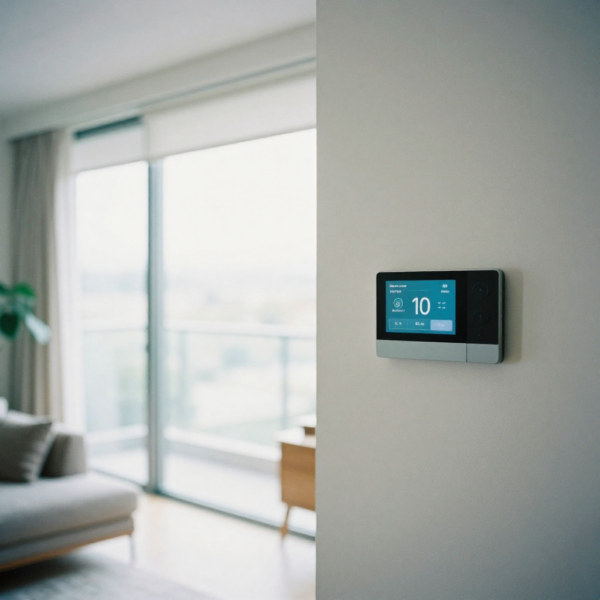
A smart thermostat acts as the brain of summer energy efficiency. Unlike conventional thermostats, smart thermostats do not operate on static settings. They learn household routines, detect occupancy, monitor indoor and outdoor temperatures, and adjust cooling behavior accordingly. Over time, the system develops a pattern that balances comfort with efficiency.
During peak summer, smart thermostats reduce energy use by avoiding unnecessary cooling. If the home is empty during the day, the system allows temperatures to rise slightly instead of maintaining full cooling. When occupants return, cooling is restored gradually and efficiently rather than abruptly. This alone can reduce cooling energy consumption by a noticeable margin without affecting comfort.
What makes this approach especially powerful is consistency. Smart home automation applies these adjustments every day, without reliance on memory or habit.
Step Two: Implement Zoned Cooling for Targeted Comfort
One of the most common inefficiencies in summer is cooling the entire house when only certain rooms are being used. In many homes, air conditioning systems treat all spaces equally, regardless of occupancy or purpose.
Smart automation solutions enable zoned cooling, which allows different areas of the home to be cooled independently. Bedrooms can remain cool at night, living areas during the day, and unused rooms can receive minimal or no cooling at all.
Zoned cooling works by combining smart thermostats, room sensors, and intelligent HVAC controls. Each zone responds to its own conditions rather than following a single temperature setting for the entire home. This reduces wasted energy and improves comfort at the same time.
During peak summer, zoned cooling significantly lowers the workload placed on HVAC systems. Instead of pushing maximum output across the entire home, the system delivers cooling precisely where it is needed.
Step Three: Use Occupancy-Based Automation to Eliminate Waste
One of the most powerful features of smart home automation is occupancy awareness. Cooling an empty home or an unused room is one of the largest sources of unnecessary summer energy consumption.
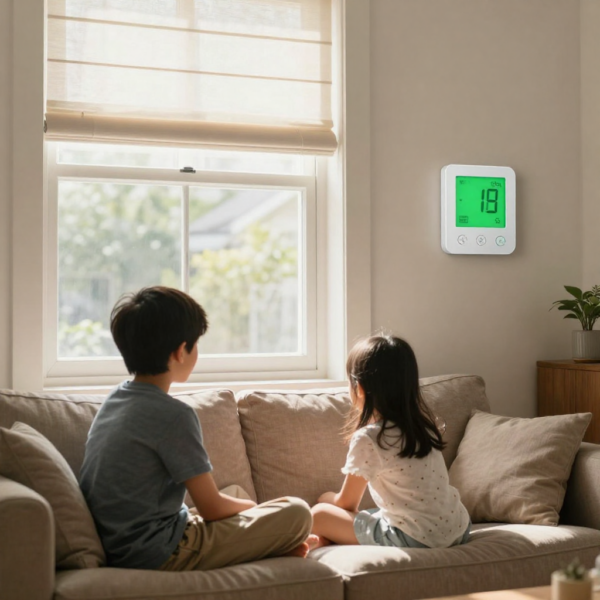
Modern smart automation solutions use motion sensors, presence detection, and even smartphone location data to determine whether people are home. When no occupancy is detected, the system automatically reduces cooling output. When occupants return, comfort levels are restored without manual intervention.
This approach ensures that energy is never spent maintaining comfort for spaces that are not in use. Over an entire summer, occupancy-based automation can eliminate a significant portion of wasted cooling time, especially for households where residents are away during working hours.
The key advantage here is reliability. Automation does not forget, does not rely on discipline, and does not require constant adjustment.
Step Four: Control Solar Heat Before It Enters the Home
Sunlight is one of the most underestimated contributors to summer heat gain. Direct sunlight entering through windows can raise indoor temperatures dramatically, forcing cooling systems to compensate.
Smart home automation addresses this problem through automated blinds and curtains. These systems adjust based on time of day, sun position, outdoor temperature, and indoor conditions. During peak sunlight hours, blinds close automatically to block heat. In the evening, they can open to allow natural cooling and light.
This proactive approach prevents heat buildup rather than reacting to it after the fact. By reducing solar heat gain early, smart automation solutions lower the overall cooling demand of the home.
Over time, automated shading not only reduces energy consumption but also protects interior furnishings from UV damage and enhances indoor comfort during extreme heat.
Step Five: Reduce Internal Heat with Smart Lighting
Lighting contributes to summer energy waste in two ways: through electricity consumption and heat generation. Traditional lighting technologies convert a large portion of energy into heat, which increases indoor temperatures and adds to the cooling load.
Smart lighting systems use energy-efficient LED technology and intelligent controls to address both issues. Lights automatically turn off in empty rooms, dim when natural daylight is sufficient, and operate only when needed.
By reducing unnecessary lighting and minimizing heat output, smart lighting supports cooling efficiency indirectly. This compounding effect is particularly valuable during long summer days when lights may otherwise remain on for extended periods.
Step Six: Schedule Appliances to Avoid Peak Summer Load
Household appliances are another hidden source of summer energy inefficiency. Dishwashers, washing machines, dryers, and water heaters generate heat and consume large amounts of electricity when operating.
Smart home automation allows appliances to be scheduled strategically, shifting their operation to cooler hours or off-peak pricing periods. Instead of running during the hottest part of the day, appliances can operate at night or early morning when both indoor temperatures and electricity demand are lower.
This reduces peak energy load, limits indoor heat buildup, and lowers energy costs during the most expensive hours of the day.
Step Seven: Monitor Energy Usage in Real Time
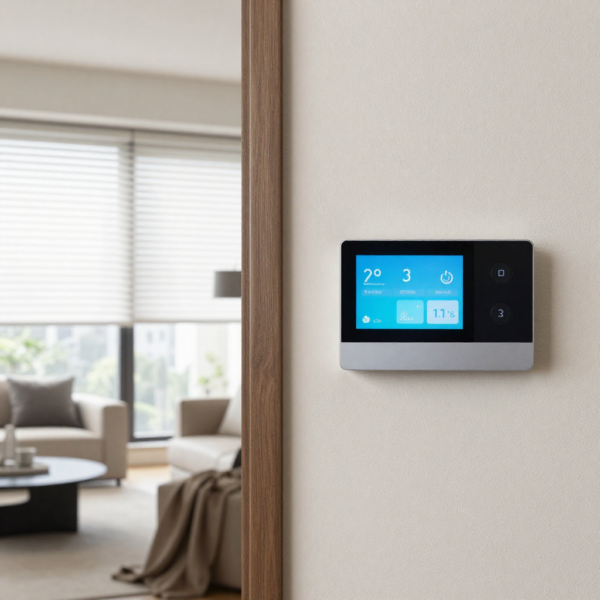
One of the most transformative aspects of smart automation solutions is visibility. Traditional homes provide little insight into how energy is used, making optimization difficult.
Smart home automation systems provide real-time energy monitoring, showing exactly how much electricity is being consumed and where. This information allows homeowners to identify inefficiencies, adjust automation rules, and make informed decisions about energy use.
During peak summer, energy monitoring becomes a powerful feedback tool. Homeowners can see the direct impact of automation settings and refine them to achieve maximum savings.
Step Eight: Integrate Renewable Energy with Smart Automation
Summer is also the most productive season for solar energy. Homes equipped with solar panels benefit even more from smart home automation.
Smart automation solutions coordinate energy usage with solar production, ensuring that cooling and appliances operate when renewable energy is available. Excess energy can be stored in batteries for evening use, reducing reliance on the grid during peak demand hours.
This integration transforms the home into an intelligent energy ecosystem, balancing comfort, cost, and sustainability automatically.
Step Nine: Optimize Nighttime Cooling Strategies
Smart home automation does not focus solely on daytime efficiency. Nighttime cooling strategies are equally important during summer.
When outdoor temperatures drop at night, smart systems can reduce air conditioning output, increase natural ventilation, or pre-cool the home for the next day. These adjustments reduce energy use while maintaining comfort during sleep.
Nighttime optimization prepares the home to handle the following day’s heat more efficiently.
Step Ten: Continuously Refine Automation for Summer Conditions
The final step in maximizing summer energy savings is refinement. Smart home automation is not a one-time setup but an adaptive system.
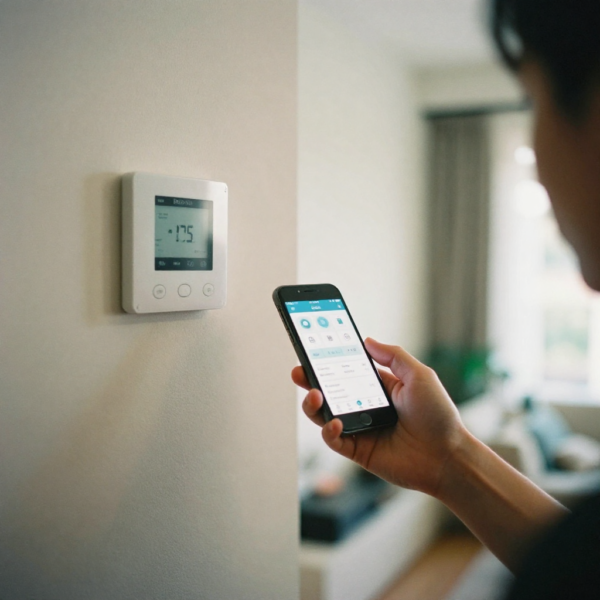
Seasonal adjustments, occupancy changes, and weather patterns all influence energy needs. Smart automation solutions allow homeowners to fine-tune settings over time, ensuring optimal performance throughout the summer.
This continuous optimization is what separates true automation from simple remote control.
Conclusion: Turning Peak Summer into Peak Efficiency
Peak summer no longer has to mean peak energy waste. With the right approach, smart home automation transforms how homes respond to heat, occupancy, and energy demand.
By implementing intelligent smart automation solutions step by step—starting with cooling, expanding to shading, lighting, appliances, and monitoring—homeowners can significantly reduce energy consumption during the hottest months of the year.
The result is a home that stays comfortable, operates efficiently, and adapts automatically to summer conditions. In a world of rising temperatures and energy costs, smart home automation is not just a convenience—it is a long-term strategy for resilience, savings, and sustainable living.
Save more this summer with energy-efficient smart home automation. Let’s join!